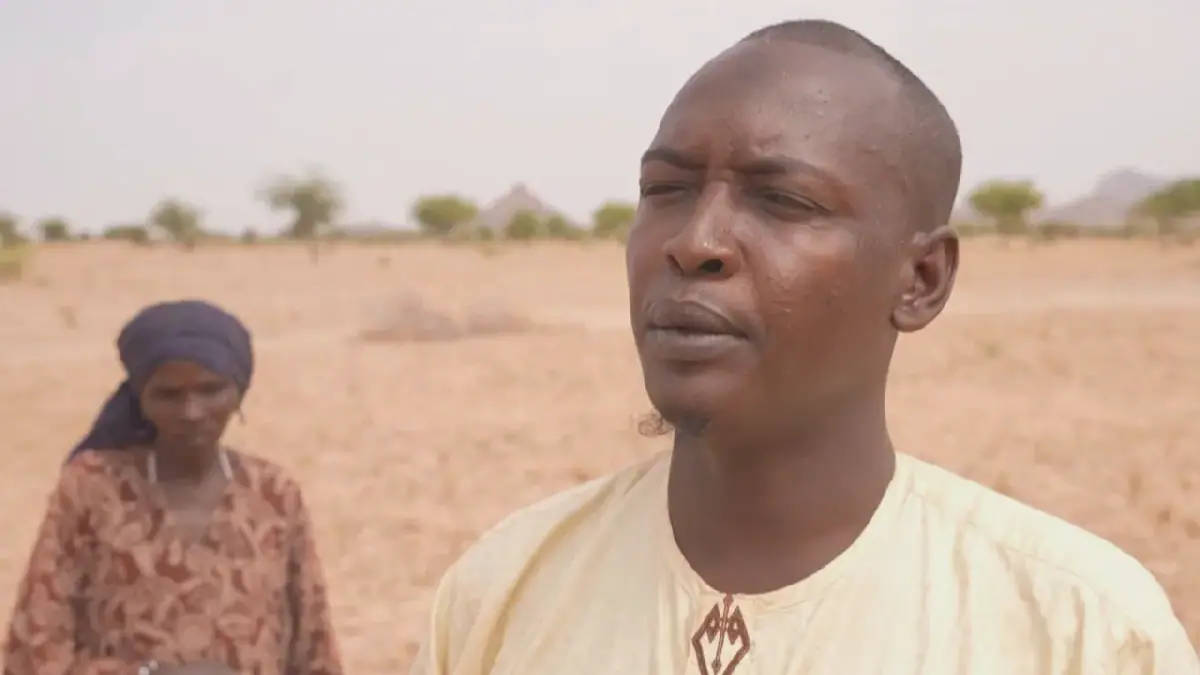
The drought affecting Chad has reached critical levels, particularly in the Wadi Fira region, one of the two areas most severely impacted. Located just a few kilometres outside Biltine, the regional capital, the effects of the drought are starkly evident. Farmers in the area are taking stock of their losses, which are substantial. The situation is dire, with crops withering and livestock struggling to find food and water.
The drought in Chad has significant implications for the country's agricultural sector. Farmers rely heavily on rainfall to irrigate their crops, and with the drought persisting, many are facing financial ruin. The impact is not limited to farmers alone, as the drought also affects the broader community. Food security is a growing concern, with many families struggling to access basic necessities.
According to reports, the drought in Chad is having far-reaching consequences. The country's economy is heavily reliant on agriculture, and the drought is likely to have a significant impact on economic growth. Furthermore, the drought is exacerbating existing social and environmental challenges, creating a complex crisis that requires a comprehensive response.
The international community has expressed concern about the drought in Chad. Humanitarian organizations are working to provide assistance to affected communities, but the scale of the crisis is substantial. The situation requires sustained support to mitigate the effects of the drought and help communities recover.
In response to the drought, the Chadian government is working to develop strategies to support affected communities. This includes providing emergency assistance, such as food and water, as well as longer-term solutions to address the root causes of the drought. The government is also working with international partners to develop sustainable agricultural practices and improve resilience to climate-related shocks.
The drought in Chad highlights the need for climate-resilient agriculture. The country's farmers require support to adopt new practices and technologies that can help them adapt to changing weather patterns. This includes investing in irrigation systems, drought-resistant crops, and other climate-resilient agricultural practices.
As the drought in Chad continues to worsen, the humanitarian situation is likely to deteriorate. The international community must remain engaged and provide sustained support to affected communities. This includes providing emergency assistance, as well as longer-term support to help communities recover and rebuild.
Key points
- The drought in Chad is affecting the country's agricultural sector, with significant implications for food security and economic growth.
- The international community has expressed concern about the drought in Chad and is working to provide assistance to affected communities.
- The Chadian government is working to develop strategies to support affected communities, including providing emergency assistance and longer-term solutions to address the root causes of the drought.