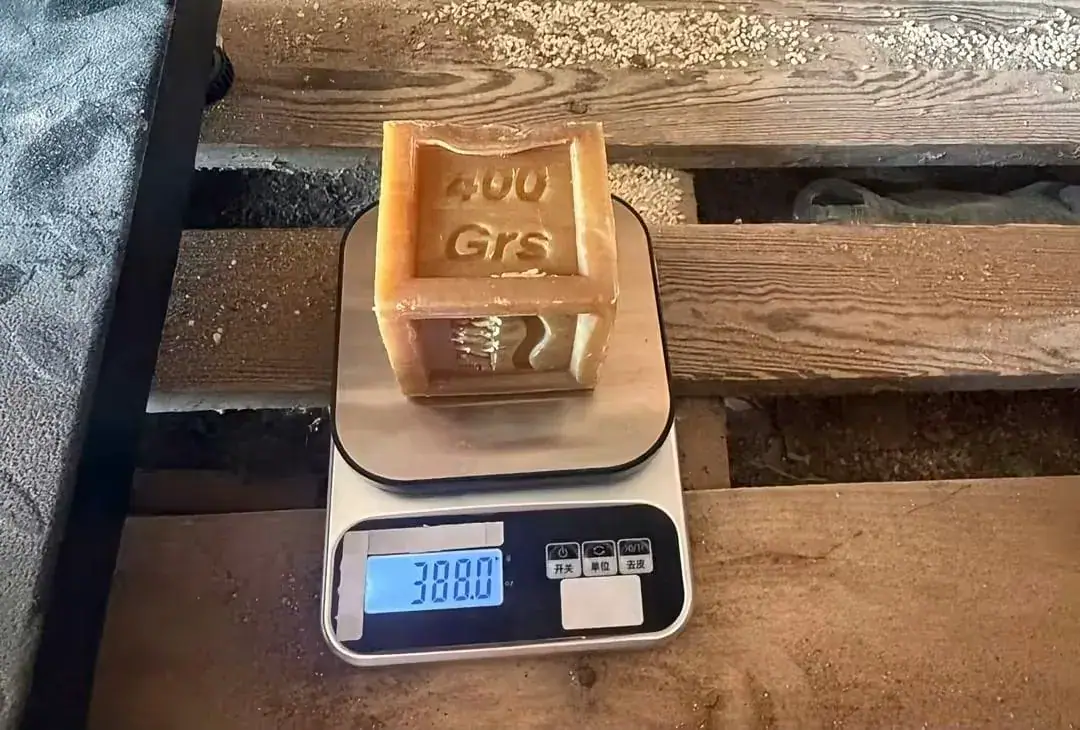
The Chadian National Agency for Standardization (ATNOR) recently conducted metrological control operations in storage facilities and production units, uncovering weight discrepancies in several products. The products inspected included construction materials, cleaning products, and food items for human and animal consumption. These operations aimed to ensure compliance with weight and measurement standards. Inspectors found irregularities in certain batches of rice, cakes, soap balls, and cement at a production unit.
The discovery of these weight discrepancies has raised questions about the responsibility of suppliers, traders, and economic operators in ensuring that products meet the quantities stated on their packaging. The sale of products with weights that do not match the advertised weight can harm consumers and undermine the transparency of commercial transactions. Economic operators are required to verify the conformity of the products they market, particularly by ensuring the reliability of the quantities sold.
This responsibility applies to both production units and storage and distribution channels. Inspectors also noted that the irregularities found are being technically and regulatory monitored by competent services, in accordance with current regulations, particularly by ATNOR. The issue of respect for weights and measures remains a challenge for consumer protection and fair trade practices.
The Chadian consumer, already facing a high cost of living, cannot afford to bear such prejudice. The ATNOR operations are critical in ensuring that traders adhere to standards that protect consumers from unfair practices. The agency's efforts are geared towards fostering a fair market environment where products meet stated standards.
Consumer protection remains a priority for regulatory agencies in Chad. The government has emphasized the need for vigilance in monitoring products in the market. This includes rigorous enforcement of standards to prevent traders from exploiting consumers through false advertising and inaccurate measurements.
The recent inspections and subsequent actions by ATNOR demonstrate the government's commitment to addressing these issues. By holding traders and producers accountable, the authorities aim to enhance market transparency and consumer trust. This move is expected to contribute to a more equitable market environment.
Going forward, it is essential for all stakeholders in the supply chain to adhere strictly to the regulations and standards set forth by ATNOR and other relevant agencies. This collective responsibility will help in safeguarding consumer interests and promoting fair trade practices across Chad.
Key points
- The Chadian National Agency for Standardization (ATNOR) found weight discrepancies in various products, including food items and construction materials.
- The irregularities have raised concerns about trader accountability and the need for strict adherence to product weight standards.
- The issue highlights the importance of consumer protection and fair trade practices in Chad.