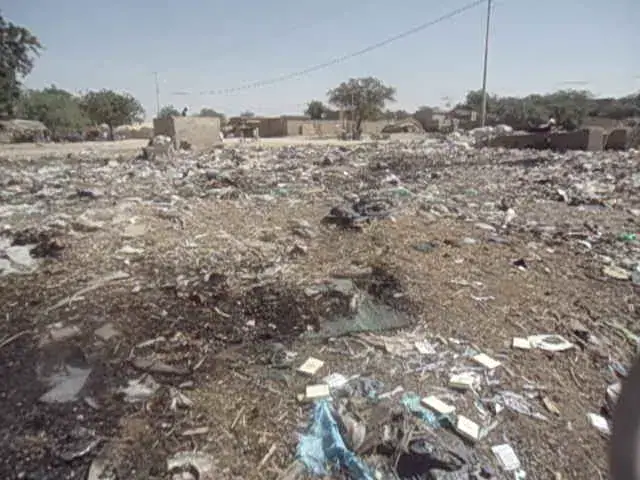
A recent report by the United Nations Children's Fund (UNICEF) has painted a concerning picture of the water, sanitation, and hygiene situation in Chad. The report, which outlines the country's program for 2027-2030, reveals that 62.2% of the population still practices open defecation. This issue is more pronounced in rural areas, where 77.6% of the population is affected. The report cites data from the 2019 MICS6-Tchad survey, which highlights significant disparities between urban and rural areas.
The lack of access to improved sanitation facilities is a significant challenge in Chad. According to the report, only 16.1% of households have access to such facilities. The situation is particularly dire in rural areas, where 77.6% of the population practices open defecation. The report also notes that the country's water, sanitation, and hygiene infrastructure is struggling to keep up with the rapidly growing population. The UNICEF report was submitted to the organization's Board of Directors during its second ordinary session, held from September 1-4, 2026.
The report also highlights significant shortcomings in access to safe drinking water. Only 52.1% of households use basic drinking water services, and a staggering 86.1% consume water contaminated with Escherichia coli (E. coli). Furthermore, over 93% of households do not treat their water before consumption, exposing them to health risks. The situation is particularly concerning for children, who are vulnerable to water-borne diseases and other health issues related to poor sanitation and hygiene.
The impact of poor sanitation and hygiene extends beyond households to schools. The report estimates that nearly 5.5 million school-age children lack access to safe water, sanitation, and hygiene facilities in their schools. Women and girls are also disproportionately affected, as they bear the brunt of water collection and are thus burdened with additional responsibilities in communities with limited infrastructure.
Several factors contribute to Chad's sanitation and hygiene challenges, including rapid population growth, vulnerability to climate change, repeated floods, droughts, and underinvestment in infrastructure. Governance issues and a lack of maintenance of existing facilities also exacerbate the problem. The UNICEF report emphasizes the need for urgent action to address these challenges and improve access to essential services.
The report highlights the importance of addressing these issues to prevent health risks, particularly for children. Water-borne diseases and poor hygiene can have long-term consequences for health, development, and learning outcomes. The situation is further complicated by the fact that many communities rely on contaminated water sources, which can have devastating effects on public health.
To address these challenges, the UNICEF report calls for increased investment in water, sanitation, and hygiene infrastructure, as well as improved governance and maintenance of existing facilities. The organization emphasizes the need for a comprehensive approach that takes into account the complex interplay of factors contributing to Chad's sanitation and hygiene crisis.
Key points
- 62.2% of Chad's population practices open defecation
- Only 16.1% of households have access to improved sanitation facilities
- 86.1% of households consume water contaminated with E. coli