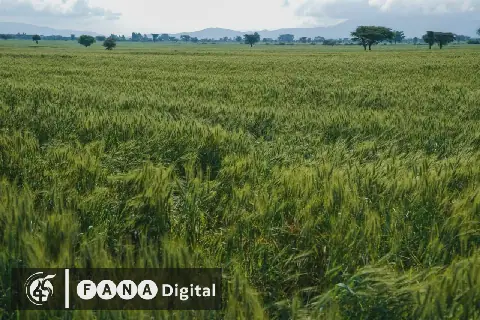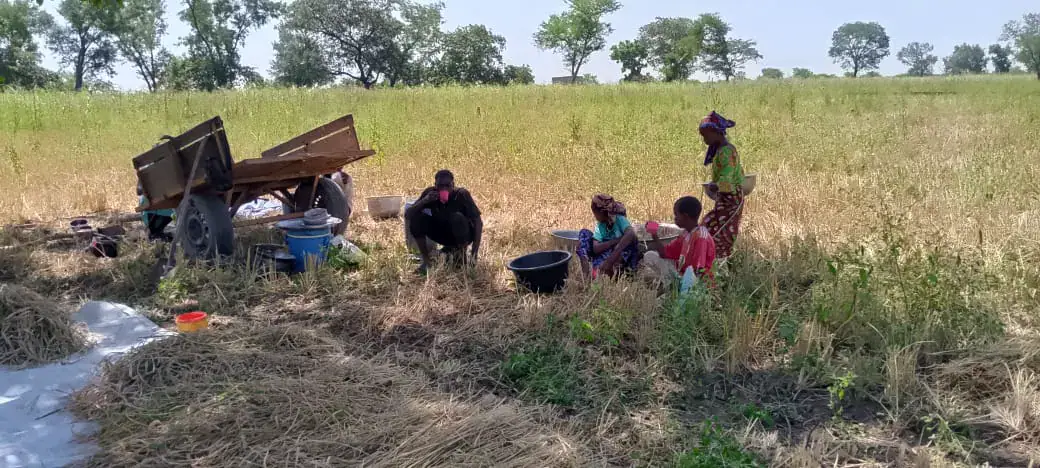
Rice farmers in Doba, the capital of Logone oriental province, are facing a challenging situation due to poor rice yields caused by insufficient rainfall. The region's agricultural sector is struggling, with farmers expressing concerns over the impact on their livelihoods. A recent visit to rice fields in the area revealed that the situation is dire, with many fields not producing the expected yields. The lack of rainfall has resulted in dry soil and stunted crop growth.
The local community is feeling the effects of the poor harvest, with many households relying heavily on rice as a staple food. In the Mboh-Nya area, located near the Pendé river, rice production has been particularly affected. Farmers had expected to harvest between 30 and 40 bags of rice per hectare, but instead, they are only managing to collect two or three bags. This shortfall will likely have a significant impact on food availability and prices in the region.
Farmers in the area are frustrated with the situation, citing the early cessation of rainfall and inadequate water supply in the canals as the main causes of the poor harvest. Nedoumbayel Moïse, a regular rice farmer, expressed his disappointment, stating that despite following proper farming practices, his yield was extremely low. He also noted that livestock owners are taking advantage of the situation, allowing their cattle to graze on the limited rice harvest.
The Agence nationale d'appui au développement rural (ANADER), the national agency supporting rural development, has confirmed the poor rice harvest in the region. According to Benjamin Ouaïdou, the head of ANADER's Pendé section, the 2026-2027 agricultural season has been marked by a significant rainfall deficit, affecting rice production. However, he noted that other crops are performing relatively well, and advised farmers to diversify their activities and explore off-season farming.
The impact of the poor harvest is already being felt in local markets, where rice prices are rising sharply. The situation is likely to worsen if alternative measures are not taken to address the food shortage. ANADER has transmitted the information to its hierarchy, which is aware of the situation and may take steps to mitigate the effects of the poor harvest.
The rainfall deficit is a significant concern for farmers in the region, who rely heavily on rainfall for their crops. The situation highlights the vulnerability of agricultural production to climate-related factors and the need for sustainable solutions to address these challenges. Farmers and local authorities are working together to find ways to improve crop yields and reduce the impact of future droughts.
The situation in Doba serves as a reminder of the importance of addressing climate change and its impacts on agricultural production. The Chadian government and international organizations may need to provide support to farmers in the region to help them adapt to changing weather patterns and improve their resilience to climate-related shocks.
Key points
- The poor rice harvest in Doba is attributed to a significant rainfall deficit during the 2026-2027 agricultural season.
- The situation is affecting the livelihoods of many households in the region, with rice prices rising sharply.
- Local authorities and farmers are exploring ways to address the challenges posed by climate change and improve crop yields.