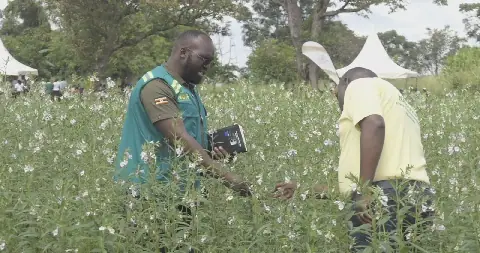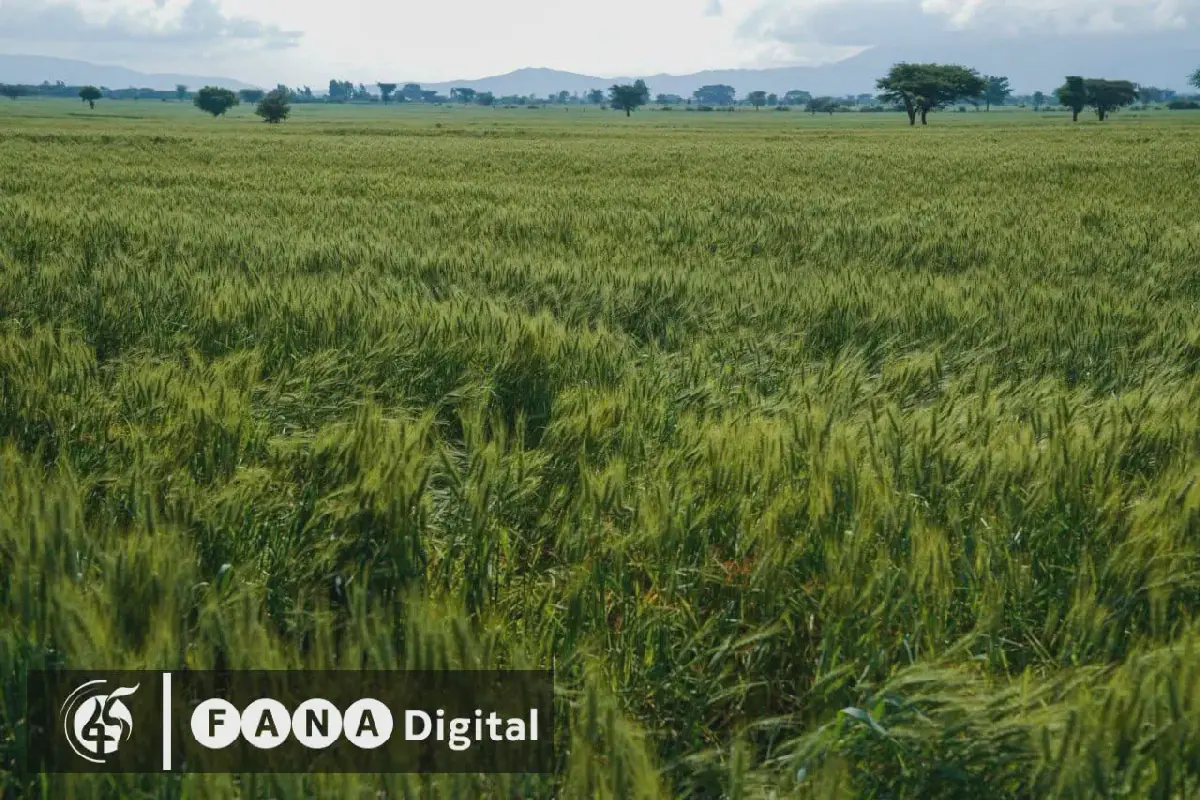
Ethiopia has made significant strides in its agricultural sector, achieving remarkable progress in summer wheat development. The initiative, which began as a pilot project on 20,000 hectares, has expanded to cover 3.78 million hectares, resulting in a substantial increase in wheat production. In 2017, the country harvested 140 million quintals of wheat, which rose to 149 million quintals in 2018. This progress has been instrumental in reducing the country's reliance on imported food and mitigating the foreign exchange crisis.
The summer wheat development program has been implemented in various parts of the country, including areas affected by drought. The program has enabled farmers to cultivate wheat using surface and groundwater resources, resulting in a significant increase in production. In 2019, the government set a target to cover over 4.5 million hectares of land with wheat, aiming to produce 189 million quintals. This achievement has not only improved food security but also reduced the country's dependence on imported wheat, which previously cost around $1 billion annually.
The success of the summer wheat development program has garnered international attention, with the Food and Agriculture Organization (FAO) awarding Ethiopia the prestigious Agricola Medal. The program's success can be attributed to the adoption of modern technology, improved agricultural practices, and the distribution of high-quality wheat seeds suitable for different regions. The government has also provided farmers with access to tractors and combine harvesters, enabling them to cultivate and harvest their land more efficiently.
The impact of the summer wheat development program extends beyond food security, as it has also contributed to the country's economic growth. By reducing the need for imported wheat, Ethiopia has saved significant foreign exchange, which can be allocated to other essential sectors. Moreover, the program has created employment opportunities for farmers and rural communities, improving their livelihoods and contributing to the overall development of the country.
The Ethiopian government's commitment to agricultural development has been instrumental in achieving this progress. The country's leadership has prioritized the sector, investing in modern technology, infrastructure, and human resources. The summer wheat development program is a testament to the government's efforts to ensure food security and promote sustainable agricultural practices.
The success of the summer wheat development program has also been recognized globally, with many countries taking note of Ethiopia's achievements. The program has demonstrated that with the right policies, investments, and technologies, countries can achieve significant progress in food production and security. As the world grapples with the challenges of climate change, food insecurity, and sustainable development, Ethiopia's experience offers valuable lessons and insights.
As Ethiopia continues to build on its achievements, the government has emphasized the need to sustain and expand the program. The country aims to maintain its momentum in agricultural development, exploring new opportunities and technologies to improve productivity and food security. With its rich agricultural resources and committed leadership, Ethiopia is poised to make a lasting impact on the global food landscape.
Key points
- The summer wheat development program has increased wheat production from 140 million quintals in 2017 to 189 million quintals in 2019.
Reporting sources
- የበጋ መስኖ ስንዴ ልማት ለምግብ ሉዓላዊነት · Fana Broadcasting Corporate