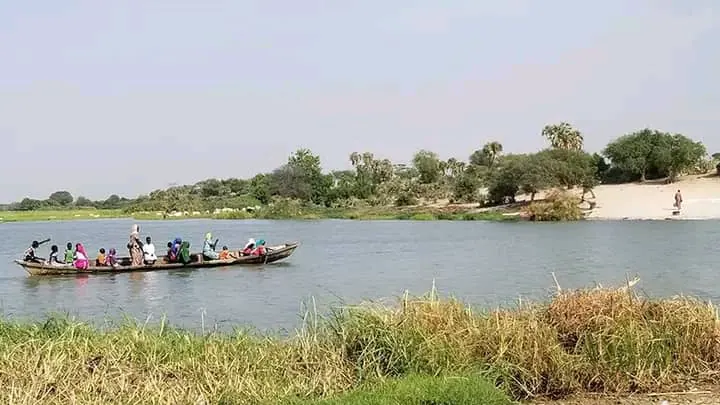
The Projet de relance et de développement de la région du lac Tchad (PROLAC) has established a network of community committees to help populations in Chad and other regions of the Lake Chad basin cope with the impacts of weak rainfall and climate change. With droughts and irregular rainfall patterns exacerbating difficulties for rural populations, the project aims to strengthen community capacity to withstand climate shocks.
The project, supported by the World Bank, takes a community-led approach to development, focusing on allowing populations to identify their needs, monitor investments, and manage project implementation. This approach aims to promote local ownership and ensure the long-term sustainability of project investments. By engaging communities directly, the project seeks to address the complex challenges facing the Lake Chad basin, including weak and irregular rainfall, population displacement, and degradation of natural resources.
A total of 700 community committees have been established in Chad, Cameroon, and Niger to support the implementation and monitoring of project investments. These committees play a crucial role in ensuring that project activities are responsive to community needs and that benefits are equitably distributed. The committees also help to foster a sense of community ownership and responsibility for project outcomes.
The PROLAC project recognizes that the challenges facing communities in the Lake Chad basin are complex and multifaceted. Weak rainfall and climate change have significant impacts on livelihoods, and the project seeks to support communities in developing their resilience and adaptability. By strengthening community capacity to manage and respond to climate-related shocks, the project aims to help communities protect their livelihoods and build a more sustainable future.
In Chad, the project is particularly relevant given the country's vulnerability to climate change and its impacts on agriculture, livestock, and other sectors. The project's focus on community-led development and resilience-building is critical to helping communities adapt to a changing climate. The project's implementation is also expected to have positive impacts on food security, poverty reduction, and overall economic development in the region.
The PROLAC project's approach has been designed to be flexible and responsive to community needs, allowing for adjustments to be made as needed. This flexibility is essential given the complex and dynamic nature of climate change and its impacts on communities. By working closely with communities and supporting their efforts to build resilience, the project aims to make a lasting and positive impact on the lives of people in the Lake Chad basin.
Overall, the PROLAC project's establishment of 700 community committees represents a significant step towards strengthening community resilience and promoting sustainable development in the Lake Chad basin. The project's focus on community-led development, resilience-building, and adaptability is critical to helping communities cope with the impacts of climate change and build a more sustainable future.
Key points
- The PROLAC project has established 700 community committees in Chad, Cameroon, and Niger to support community-led development and resilience-building.
- The project's approach focuses on allowing communities to identify their needs, monitor investments, and manage project implementation.
- The project aims to help communities in the Lake Chad basin develop their resilience and adaptability to climate-related shocks and build a more sustainable future.