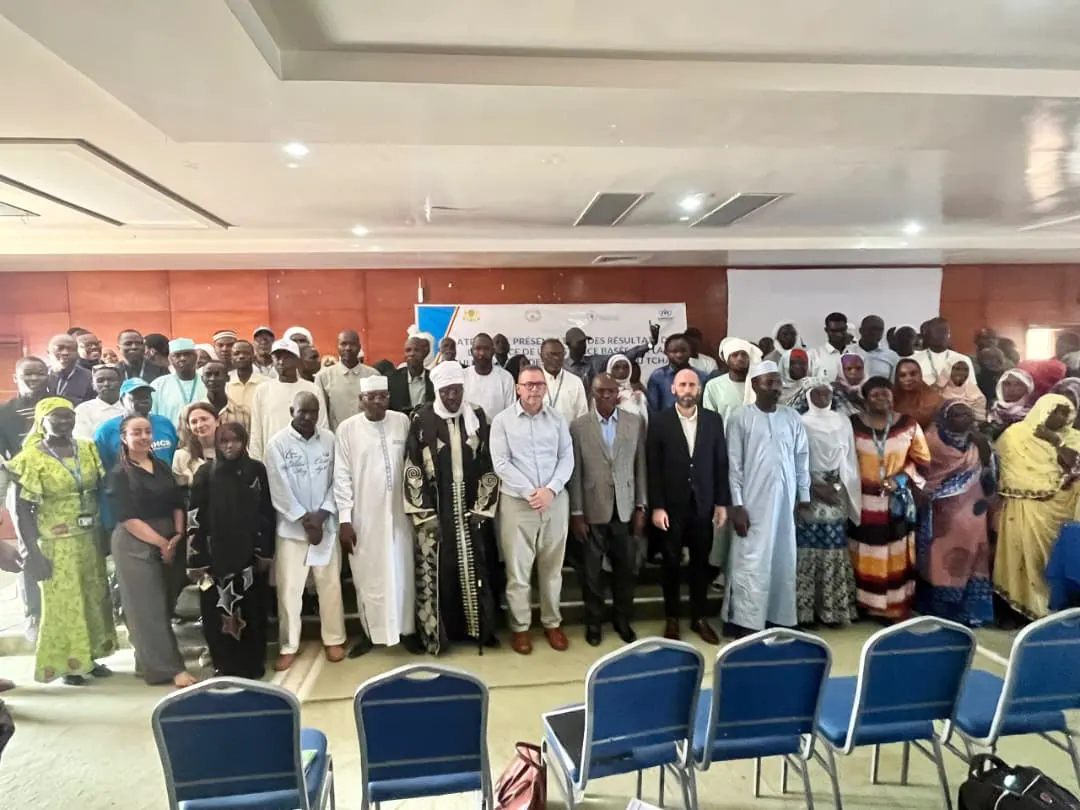
The UN High Commissioner for Refugees and the World Food Programme organized a workshop on September 17, 2026, in Abéché, Chad, to share results of their vulnerability-based assistance program. The event was launched by the Secretary-General of Ouaddaï Province, Djingar Gaspard. This initiative aims to enhance collaboration between humanitarian actors, authorities, and local communities in providing targeted support to refugees. The program seeks to utilize data to better direct aid to the most vulnerable refugees.
The workshop brings together various stakeholders, including the National Commission for Refugee Reception and Repatriation, administrative and local authorities, humanitarian partners, and refugee community representatives. Over the course of a day, participants will discuss and validate the results of the vulnerability-based assistance program. This approach is crucial in the current context, where funding constraints and an influx of displaced persons are straining humanitarian resources.
Alexandre Le Cuziat, Deputy Country Director of Operations at WFP, highlighted the challenges posed by declining funding for humanitarian operations. He emphasized that the traditional approach of providing food assistance to all refugees indiscriminately is no longer feasible due to resource constraints. The vulnerability-based assistance program offers a solution, enabling WFP to maintain support for the most exposed populations despite financial limitations.
Jens Hesemann, UNHCR representative, echoed Le Cuziat's sentiments, noting that the evolving humanitarian context demands a new approach to targeting beneficiaries. The decline in international funding and the continued arrival of displaced populations have increased pressure on assistance mechanisms. Hesemann stressed the need for more precise targeting to ensure that aid reaches those who need it most.
In his opening remarks, Djingar Gaspard reaffirmed the commitment of local authorities to collaborate with humanitarian partners. He called for close cooperation between state services, humanitarian organizations, local authorities, and community leaders to ensure the success of the vulnerability-based assistance program. Gaspard's sentiments reflect the importance of a coordinated approach in addressing the needs of refugees.
The vulnerability-based assistance program is a critical component of the humanitarian response in Chad, where refugees from Sudan and other countries face significant challenges. By leveraging data and collaboration, humanitarian actors aim to provide more effective support to those in need. The program's success will depend on continued cooperation and commitment from all stakeholders involved.
The workshop in Abéché marks a significant step towards improving the targeting of aid to vulnerable refugees in Chad. As humanitarian resources continue to face pressure, innovative approaches like the vulnerability-based assistance program are essential in ensuring that support reaches those who need it most. The outcomes of the workshop will likely inform future humanitarian programming in the region.
Key points
- The UNHCR and WFP are implementing a vulnerability-based assistance approach to improve targeting of aid to refugees in Chad.
- The program aims to utilize data to direct support to the most vulnerable refugees, despite funding constraints.
- The initiative has garnered support from local authorities, who have committed to collaborating with humanitarian partners.