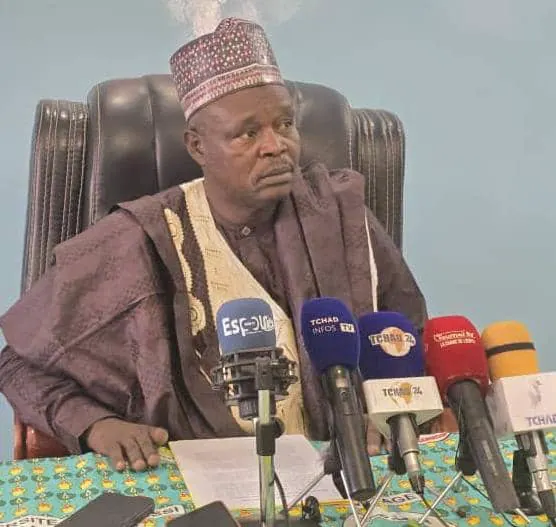
Chad's education system has been facing significant challenges since the 1979 hostilities, which have continued to worsen over time. According to Dr. Allah-Ridy Koné, founder of the Emi Koussi University, the system is plagued by a lack of infrastructure, outdated teaching methods, and a shortage of qualified teachers. The majority of schools in Chad are made of straw, with overcrowded classrooms and inadequate facilities. For instance, in N'Djamena, some classes have 60 to 100 students, while in rural areas, classes have 40-50 students.
One of the major issues affecting Chad's education system is the shortage of qualified teachers. Out of 30,000 teachers, over 40% are community teachers who are not formally trained and are paid by parents. The low salaries and delayed payments have led to recurrent strikes, causing students to suffer. This has resulted in a brain drain, with qualified teachers leaving the public sector for private schools or abroad. Furthermore, the lack of infrastructure and resources has led to a high dropout rate, with only 45% of students completing primary school.
The quality of education in Chad is also a significant concern. The country's education system is not adapted to its realities, with a curriculum that is too theoretical and classical. The program does not take into account the needs of nomadic communities, who make up 30% of the population. Additionally, the language of instruction is often not suitable for students, who speak local languages or Arabic instead of official languages like French and Arabic.
Inequality in education is another major challenge facing Chad. There is a significant disparity in enrollment rates between boys and girls, particularly in rural areas. In some regions, such as Wadi Fira, Ouaddaï, and Ennedi, less than 30% of girls are enrolled in school. Early marriage and domestic work are often prioritized over education for girls, perpetuating the cycle of poverty and inequality.
The Chadian government has made some efforts to address these challenges, but more needs to be done. The President, Mahamat Idriss Deby Itno, has included education in his project, with 12 key initiatives and 100 actions. However, experts argue that the government needs to allocate more resources to education, with a recommended 20% of the budget, as per UNESCO guidelines. Currently, the government allocates less than 10% of its budget to education, which is insufficient to address the sector's needs.
Experts propose several solutions to address Chad's education challenges. Short-term solutions include recruiting and training community teachers, establishing school canteens, and providing mobile schools for nomadic communities. Medium-term solutions involve constructing buildings using local materials, promoting bilingual education, and revaluing the teaching profession. Additionally, experts recommend introducing vocational training and providing incentives for girls to attend school.
To ensure the success of these initiatives, experts stress the need for a coordinated approach. The government should work with local communities, NGOs, and international partners to develop a comprehensive strategy for education reform. This includes decentralizing management, providing schools with autonomy, and engaging parents and communities in the decision-making process. By working together, Chad can address its education challenges and provide its children with the skills and knowledge they need to succeed.
Key points
- Chad's education system faces significant challenges, including a lack of infrastructure, teacher shortages, and low quality.
- Experts propose short-term and medium-term solutions, including recruiting and training community teachers and promoting bilingual education.
- The government needs to allocate more resources to education, with a recommended 20% of the budget, as per UNESCO guidelines.