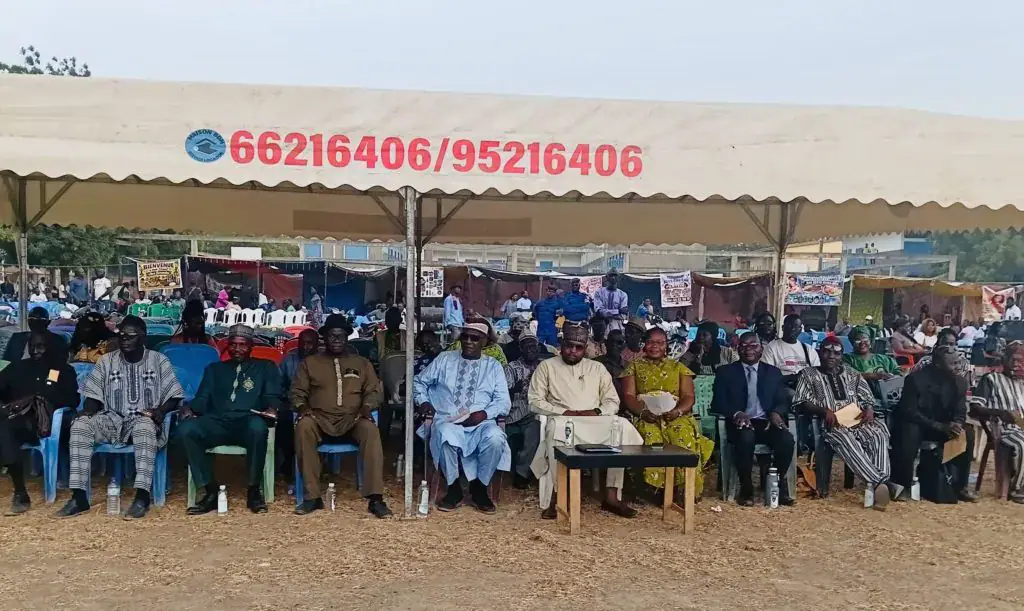
The inaugural Mayo-Kebbi and Tandjilé Cultural Festival (MKT) was launched on November 5, 2026, at the Don Bosco Center in N'Djamena, Chad. The four-day event, organized by the Association GAMAR, aims to celebrate the traditions of the Mayo-Kebbi and Tandjilé provinces, foster unity among communities, and promote cultural diversity. The festival brings together people from various ethnic groups, including the Moundang, Toupouri, Marba, and Massa.
The festival features a range of activities, including traditional storytelling, dances, songs, and handicraft exhibitions. Visitors can also enjoy traditional cuisine, watch wrestling matches, and learn about the cultural practices surrounding important life events, such as weddings and funerals. The event provides a platform for communities to come together, share their experiences, and learn from one another. The festival's organizers hope to promote cultural understanding and social cohesion.
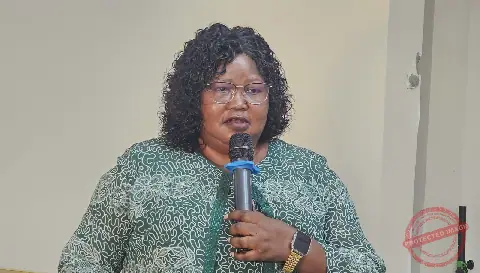
The launch ceremony was attended by traditional and administrative authorities, who welcomed the initiative. Soutta Laurencia, the festival's promoter and president of the organizing committee, encouraged participants to take pride in their cultural heritage. She emphasized that the festival is not only for the Mayo-Kebbi and Tandjilé provinces but also for the entire country, highlighting Chad's rich cultural diversity.
Laurencia expressed her desire for the festival to become an annual event, gradually open to other communities across the country. She believes that the festival can serve as an example of unity, cohesion, and fraternity for the nation. Abakar Djimrangar, representing the traditional leaders of the 32 communities participating in the festival, praised the initiative and stressed the importance of passing down cultural heritage to younger generations.
Djimrangar called on the organizers to keep the cultural flame burning, ensuring that it is not extinguished. Habib Hamit Dahalab, representing the mayor of the 7th arrondissement, reaffirmed the council's support for the festival, pledging to accompany the event as it grows into an annual tradition. The council's backing will help the festival become a staple in Chad's cultural calendar.
The festival's program includes various activities, such as traditional music performances, handicraft exhibitions, and competitions. The event provides a unique opportunity for communities to come together, share their traditions, and celebrate their diversity. By promoting cultural understanding and unity, the festival aims to contribute to Chad's social cohesion and peace.
As the festival continues, participants and visitors are expected to engage in lively discussions, learn from one another, and forge new connections. The event's success will depend on the continued support of organizers, participants, and local authorities. If successful, the Mayo-Kebbi and Tandjilé Cultural Festival may become a model for similar events across Chad, promoting cultural diversity and unity throughout the country.
Key points
- The festival aims to promote cultural diversity and social cohesion in Chad.
- The event features traditional storytelling, dances, songs, and handicraft exhibitions.
- The festival's organizers hope to make it an annual event, open to other communities across the country.