Chad is celebrating the 68th anniversary of the proclamation of its republic, a significant event that took place on November 28, 1958, in what is now the capital city of N'Djamena, formerly known as Fort-Lamy. This proclamation was made through a deliberation by the territorial assembly, marking the birth of the Republic of Chad as a member state of the French Community, nearly two years before gaining independence on August 11, 1960.
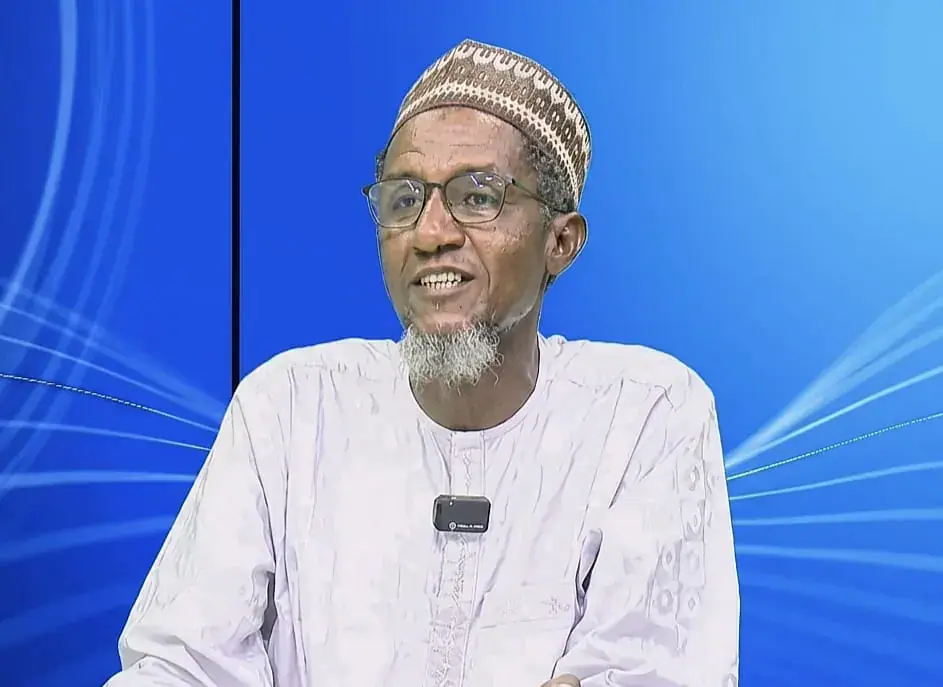
Dr. Sali Bakari, a historian and researcher, and head of the Center for Studies and Research of the Sahel (CERS), shared his insights on the historical significance of this date. According to him, the proclamation of the republic signifies a transition from previous orders to a new one, ushering in values of justice, equality, and national unity, as encapsulated in Chad's motto: Unity, Work, Progress. This event is seen as a decisive phase in nation-building and state consolidation.
The proclamation of the republic is considered a foundational moment that celebrates and consecrates humanity by defining rights and obligations, and establishing the principle of citizenship that supersedes ethnic and regional considerations. However, despite the strength of the republican ideal, its implementation has been challenged by Chad's history, marked by coups, civil wars, and military transitions since gaining independence.
Dr. Bakari notes that the republic has found itself in a political dynamic dominated by armed violence and political terror, with disastrous consequences for Chadian society. This instability has hindered the consolidation of republican institutions. When asked about the situation 68 years after the proclamation, Dr. Bakari remains cautious, acknowledging the significant challenges but also highlighting Chad's relative stability in a turbulent Sahel region.
Despite the challenges, Dr. Bakari points out that Chad has managed to maintain peace and stability in a region plagued by insecurity and geopolitical crises. The country faces immense security, economic, and social challenges but stands out as a pole of relative stability in the Sahel and Central Africa.
The historian views the Republic of Chad, 68 years after its proclamation, as an unfinished project. He emphasizes the need to consolidate the ideals of unity, justice, and citizenship in the face of a history still marked by violence. The commemoration of this date serves as a reminder of the work yet to be done to fully realize the republican ideals.
As Chad commemorates this significant event, it does so with a mixed assessment of its progress. The country continues to navigate the complexities of its history and the current geopolitical landscape, striving to strengthen its institutions and ensure a more stable and prosperous future for its citizens.
Key points
- The Republic of Chad was proclaimed on November 28, 1958, marking its transition to a new political order.
- Dr. Sali Bakari sees the republic as an unfinished project due to ongoing challenges.
- Despite instability in the region, Chad has maintained relative stability and peace.