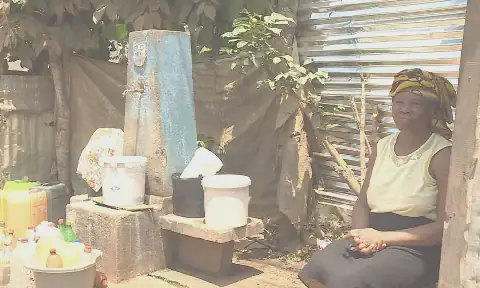
In a personal testimony, Ghislaine Mbaindogoum recounts her experience with uterine fibroids, which she describes as a silent nightmare that had significantly impacted her daily life. She had suffered from severe bleeding, fatigue, and anemia, which had left her feeling weak and without energy. Her story aims to raise awareness about the condition and encourage women not to trivialize their pain.
Mbaindogoum's experience began two months prior to her testimony, when she underwent surgery to treat her condition. She emphasizes that her case was not just about painful periods or a minor inconvenience, but a life-altering experience that affected her daily activities and overall well-being. Her testimony seeks to challenge the stigma surrounding reproductive health and encourage women to speak out about their struggles.
According to Mbaindogoum, the condition not only caused physical symptoms but also took a toll on her mental health. She had often found herself smiling and pretending that everything was fine, while secretly struggling with her condition. Her story highlights the importance of acknowledging and addressing the emotional and psychological impact of reproductive health issues.
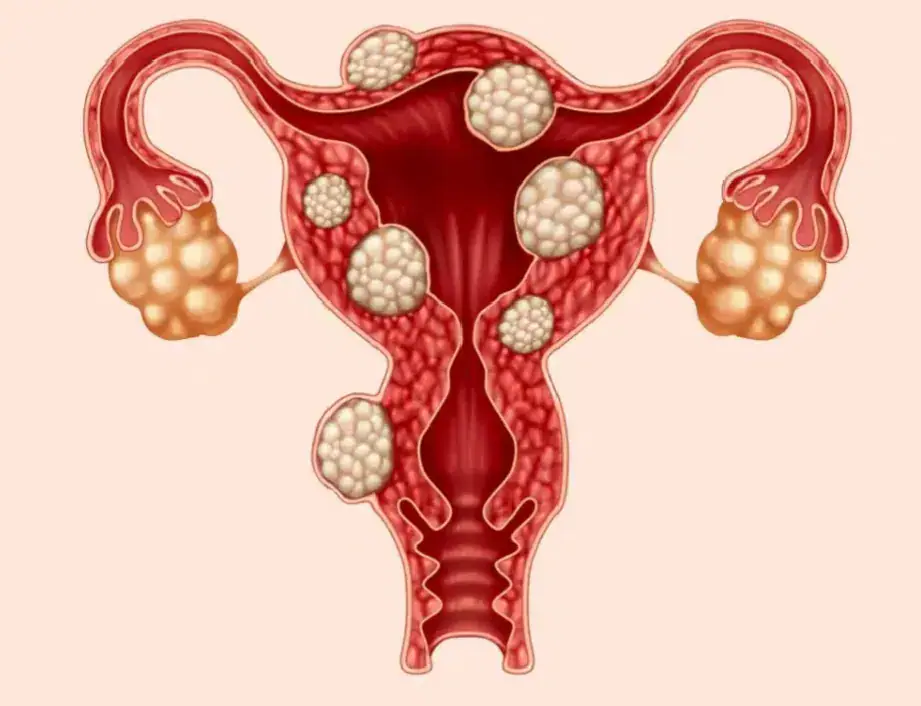
Dr. Deubalbe Djonka Djoret, a medical expert, explains that the growth and position of uterine fibroids can contribute to bleeding. He notes that fibroids that develop towards the outside of the uterus tend to cause less bleeding, while those that grow towards the inside can lead to significant hemorrhaging. He also identifies several factors that can increase the risk of hemorrhage, including abdominal trauma, pregnancy, and certain medications.
Dr. Djoret also highlights the challenges of distinguishing between heavy menstrual bleeding and bleeding caused by uterine fibroids. He suggests that the appearance of the blood and the presence of clots can be used to make a diagnosis. An ultrasound can also be used to confirm the presence of fibroids. His explanations provide valuable insights into the medical aspects of the condition.
Mbaindogoum's testimony has sparked a conversation about the need to take reproductive health seriously and break the silence surrounding uterine fibroids. Her story serves as a reminder that women's health issues should not be trivialized or stigmatized. By sharing her experience, she hopes to encourage others to speak out and seek medical attention if they are struggling with similar issues.
The conversation around uterine fibroids is crucial in Chad, where access to healthcare services, particularly reproductive health services, can be limited. Raising awareness about the condition and its symptoms can help women seek medical attention earlier, reducing the risk of complications and improving their overall health and well-being.
Key points
- Uterine fibroids can have a significant impact on a woman's daily life, causing physical and emotional symptoms that should not be trivialized.
- Breaking the silence around reproductive health issues is crucial in raising awareness and encouraging women to seek medical attention.
- Medical experts emphasize the importance of proper diagnosis and treatment of uterine fibroids to prevent complications and improve women's health.