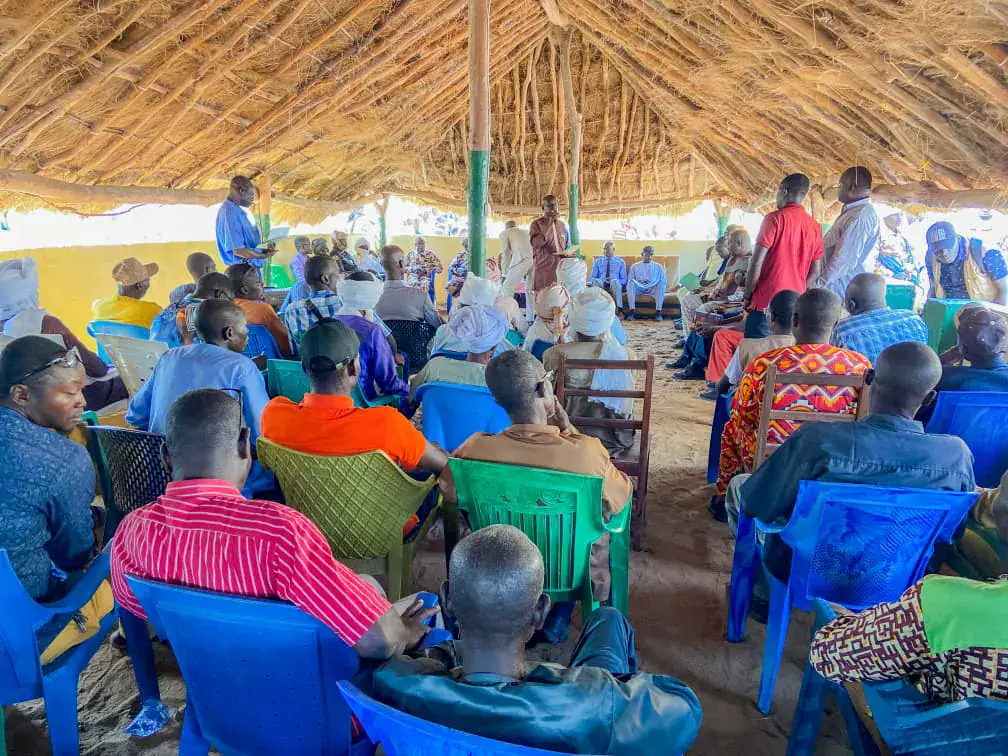
The province of Moyen-Chari in Chad is facing a resurgence of Guinea worm infections, with 32 cases reported in 2026, up from 26 in 2025. To combat this trend, provincial authorities organized a sensitization campaign in Maïmana village on November 21, 2026. Led by Abderaman Ahmat Bargou, the government's delegate general, the mission aimed to educate the community on the risks of Guinea worm and preventive measures. The campaign comes as a response to growing concerns among health officials.
The village chief of Maïmana, Dakoulo Benoît, expressed gratitude to the authorities for the initiative, highlighting the challenges of monitoring animals in the area. He urged residents to keep their dogs within their compounds and cooperate with health agents. Meanwhile, Adoumadji Beassoum, the chief medical officer of the Danamadji health district, reported that ten out of fourteen animal infections in his district were detected in the Maïmana area. He stressed the importance of animal surveillance and adherence to health guidelines.
According to Dr. Mekonyo Kolmian, the provincial delegate of public health for Moyen-Chari, significant progress was made between 2019 and 2025, with animal infections decreasing from 873 to 26 cases, a 97% reduction. However, the recent increase in infections and shortcomings in isolating infected animals have raised concerns. The provincial coordinator of the Guinea Worm Eradication Program, Tetouyaba Blatome, educated the population on contamination risks and recommended using water filters, reporting suspicious animals, and attaching them to prevent disease spread.
Abderaman Ahmat Bargou called on residents to collaborate closely with health services and set a goal of zero Guinea worm cases by 2027. He relied on the commitment of traditional leaders, religious officials, and community organizations in local awareness actions. The delegate general instructed the provincial public health delegation to submit a first report on measures taken within thirty days. The mission concluded with a visit to the Maïmana health center, where Bargou and his delegation assessed working conditions and facility operations.
The resurgence of Guinea worm infections in Moyen-Chari has sparked concerns among health officials and local communities. Despite previous progress, the recent uptick in cases has highlighted the need for sustained efforts to eradicate the disease. The authorities' campaign in Maïmana aimed to re-engage the community in preventive measures and enhance cooperation with health services.
Local leaders and health officials emphasized the importance of community involvement in the fight against Guinea worm. By working together, residents, traditional leaders, and health agents can help prevent the spread of the disease and achieve the goal of zero cases by 2027. The campaign's success will depend on sustained efforts and cooperation from all stakeholders.
The situation in Moyen-Chari highlights the challenges of eradicating Guinea worm, a disease that has been targeted for elimination for decades. Chad's experience underscores the need for continued vigilance and community engagement to overcome the remaining hurdles and achieve a Guinea worm-free status.
Key points
- Authorities aim to reduce Guinea worm infections to zero by 2027 through enhanced community engagement and cooperation with health services.