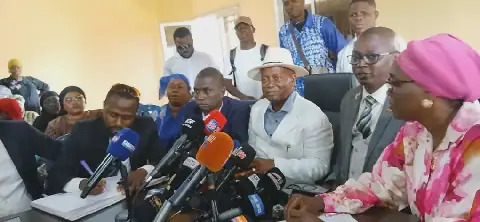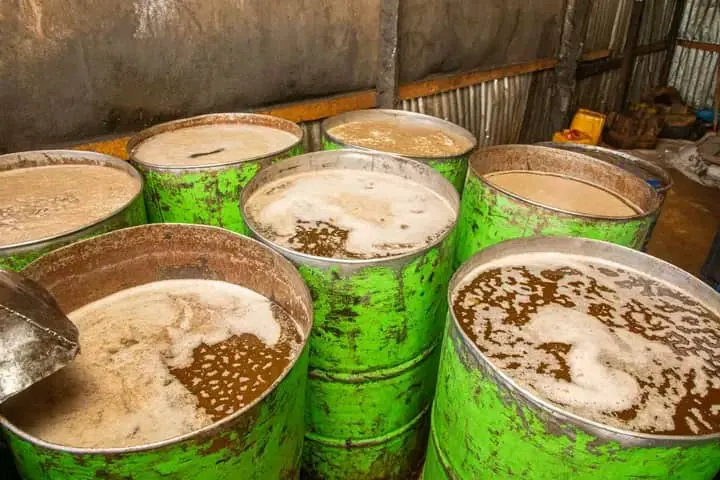
On September 21, 2026, Chad's municipal health police, led by Nadifa Narebaye, conducted a series of inspections in artisanal peanut oil production units in N'Djamena's 7th arrondissement. The operation aimed to verify compliance with hygiene and sanitation rules applicable to food manufacturing activities. Inspectors found several irregularities, including unsanitary production conditions and non-compliance with hygiene rules. These findings raise concerns about the safety of products intended for consumption and the protection of the environment.
The inspections revealed that production units were plagued by poor hygiene, with agents discovering unsanitary conditions and equipment. In the food sector, such shortcomings can compromise the sanitary safety of foodstuffs. Contamination of raw materials, equipment, or finished products poses a significant risk. However, the controls do not provide conclusive evidence that commercialized oil is contaminated or that poisoning has occurred.
The operation also highlighted inadequate waste management practices. The dumping of waste on public roads, in violation of environmental norms, contributes to urban degradation and exposes residents to various nuisances. Accumulated waste can cause bad odors, attract pests, and clog drainage systems. During rainfall, these deposits can exacerbate water flow problems and contribute to pollution in surrounding areas.
These practices raise dual concerns: the responsibility of production units in managing their waste and the protection of populations living near these activities. Such a situation can lead to the mixing of wastewater with rainwater, potentially affecting public hygiene and the environment. Depending on local conditions, these discharges can contribute to soil and water contamination, increasing the risk of exposure to pathogens.
The problem extends beyond the perimeter of the artisanal units concerned, affecting residents, users of public roads, and municipal sanitation infrastructure. Following the inspections, several unit managers were summoned to explain the irregularities and take necessary measures to rectify the situation. The municipal health police's actions aim to ensure compliance with hygiene and sanitation rules, protecting public health and the environment.
The shutdown of these production units may have significant economic implications for the owners and employees. However, the authorities' primary concern is the safety of consumers and the protection of the environment. The inspections and subsequent actions demonstrate the government's commitment to enforcing regulations and ensuring a safe and healthy environment for citizens.
The municipal health police's operation serves as a reminder to artisanal producers of the importance of adhering to hygiene and sanitation standards. The authorities will likely continue to monitor these production units to ensure compliance with regulations, and unit managers must take corrective action to resume operations. The incident highlights the need for stricter controls and regulations in the food production sector to prevent similar situations in the future.
Key points
- Chad's municipal health police shut down several artisanal peanut oil production units due to unsanitary conditions, including poor hygiene and inadequate waste management.