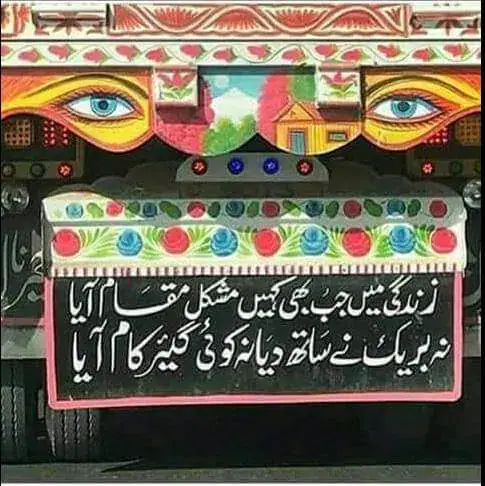
Urdu is considered one of the most beautiful languages in the world, born from the cultural fusion in the Indian subcontinent. The language emerged from the blend of local culture with Arabic, Persian, and Turkish cultures. This unique blend gave Urdu its distinctive musical tone, earning it the title of "language of the camp," where people from different cultures came together. Urdu is written in the Arabic script, which adds to its beauty and charm.
Today, Urdu is not limited to a single region but is spoken by over 230 million people worldwide. It is the national and official language of Pakistan and one of the recognized languages in India, particularly in cities with a rich Islamic history like Hyderabad and Delhi. With migration and diaspora communities, Urdu can be heard on the streets of Britain, Canada, the United States, and Gulf countries, making it a cultural bridge across continents.
November 9 is celebrated as World Urdu Day, which coincides with the birthday of Muhammad Iqbal, the spiritual father of the language. Iqbal was not only a poet but also a thinker who used Urdu as a tool to awaken the youth and inspire them with a sense of freedom, dignity, and self-reliance. His poetry and philosophy continue to influence Urdu literature and culture.
Urdu has a rich literary and cultural heritage, with a history dating back to the 18th century. The language has been shaped by various cultural and linguistic influences, including Persian, Arabic, and Turkish. Urdu has a unique grammatical structure and vocabulary, which reflects its cultural diversity. The language has also been influenced by local languages, such as Hindi and Punjabi.
Urdu is an important part of Pakistan's identity and culture. It is the language of education, literature, and media in Pakistan. The language is also an important symbol of national unity and pride. Urdu has played a significant role in Pakistan's history, particularly during the country's struggle for independence.
The celebration of World Urdu Day highlights the importance of language and culture in promoting understanding and unity among people. Urdu is a language that has brought people together, transcending geographical and cultural boundaries. The language continues to be an important part of the cultural heritage of countries where it is spoken.
As the world celebrates Urdu, it is essential to recognize the language's significance in promoting cultural diversity and exchange. Urdu's unique blend of cultures and languages has made it a rich and vibrant language, with a distinct musical tone and literary heritage. The language will continue to play an important role in promoting cultural understanding and exchange among people around the world.
Key points
- Urdu is spoken by over 230 million people worldwide and is the national and official language of Pakistan.