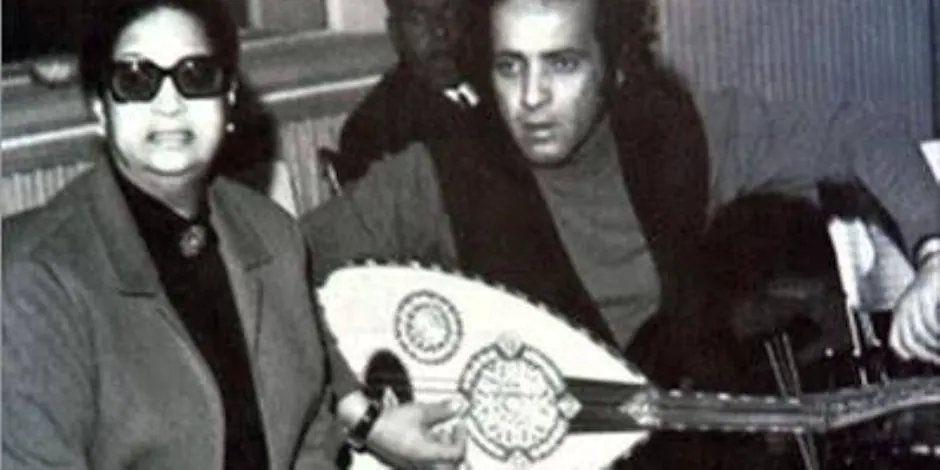
On October 7, 1931, Pelig Hamdi was born, marking the beginning of a remarkable journey in Egyptian music. His association with Umm Kulthum, known as the "Star of the East," produced a series of iconic songs that continue to influence Arabic music to this day. Hamdi's contributions to Umm Kulthum's repertoire are still celebrated and cherished by music enthusiasts worldwide.
The collaboration between Pelig Hamdi and Umm Kulthum began when musician Mohamed Fouzi introduced them in the early 1960s. Fouzi, recognizing Hamdi's talent, encouraged him to showcase his skills to Umm Kulthum. During a gathering at Dr. Zaki Sweedan's residence, Hamdi performed his song "Hub Eh" for Umm Kulthum, which left a lasting impression on her. She requested that he visit her the following day, and upon hearing the complete song, she decided to record it.
One of Hamdi's most notable works with Umm Kulthum is the song "Hub Eh," which was released in December 1960 and achieved immense success. This was followed by numerous other iconic songs, including "Ansak" in 1961, "Zalamna Al-Hub" in 1962, "Kol Leila w Kol Youm" in 1963, and "Sirat Al-Hub" in 1964. These songs showcased Hamdi's mastery of melody and his ability to craft timeless classics.
Throughout his career, Pelig Hamdi continued to create memorable songs for Umm Kulthum, including "Ba'eed 'Anak" in 1965, "Fat Al-Mee'ad" in 1967, and "Inna Fedaiyun" in 1967. His collaboration with Umm Kulthum resulted in some of the most enduring and beloved songs in Arabic music. Hamdi's legacy extends beyond his work with Umm Kulthum, as he inspired generations of musicians and composers.
Pelig Hamdi's impact on Arabic music is undeniable, and his songs continue to be celebrated by audiences worldwide. His ability to craft melodies that resonate with listeners has left a lasting legacy in the world of music. As a testament to his enduring influence, Hamdi's songs remain an integral part of Arabic music heritage.
On the anniversary of his birth, fans and music enthusiasts alike pay tribute to Pelig Hamdi's remarkable contributions to Egyptian music. His collaboration with Umm Kulthum serves as a shining example of the magic that can happen when talented artists come together to create something special. As the music world continues to evolve, Hamdi's legacy serves as a reminder of the power of music to transcend time and cultures.
Key points
- Pelig Hamdi's collaboration with Umm Kulthum resulted in numerous iconic songs that continue to influence Arabic music.
- Hamdi's legacy extends beyond his work with Umm Kulthum, inspiring generations of musicians and composers.
- Pelig Hamdi's songs remain an integral part of Arabic music heritage, continuing to be celebrated by audiences worldwide.