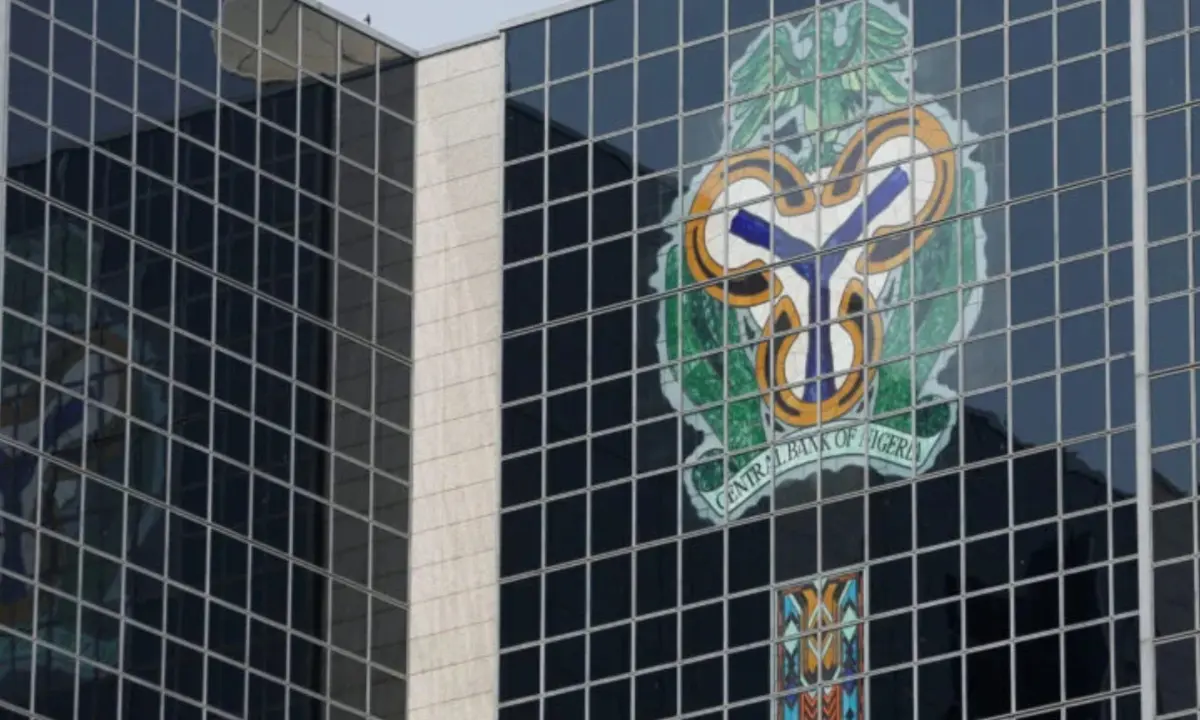
The Central Bank of Nigeria's recent decision to reduce its Monetary Policy Rate (MPR) from 26.5 percent to 23 percent has not led to an immediate decrease in bank lending rates. The CBN's Monetary Policy Committee made this adjustment at its September 21-22, 2026 meeting, marking the largest MPR cut since December 2006. This move was aimed at restoring the MPR as an effective benchmark after market rates had moved significantly below the previous level.
Despite the CBN's efforts to stimulate economic growth by reducing the benchmark rate, lending rates remain relatively high across Nigerian banks. The pricing of loans varies depending on customers' risk profiles, funding costs, and individual credit policies. Some banks are taking a cautious approach, choosing to assess the impact of the new benchmark before adjusting their loan-pricing structures.
Industry checks reveal that some banks do not currently plan to reduce lending rates. However, savings deposit rates linked to the MPR may decrease. At some banks, any review of lending rates requires approval from the Asset-Liability Committee, which oversees liquidity, profitability, and interest-rate risks. This cautious approach is being adopted despite calls from business groups and economists for banks to pass on the CBN's rate cut to borrowers.
The Centre for the Promotion of Private Enterprise and the Lagos Chamber of Commerce and Industry have urged banks to reflect the new monetary policy environment in their credit pricing. They warn that failure to transmit the policy change could limit its impact on investment and economic growth. Economists and business leaders stress the need for lending rates on both new and existing facilities to progressively adjust downward.
Financial analysts, such as Jerry Igwilo of Nisela Capital, expect some reduction in loan costs for borrowers, although the extent will depend on individual risk assessments. The CBN's data show that lending rates had begun moderating before the latest MPR reset, with the average maximum lending rate falling to about 29.19 percent in August from 33.16 percent in July.
The pace at which commercial banks adjust their loan pricing will determine how quickly the CBN's policy reset translates into relief for borrowers and improved access to credit. The CBN Governor, Olayemi Cardoso, announced the rate cut on September 22, 2026, characterising it as a reset rather than conventional monetary policy easing. The adjustment aims to stimulate economic growth by making borrowing cheaper.
The CBN's decision to retain the Cash Reserve Ratio at 45 percent for deposit money banks, 16 percent for merchant banks, and 75 percent for non-TSA public-sector deposits indicates a careful approach to managing liquidity and inflation. As the banking sector continues to adjust to the new policy environment, stakeholders will be watching closely to see how effectively the rate cut achieves its intended goals.
Key points
- The Central Bank of Nigeria reduced its Monetary Policy Rate by 350 basis points to 23 percent.
- Nigerian banks have not yet significantly reduced lending rates following the CBN's rate cut.
- The effectiveness of the CBN's policy reset will depend on the transmission of the benchmark rate to actual lending rates and credit allocation.