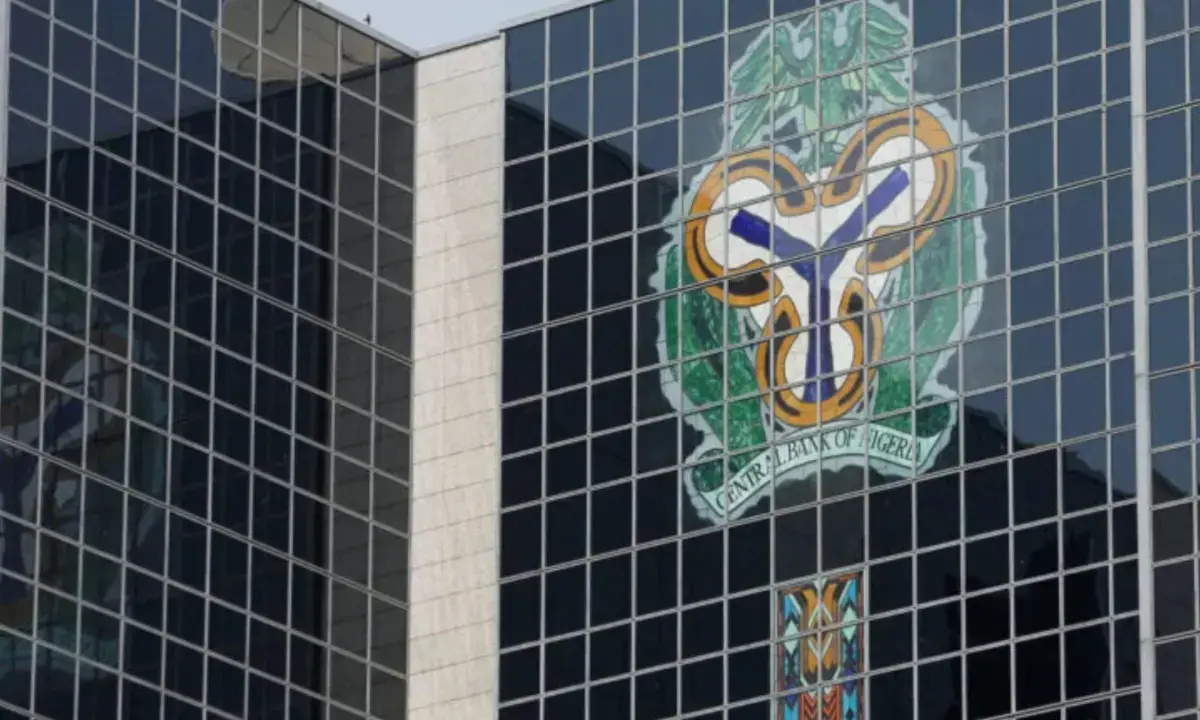
The Central Bank of Nigeria has increased the weekly foreign exchange purchase limit for Bureau De Change operators from $150,000 to $1 million. This move is part of a temporary intervention aimed at improving dollar liquidity and easing pressure on the naira. The new directive, effective from November 25, 2026, allows licensed BDC operators to receive up to 100 per cent of their approved dollar allocations in physical cash through authorised dealer banks.
The previous arrangement permitted authorised dealer banks to sell a maximum of $150,000 weekly to each licensed BDC operator. However, only 25 per cent of the approved allocation, representing $37,500, could be withdrawn in physical cash. The remaining 75 per cent was subject to existing transaction arrangements. The revised directive removes the restriction, allowing BDC operators to receive their entire approved foreign exchange purchases in cash.
The CBN's decision aims to address seasonal demand pressures and improve orderly access to physical United States dollars for end-users. The intervention comes amid renewed pressure on the naira in both official and parallel foreign exchange markets. Increased demand for dollars from individuals, businesses, and investors has contributed to the pressure. CBN Governor Olayemi Cardoso attributed the recent volatility to seasonal demand, portfolio adjustments by investors, and increased foreign currency requirements by businesses.
The CBN's latest intervention aims to improve the availability of dollars through regulated channels and address supply constraints affecting the retail market. The central bank's decision is expected to benefit individuals and small businesses requiring foreign currency for legitimate transactions. The increased supply could help reduce the gap between the official and parallel market exchange rates by providing more dollars through regulated channels.
Market analysts have maintained that the previous cash withdrawal restriction limited the ability of BDC operators to meet demand for physical dollars. With the new arrangement, analysts expect the increased allocation to improve the supply of physical dollars through the official banking system. The actual impact will depend on the volume of foreign exchange made available and the ability of authorised dealer banks and BDC operators to distribute the currency efficiently.
CBN Governor Cardoso expressed optimism that the current foreign exchange pressures would ease significantly as Nigeria moves into 2027. He noted that the country's external position remained supported by favourable current account balances and sustained inflows from Nigerians living abroad. Diaspora remittances stood close to $1.9 billion in the preceding month, providing support for Nigeria's foreign exchange position.
The CBN described the increase as a temporary measure and will monitor its impact on foreign exchange liquidity and exchange rate stability. The effectiveness of the policy will ultimately depend on sustained dollar supply, compliance by market operators, and the ability of the authorities to maintain stability in the foreign exchange market. The intervention forms part of broader efforts by the monetary authorities to improve access to foreign exchange and strengthen the distribution of dollars at the retail end of the market.
Key points
- The Central Bank of Nigeria increases weekly foreign exchange purchase limit for BDC operators to $1 million.
- The CBN removes cash withdrawal restrictions for BDC operators.
- The policy aims to address seasonal demand pressures and improve access to physical dollars.
Reporting sources
- CBN raises BDCs’ weekly dollar limit to $1m, removes cash withdrawal restriction · Blueprint Newspaper