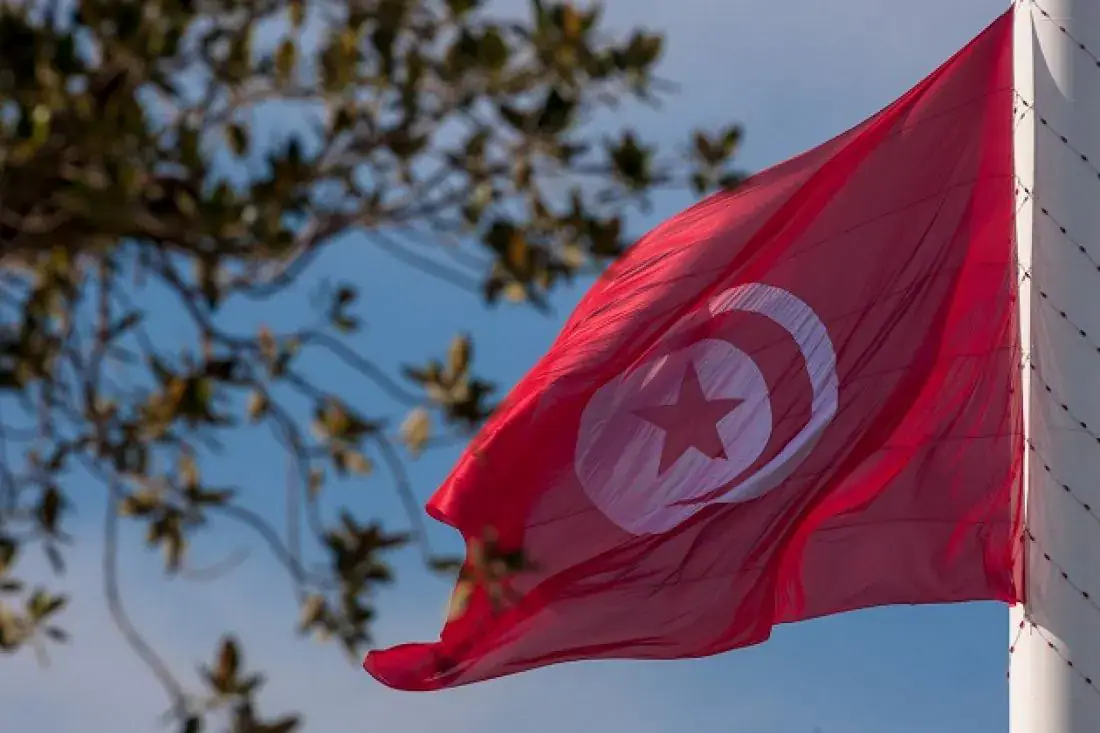
Tunisia has been elected to the Executive Council of the Organization for the Prohibition of Chemical Weapons (OPCW) for the 2027-2029 term. The election took place during the 31st Session of the Conference of the States Parties to the Chemical Weapons Convention, held in The Hague from November 23 to 27, 2026. Tunisia secured its seat in the council under the African Group quota.
The OPCW Conference of the States Parties elects 41 members to the Executive Council annually for a two-year term. Tunisia's election demonstrates the country's international reputation and its active contribution to supporting the OPCW's work. According to the Tunisian Embassy in The Hague, this election reflects the trust and respect Tunisia enjoys globally.
The 31st Session of the Conference of the States Parties to the Chemical Weapons Convention was chaired by Canada's Permanent Representative to the OPCW. The event brought together over 600 delegates from the 193 member states, as well as international organizations and civil society representatives. The conference discussed compliance with the Chemical Weapons Convention and addressing threats related to the use of toxic chemicals in conflicts or by non-state actors.
Alongside Tunisia, other African countries elected to the Executive Council for the 2027-2029 term include Morocco, Angola, Cameroon, and Tanzania. Jordan also secured a seat in the council. Notably, Sudan lost its seat in the council. The elections were held on November 24, 2026.
Tunisia's Ambassador to The Hague and Permanent Representative to the OPCW delivered a statement on behalf of the Tunisian delegation. In the statement, he reiterated Tunisia's commitment to the objectives and principles of the Chemical Weapons Convention, emphasizing the country's support for multilateral efforts.
The Chemical Weapons Convention, which entered into force in 1997, aims to eliminate chemical weapons and prevent their production, stockpiling, and use. The OPCW is responsible for implementing the convention and promoting international cooperation in the field of chemical disarmament.
Tunisia's election to the OPCW Executive Council is seen as a recognition of its contributions to international efforts to prevent the proliferation of chemical weapons. The country has consistently demonstrated its commitment to disarmament and non-proliferation, and its participation in the Executive Council is expected to further strengthen the OPCW's work in this area.
Key points
- Tunisia elected to OPCW Executive Council for 2027-2029 term
- Election reflects Tunisia's international reputation and commitment to disarmament
- OPCW aims to eliminate chemical weapons and prevent their production, stockpiling, and use
Reporting sources
- Jawhara FM · Jawhara FM