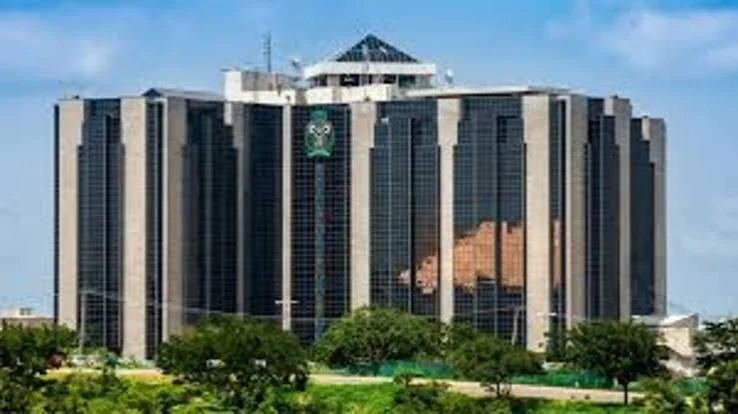
The Central Bank of Nigeria (CBN) is expected to face a significant liquidity surge of N8.57tn in the banking system this week. This increase is attributed to the maturity of Open Market Operations (OMO) bills and bond coupon payments. According to data from the CBN, system liquidity rose to N5.98tn in the week ended September 25, from N2.86tn the previous week. The substantial increase in liquidity is largely due to the repayment of N2.3tn in OMO bills on September 22.
Further inflows of N2.43tn are expected from maturing OMO bills, while bond coupon payments could add approximately N164bn. If banks choose to keep most of these funds within the system, the total liquidity could potentially rise to around N8.57tn. The CBN's data also revealed that banks placed over N7tn with the apex bank during the past week, indicating that they had large amounts of excess cash. This development may increase pressure on the CBN to withdraw some of the excess liquidity from the banking system.
The recent liquidity increase comes on the heels of the CBN's decision to cut its Monetary Policy Rate (MPR) from 26.5% to 23% on September 22. The 350-basis-point reduction was announced after the Monetary Policy Committee meeting. Following the rate cut, money-market rates fell, with the overnight rate dropping to 20.77% from 22.24%, and the funding rate decreasing to 20.40% from 22%. Additionally, the CBN reduced the Standing Deposit Facility rate to 20% and set the Standing Lending Facility at 23.50%.
The average Nigerian Treasury bills yield also dropped by 90 basis points to 17.89%. At its latest auction, the Debt Management Office offered N500bn worth of Treasury bills but received bids worth N4.2tn. The stop rates fell to 15.50% for the 91-day bill, 15.80% for the 182-day bill, and 15.89% for the 364-day bill. This significant response to the Treasury bills auction indicates a high demand for government securities.
The CBN also held an OMO auction on September 24, offering N1tn in bills. Investors submitted bids worth N6.1tn, while the CBN allotted N2.3tn. The substantial oversubscription of the OMO auction reflects the current liquidity situation in the banking system. The CBN's actions in the OMO auction and potential future auctions will be crucial in managing the liquidity surge.
The latest liquidity increase could lead to more OMO sales as the CBN attempts to control the amount of cash in the banking system. This development will also test the CBN's new lower-interest-rate policy, as banks prepare to receive another large inflow of funds this week. The CBN's ability to manage the liquidity surge effectively will be critical in maintaining stability in the financial system.
The author of the article is Odinaka Anudu, and it was published by The Punch on September 28, 2026. The article highlights the potential impact of the liquidity surge on the banking system and the CBN's monetary policy. The CBN's actions in response to the liquidity surge will be closely watched by stakeholders in the financial sector.
Key points
- The CBN faces a liquidity surge of N8.57tn due to maturing OMO bills and bond coupon payments.
- The recent liquidity increase follows the CBN's decision to cut its Monetary Policy Rate from 26.5% to 23%.
- The CBN's actions in response to the liquidity surge will be crucial in maintaining stability in the financial system.