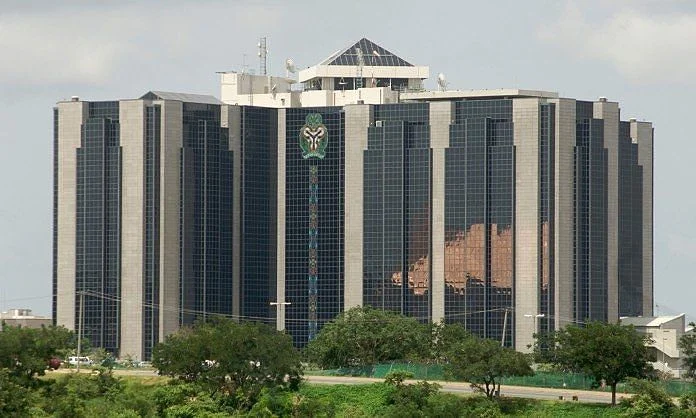
The Central Bank of Nigeria has successfully raised N8.14 trillion through Treasury bills issuances in the third quarter of 2026. This figure exceeds the Debt Management Office's target of N5.8 trillion by N2.34 trillion. The significant oversubscription reflects strong investor demand for government securities. A total of eight Nigerian Treasury Bills auctions were conducted between July and September. These auctions saw total allotments 40.34 percent above the planned issuance for the quarter.
The 364-day Treasury bill was the most popular instrument, accounting for the largest share of funds raised. It attracted N7.09 trillion, representing 87 percent of total allotments during the period. This concentration of borrowing in the one-year instrument can be attributed to high yields in July and August. These high yields sustained investor interest in government securities. The popularity of the 364-day bill reflects investor preference for shorter-term securities.
However, yields began to decline in September following a shift in monetary policy. The Central Bank of Nigeria lowered stop rates across the three tenors. The stop rate on the 364-day bill fell to 15.89 percent at the September 23 auction. This represents a decline from the quarterly peak of 17.70 percent recorded on July 8. The decline in yields reflects the change in borrowing costs in the primary Treasury bills market over the quarter.
A review of the eight Nigerian Treasury Bills auctions conducted between July and September provides insight into investor behavior. Total allotments were 40.34 percent above the planned issuance for the quarter. This significant oversubscription indicates strong investor demand for government securities. The Central Bank of Nigeria's ability to exceed its target reflects the attractiveness of Treasury bills as an investment option.
The decline in yields in September can be attributed to the Central Bank of Nigeria's shift in monetary policy. The bank lowered stop rates across the three tenors, making borrowing cheaper. This change in policy had a direct impact on the yields of Treasury bills. The stop rate on the 364-day bill decreased by 181 basis points over the quarter.
The Central Bank of Nigeria's success in raising N8.14 trillion through Treasury bills issuances has significant implications for the government's borrowing plans. The excess funds raised can be used to finance government projects and activities. The strong investor demand for government securities also reflects confidence in the Nigerian economy.
The Central Bank of Nigeria's monetary policy shift had a direct impact on the Treasury bills market. The decline in yields reflects the change in borrowing costs in the primary market. The bank's decision to lower stop rates across the three tenors made borrowing cheaper. This change in policy is expected to have a positive impact on the economy.
Key points
- The Central Bank of Nigeria raised N8.14 trillion through Treasury bills issuances in the third quarter of 2026, exceeding the Debt Management Office's target by N2.34 trillion.
- The 364-day Treasury bill accounted for 87 percent of total allotments during the period, attracting N7.09 trillion.
- Yields on Treasury bills began to decline in September following a shift in monetary policy, with the stop rate on the 364-day bill falling to 15.89 percent.