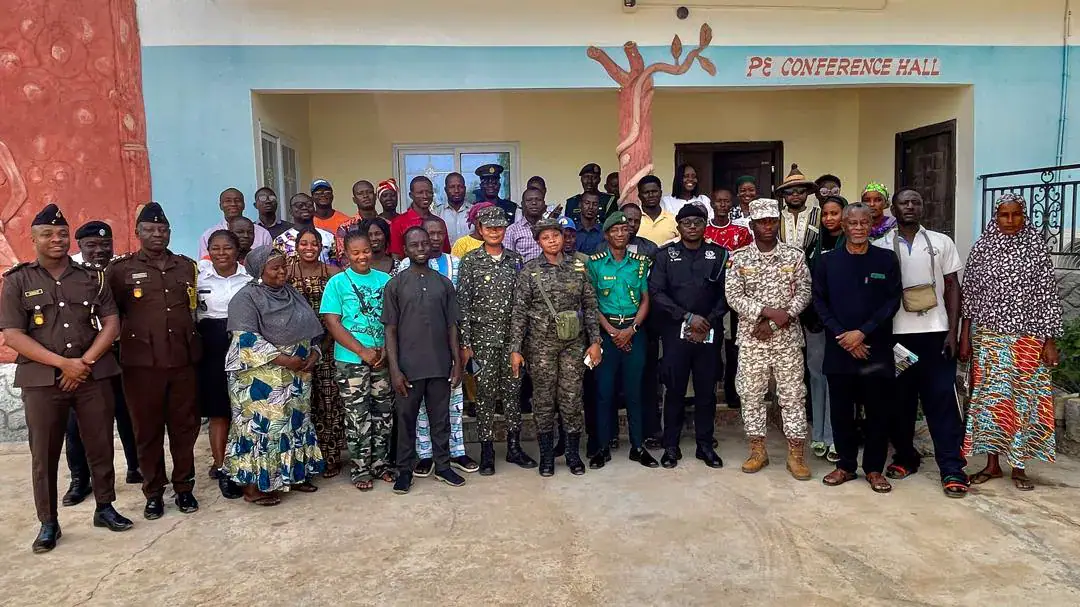
Catholic Relief Services (CRS) and the National Peace Council of Ghana have successfully concluded a peace dialogue in the Upper East Region. The dialogue aimed to strengthen relationships between the Fulbe community, host communities, and security services. This initiative is part of the Prevention of Violent Extremism through Social Accountability (PoVETSA) project, funded by the Netherlands Ministry of Foreign Affairs. The project seeks to promote peaceful coexistence and enhance social cohesion.
The peace dialogue comes at a critical time as security threats escalate across West Africa and the Sahel. Neighboring countries, particularly Burkina Faso, have experienced persistent violent extremist attacks. Ghana remains largely peaceful, but experts caution that challenges such as youth unemployment, socio-economic inequality, and social exclusion can create conditions that extremist groups may seek to exploit. Addressing these vulnerabilities is essential to building resilient communities.
Participants engaged in interactive sessions on conflict prevention, peaceful coexistence, and community-security collaboration. Discussions focused on strengthening mutual trust between the Fulbe community, host communities, and security services. They also addressed stereotypes and misconceptions, and identified practical approaches for resolving grievances through dialogue. The role of citizens and security actors in promoting early warning and social cohesion was also explored.
Adelaide Yiriyelleh, PoVETSA Project Manager at CRS Ghana, emphasized the importance of building trust between communities and security services. She stated that inclusive engagement can address grievances, promote mutual understanding, and strengthen community resilience. The dialogue brought together the Fulbe community, host communities, and security actors to create opportunities for collaboration that can help safeguard peace and stability in northern Ghana.
Mr. Ali Anankpieng, former executive secretary of the Upper East Peace Council, stressed the need for a whole-of-society approach to preventing violent extremism. He emphasized that preventing violent extremism is a shared responsibility that requires the active involvement of communities, traditional authorities, civil society organizations, youth, women, and security agencies. Building trust and fostering open communication between citizens and security services are critical to identifying and addressing potential threats.
Mr. David Angaamba, Principal Programme Manager of the Upper East Regional Peace Council, highlighted the importance of dialogue and inclusive engagement in fostering peaceful coexistence. He stated that peace is built through understanding, mutual respect, and continuous engagement. Creating spaces for dialogue between communities and security services can address misconceptions, strengthen trust, and collectively promote a more peaceful and secure society.
The peace dialogue forms part of a series of peacebuilding activities under the PoVETSA project. The project is implemented by CRS in collaboration with the National Peace Council. As the programme concluded, one message was clear: lasting peace and resilience against violent extremism depend on trust, dialogue, and collaboration between communities and security services.
Key points
- Catholic Relief Services and National Peace Council conclude peace dialogue in Ghana's Upper East Region to strengthen community resilience against violent extremism.
- The dialogue aimed to promote peaceful coexistence and enhance social cohesion between the Fulbe community, host communities, and security services.
- Building trust and fostering open communication between citizens and security services are critical to preventing violent extremism in Ghana.