A recent study published in The Lancet Oncology has found that global cancer cases have increased by 229% since 1990, rising from approximately 467,000 to 1.54 million in 2023. This significant surge highlights growing concerns for healthcare systems worldwide, particularly in Africa. The study, part of the Global Burden of Disease (GBD) 2023 research, also reports that cancer caused an estimated 923,000 deaths and 33.9 million disability-adjusted life years (DALYs) globally in 2023.
The study paints a particularly troubling picture for Africa, where 10.7 million DALYs and 306,000 cancer deaths in 2023 were linked to 88 identified risk factors. These factors accounted for 31.6% of total DALYs and 33.1% of total cancer deaths in Africa that year. The research highlights that breast cancer, cervical cancer, prostate cancer, liver cancer, and colorectal cancer were the leading cancer types by incidence in 2023.
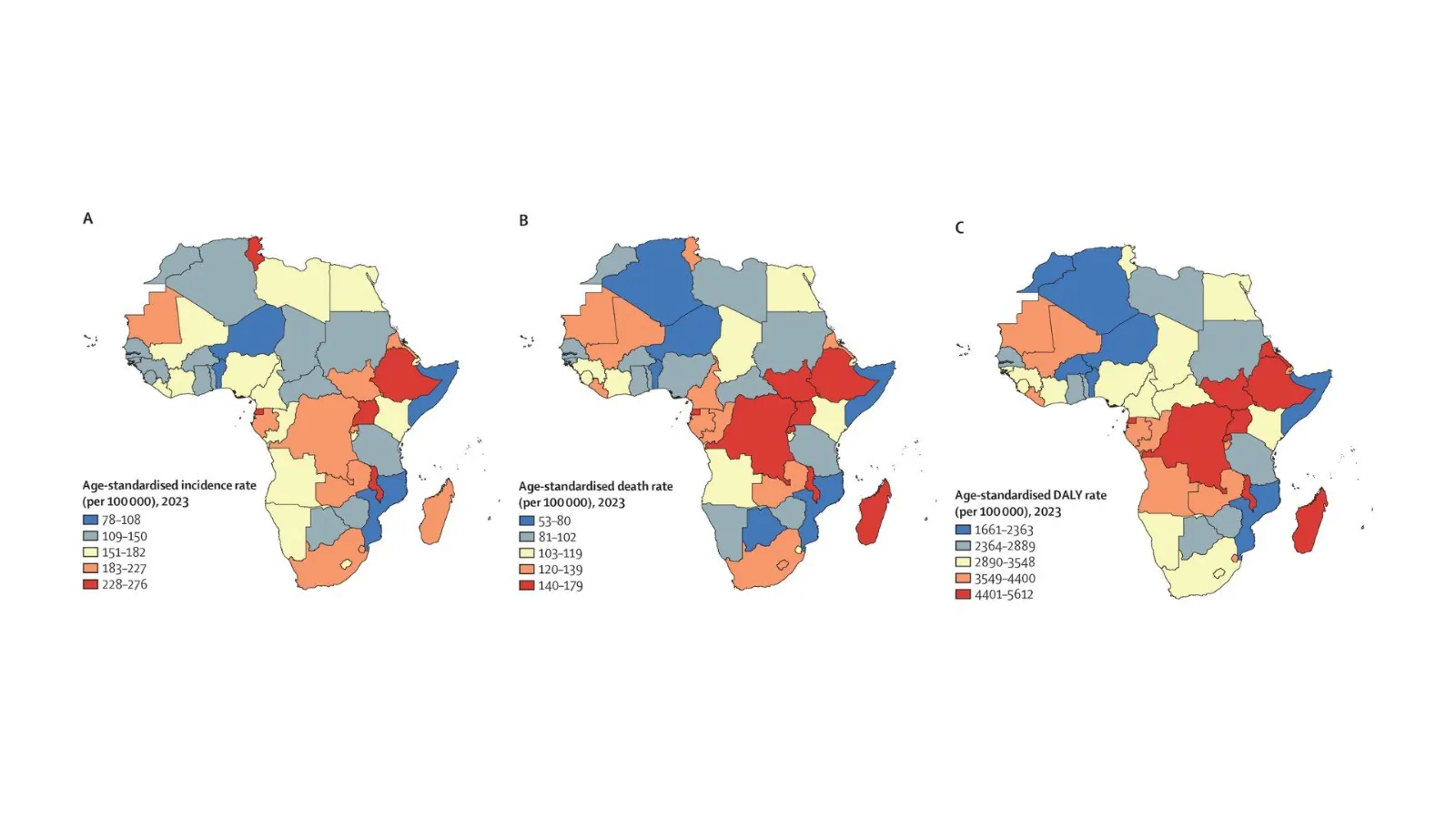
Breast and cervical cancers disproportionately affect African women, echoing long-standing concerns raised by health advocates about screening gaps and late-stage diagnoses across the continent. East African countries, including Ethiopia and Kenya, appear among the most affected by incidence, death, and DALY rates. However, the study does not single out Ghana specifically, and country-level figures for West Africa are not broken down.
Ghana's health system, like many across sub-Saharan Africa, has struggled with limited radiotherapy machines, uneven access to screening, and high out-of-pocket treatment costs for patients diagnosed with cancer. The study's findings on breast and cervical cancers are significant for Ghana, where public health messaging has repeatedly urged women to seek early screening for both diseases.
The GBD 2023 study applied established Global Burden of Disease methodology to estimate cancer cases, deaths, and disability across all 54 African countries and globally, drawing on data stretching back to 1990. The research covered 48 cancer types and examined how 88 modifiable risk factors contribute to cancer deaths and lost healthy life years.
The researchers concluded that cancer's growing toll in Africa, particularly among children, adolescents, and young adults, runs counter to targets set under the United Nations Sustainable Development Goals for 2030 and the African Union's Agenda 2063. They called for coordinated national and international action, including strengthening health systems and adopting cancer-control strategies tailored to local contexts.
The study was funded by the Gates Foundation, according to reports. While the sources do not specify any planned Ghana-specific policy response or timeline for implementing such measures, the study's findings emphasize the need for stronger prevention and early-detection systems to mitigate the growing burden of cancer on hospitals and families.
Key points
- Global cancer cases surged 229% between 1990 and 2023.
- Africa shoulders a disproportionate share of cancer deaths, with 306,000 deaths in 2023.
- Breast and cervical cancers disproportionately affect African women, highlighting the need for improved screening and early detection.