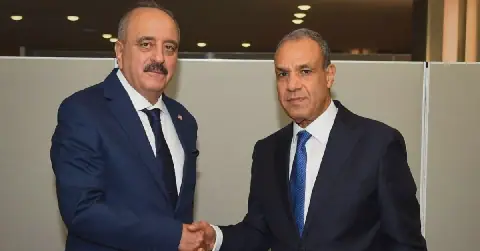
Technology and media expert Job Mwadkon Dachungyang has cautioned that artificial intelligence-powered disinformation, deepfakes, and coordinated online propaganda pose a growing threat to Nigeria's security architecture and public trust. He made this statement while delivering a keynote address at a media workshop organised by the Directorate of Army Public Relations in Jos, Nigeria. The workshop brought together Army public relations officers, media practitioners, and communication personnel from other security agencies.
Dachungyang noted that modern security operations now unfold on two battlefields: the physical environment and the fast-moving digital information space. The widespread use of smartphones and social media means information about security incidents often reaches millions before authorities verify the facts. This speed complicates joint operations involving multiple agencies with different communication structures. As a result, security agencies face significant challenges in responding effectively to security incidents.
The expert explained that while artificial intelligence offers opportunities for real-time sentiment analysis, threat monitoring, and early crisis detection, it also introduces new vulnerabilities. AI-generated fake videos, audio recordings, and official-looking messages could mislead the public, disrupt operations, or imitate senior commanders to circulate false instructions. Deepfakes, in particular, are a dangerous tool, as fabricated content could trigger panic or confusion among security personnel and civilians.
Dachungyang identified delays in official communication as a major weakness in Nigeria's security operations. When verified information is not released quickly, rumours and speculation fill the gap. He urged security institutions to adopt faster verification and communication systems capable of matching the speed of online misinformation. This would help to prevent the spread of false information and ensure that the public receives accurate information in a timely manner.
The technology expert also highlighted communication silos among the military, police, intelligence agencies, and other security institutions. Conflicting statements can undermine otherwise successful operations and erode public confidence. He argued that media and public relations must be integrated into operational planning from the start, not treated as an administrative afterthought. Effective communication is critical to building public trust and ensuring the success of security operations.
According to Dachungyang, public trust is now a core element of national security. Communities are more likely to cooperate with security agencies when institutions demonstrate credibility, consistency, clarity, speed, and transparency. Stronger trust improves the flow of information from citizens to security agencies, especially in areas affected by insecurity. This, in turn, enables security agencies to respond more effectively to security incidents.
To counter emerging digital threats, Dachungyang recommended the establishment of AI verification and fact-checking units capable of detecting deepfakes, investigating coordinated online manipulation, and verifying digital content. He also proposed multi-agency media intelligence frameworks to ensure real-time coordination during joint operations. Furthermore, he called for deeper collaboration between security institutions, media organisations, and judicial authorities to tackle malicious disinformation and digital manipulation.
Key points
- Expert warns AI-powered disinformation poses growing threat to Nigeria's security architecture and public trust.
- Delays in official communication and communication silos among security institutions undermine security operations.
- Public trust is a core element of national security, and security agencies must demonstrate credibility, consistency, clarity, speed, and transparency.