The Canadian government has announced an extension of travel restrictions imposed on Uganda and neighboring countries due to the ongoing Ebola outbreak in the Democratic Republic of Congo (DRC). The restrictions, first introduced in May, have been extended until November 27, 2026. This decision comes despite Uganda being declared Ebola-free by the World Health Organization (WHO) on August 26, 2026.
Under the extended measures, immigration processing remains suspended for residents of countries classified as having a high or very high risk of an Ebola outbreak. The countries listed include the DRC, Uganda, and South Sudan. People whose last country of residence was one of these three countries cannot travel to Canada at this time, even if they have an approved visa, permit, or electronic travel authorization.
The Ugandan government has previously protested the restrictions, arguing that the country is being unfairly grouped with the DRC despite differences in the nature of the outbreaks. Uganda recorded 20 Ebola cases during the outbreak, with 15 cases being Congolese nationals. The remaining five cases were healthcare workers who had cared for the affected patients and a driver. Two patients died from complications related to the disease.
The Ugandan government has maintained that the cases involving Congolese nationals were linked largely to medical care and that appropriate infection-control measures prevented wider transmission within the local population. This assertion is supported by the fact that Uganda completed 42 consecutive days without recording a new case, leading to the WHO declaring the country Ebola-free.
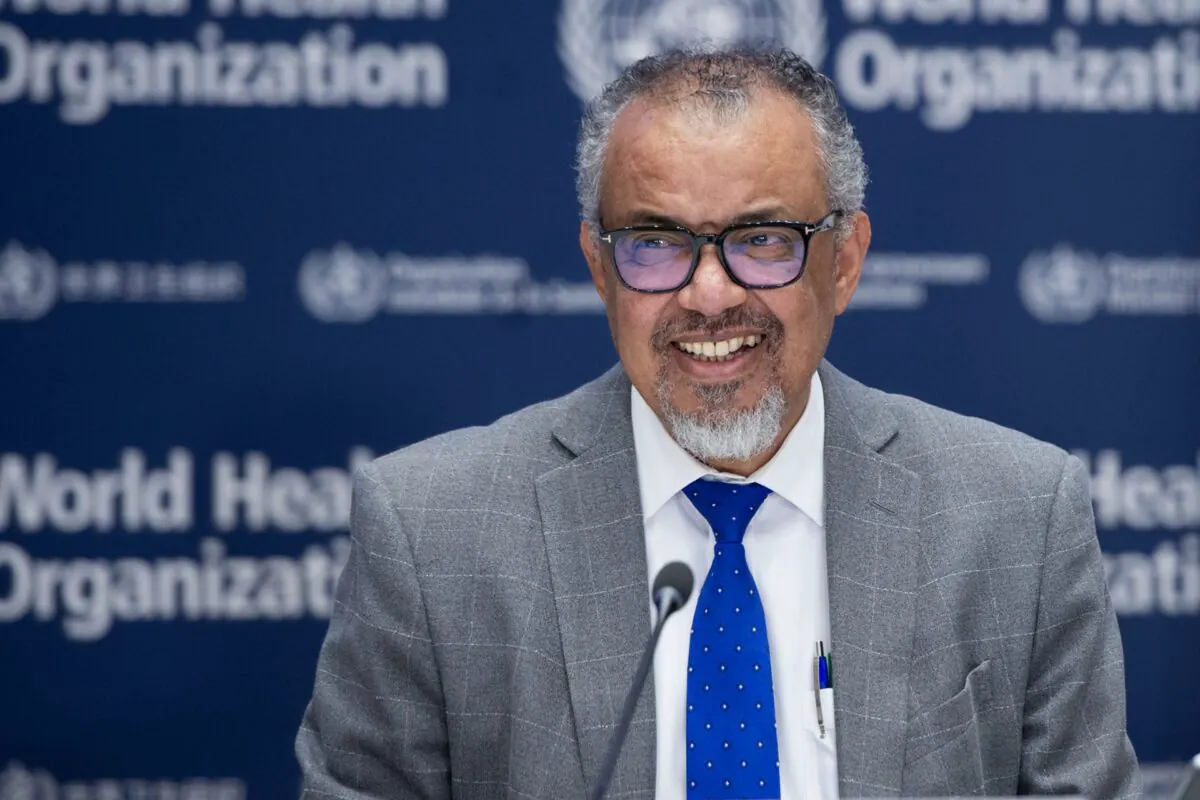
World Health Organization Director-General Dr. Tedros Adhanom Ghebreyesus has criticized blanket travel restrictions linked to Ebola outbreaks, stating that such measures are not supported by scientific evidence and can negatively affect economies. His comments highlight the ongoing debate about the effectiveness of travel restrictions in controlling the spread of diseases.
The Canadian government's decision to extend the travel restrictions has significant implications for individuals planning to travel to Canada from the affected countries. Those with approved visas, permits, or electronic travel authorizations will still be unable to travel to Canada under the current restrictions. This has caused concern among those who rely on travel to Canada for business, education, or other purposes.
The extension of travel restrictions by Canada reflects the country's cautious approach to managing the risk of Ebola transmission. While Uganda has been declared Ebola-free, the ongoing outbreak in the DRC continues to pose a risk, and Canada's measures aim to mitigate this risk. The restrictions will remain in place until November 27, 2026, and it remains to be seen if they will be lifted or modified after that date.
Key points
- Canada extends travel restrictions on Uganda and neighboring countries over Ebola concerns until November 27, 2026.
- The restrictions apply to residents of countries classified as having a high or very high risk of an Ebola outbreak, including the DRC, Uganda, and South Sudan.
- The Ugandan government has protested the restrictions, arguing that the country is being unfairly grouped with the DRC despite differences in the nature of the outbreaks.