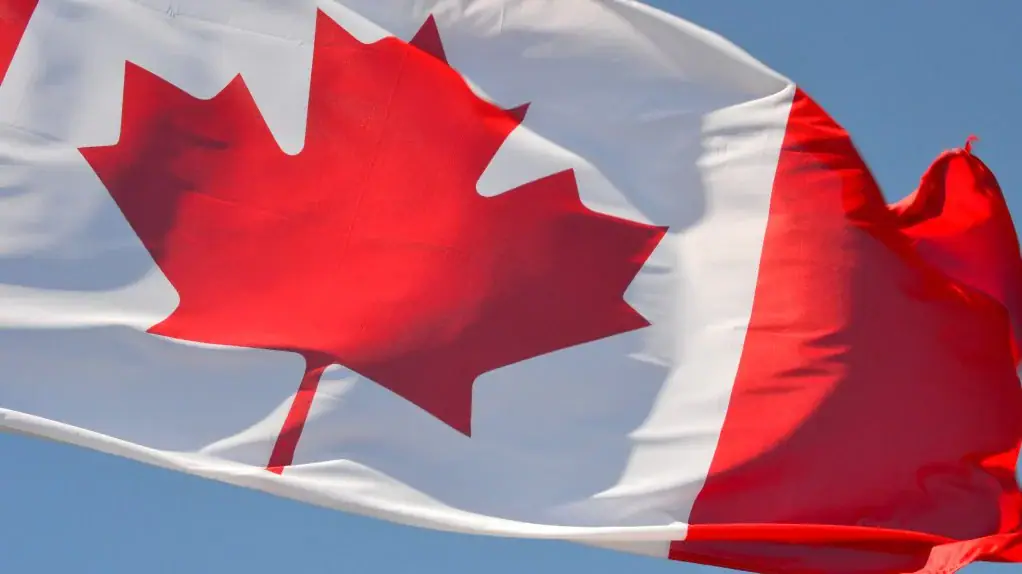
Canada has announced plans to deny Russian athletes entry to the 2026 Junior Ice Hockey World Championships, effectively barring Russia's Under-20 national team from participating in the tournament. The International Ice Hockey Federation (IIHF) confirmed Russia's exclusion in a statement, citing restrictions communicated by the Canadian government. The tournament is scheduled to take place from December 26, 2026, to January 5, 2027, in Edmonton and Red Deer.
The IIHF had considered alternative arrangements but decided to retain Canada as the host nation. The federation stated that it had carefully assessed the feasibility of alternative arrangements and determined that Canada would remain as host. Russia's exclusion has drawn criticism from the Russian Ice Hockey Federation, which described the decision as "unacceptable and unlawful" and vowed to appeal to the International Olympic Committee (IOC).
Russia had been suspended from IIHF competitions since its invasion of Ukraine in 2022. However, the Court of Arbitration for Sport overturned the ban last month, ruling that the federation's safety and security arguments were "not supported by sufficient evidence". The court subsequently ordered the IIHF to allow Russia to participate in its competitions. The ruling was welcomed by Russia but opposed by Ukraine and some sponsors of the Junior World Championships.
The situation became more complicated after six European ice hockey federations threatened to boycott matches against Russia if the country were allowed to participate. Canada's decision to deny entry to Russian athletes has now effectively ended hopes of Russia featuring in the tournament. This development is part of a wider debate over Russia's possible return to international sport following its invasion of Ukraine.
Norway, Finland, and Estonia have also announced plans to block visas for Russian and Belarusian athletes. Norway is preparing to host the Cross-Country World Cup next month, while Finland is scheduled to stage the World Figure Skating Championships in March. The International Skating Union (ISU) has defended the participation rights of athletes, saying it believes they should not be penalized for the actions of their governments.
Several Russian and Belarusian athletes were allowed to compete under their national flags at the Winter Paralympics in March after the International Paralympic Committee lifted some restrictions. In July, the IOC also provisionally reinstated Russia to its competitions, declaring that a ban introduced in 2023 was "no longer applicable". However, individual international sports federations retain the authority to determine their own eligibility requirements.
The decision to bar Russia from the 2026 Junior Ice Hockey World Championships has sparked a renewed debate about the participation of Russian athletes in international sports. While some federations have lifted restrictions on Russian athletes, others have maintained their bans. The Russian Ice Hockey Federation's appeal to the IOC is likely to add to the ongoing controversy surrounding Russia's participation in international sports.
Key points
- Canada's decision to deny entry to Russian athletes has effectively barred Russia's Under-20 national team from participating in the 2026 Junior Ice Hockey World Championships.
- The IIHF had considered alternative arrangements but decided to retain Canada as the host nation.
- Russia's exclusion has drawn criticism from the Russian Ice Hockey Federation, which described the decision as "unacceptable and unlawful".