Tanzania's ambition to build a $1 trillion economy by 2050 depends on young people translating development plans into productive economic activities. The country needs approximately $800 billion in additional economic output to achieve this target. Broader participation in productive sectors, greater access to economic opportunities, and effective implementation of development policies are crucial. However, many young Tanzanians struggle to understand national development ambitions and identify ways to benefit from them.
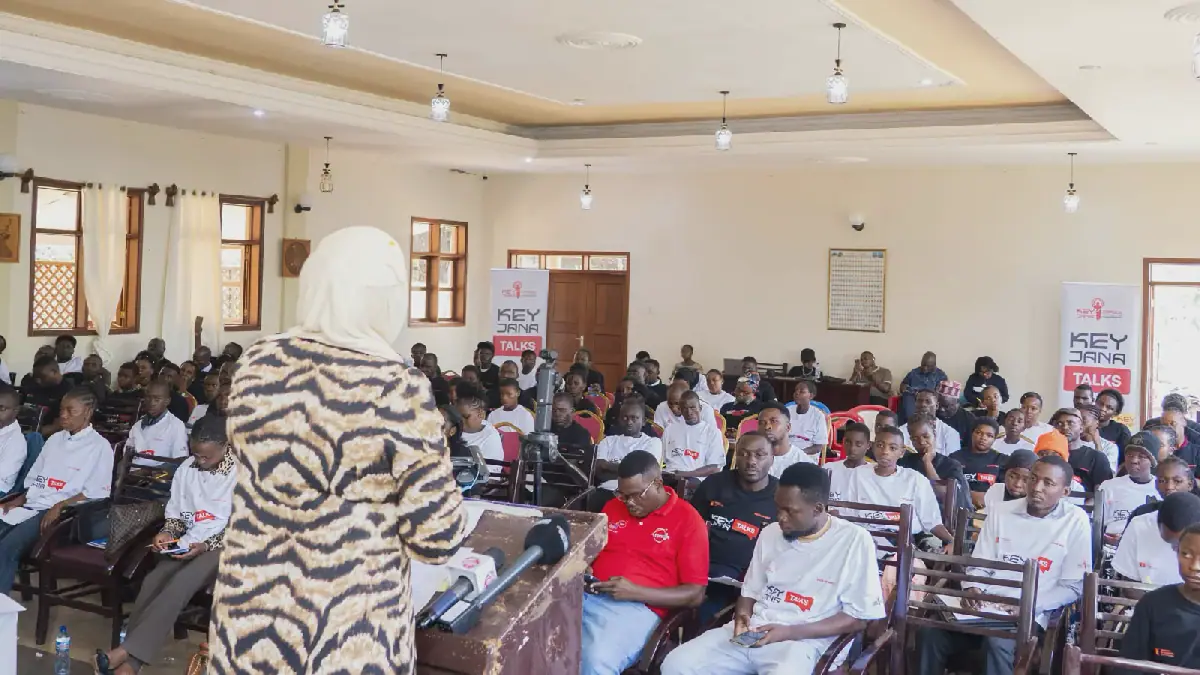
The Keyjana Talks initiative, implemented under the Keyjana Impact Project, aims to address this gap by helping young people understand development policies, identify opportunities, and hold public institutions accountable for commitments affecting their livelihoods. The project, which began in 12 regions, has expanded to Ruvuma Region, providing another platform for young people to exchange ideas and explore locally available economic opportunities. The initiative aims to reach over 600,000 young people within 18 months.
ActionAid Tanzania National Youth Programmes Coordinator Arif Fazal stated that the initiative enables young people to participate actively in social and economic transformation. ActionAid Tanzania, established in 1998, works with young people, children, and women to promote their participation in development. The organization's interventions include climate change adaptation, environmentally friendly practices, safe sanitation, improved learning environments, and skills development, all of which are connected to young people's economic prospects.
Through Keyjana Talks, participants identify community challenges, discuss development priorities, and communicate their concerns to local government authorities. However, participation is meaningful only when young people understand the policies they are discussing and know how these translate into opportunities within their communities. Dr. Julius Muhindi, the program's implementer, emphasized that implementing the Sustainable Development Goals requires empowering young people with education, skills, and capital.
Songea District Administrative Secretary Mwanaidi Nondo highlighted the challenges of unemployment and climate change, which require investment in youth education and capacity-building. The government has made efforts to inform young people about available loans, capital, vocational training, and support from institutions such as the Vocational Education and Training Authority (VETA) and the Small Industries Development Organisation (SIDO). Nondo urged young people to take responsibility for exploring these opportunities.
Participants from Mbinga and Songea, such as Happiness Lamtei and Sospeter Johnbosco, reported gaining knowledge, exchanging experiences, and better understanding their role in development. Lamtei intends to explore the blue economy through fish farming and the green economy through sustainable use of forests and other natural resources. She also plans to venture into agriculture, utilizing coffee farming opportunities in Mbinga.
Turning these plans into sustainable businesses will depend on factors such as access to land, financing, agricultural inputs, technical advice, and markets. The experiences of participants illustrate how development information can encourage young people to consider economic activities suited to their local conditions. Ultimately, the success of Tanzania's Vision 2050 will depend on the ability of young people to access the resources and support needed to turn their plans into reality.
Key points
- Tanzania aims to expand its economy from $193 billion to $1 trillion by 2050.
- The Keyjana Talks initiative aims to reach over 600,000 young people within 18 months.
- Young people's participation in economic activities is crucial for achieving Tanzania's development goals.