Nigerians are feeling the pinch of escalating fuel prices, which have become a critical factor in household budgets, transportation costs, and the overall economy. The debate over fuel subsidies has resurfaced, with Atiku Abubakar proposing targeted support for local refining instead of reviving import subsidies. The government's rejection of outright subsidy restoration has sparked a heated discussion, with many questioning the feasibility of subsidizing fuel in the current global energy landscape.
The world energy market has become increasingly unpredictable, with the U.S.-Iran conflict and Red Sea disruption contributing to the uncertainty. The Houthis' threat to shipping at Bab el-Mandeb and Saudi Arabia's shutdown of its East-West pipeline after attacks have added strain to the system. In 2025, nearly 20 million barrels a day moved through the Strait of Hormuz, a quarter of the global seaborne oil trade. The International Energy Agency (IEA) reports disruptions delaying normalization of flows, projecting 2026 supply at 100.7 million barrels per day, 5.7 million below 2025.
Nigeria, as an oil producer, is not insulated from the shocks in the global energy market. The removal of fuel subsidies in 2023 reshaped the economics of movement and production, with headline inflation rising to 22.04 percent in March 2023. Transport and food costs surged, and by October 2023, the average cost of a healthy diet had climbed to N703 per adult per day. The National Bureau of Statistics reported that this cost had increased to N1,255 by August 2024.
The IMF estimates that the savings associated with Nigeria's fuel-subsidy removal could reach up to 2 percent of GDP. The organization has also argued that maintaining the reform is crucial for fiscal sustainability while strengthening social protection. However, Nigeria cannot simultaneously promise permanently cheap fuel, absorb large international price increases, maintain fiscal stability, and assume that the subsidy bill will remain manageable.
The debate over subsidies is not just about whether they should return but also about what Nigeria should subsidize, for whom, under what conditions, and for how long. Domestic refining has changed the calculation, with Nigeria now having substantial domestic refining capacity, particularly through the Dangote Refinery. Industry data reported in 2026 put domestic petrol supply at roughly 39.5 million liters per day, with Dangote accounting for a major share.
Supporting domestic production can potentially reduce import dependence while strengthening a strategic national capability. However, Nigerian refiners still face crude costs, financing costs, logistics, operating costs, and the international opportunity cost of crude. Government intervention should not become an opaque mechanism for transferring public money to private producers, and measurable rules should be put in place to ensure transparency and accountability.
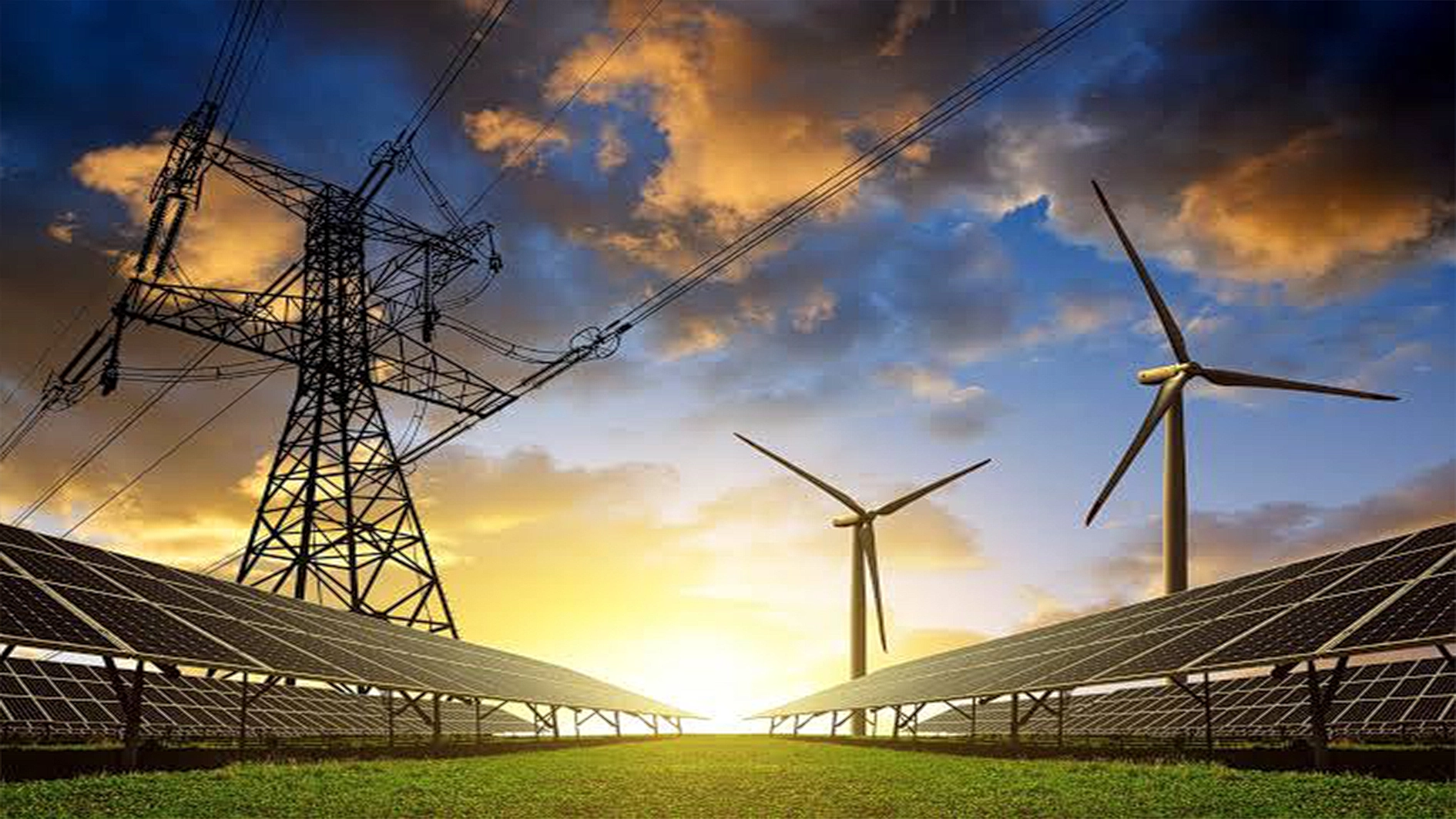
Nigeria needs an energy-shock strategy, not just a petrol-price strategy. This requires reliable electricity, gas for industry and power, and stronger public transport and rail freight. It also means diversifying energy sources and having a social-protection system that can respond to exceptional shocks without permanently subsidizing consumption. A temporary subsidy during an extraordinary geopolitical disruption can be a crisis-response instrument, but it should not become a permanent entitlement.
Key points
- Nigeria's fuel subsidy debate has resurfaced amid global energy market turmoil
- The country's domestic refining capacity has changed the subsidy calculation
- Nigeria needs a comprehensive energy-shock strategy to mitigate the impact of global energy shocks