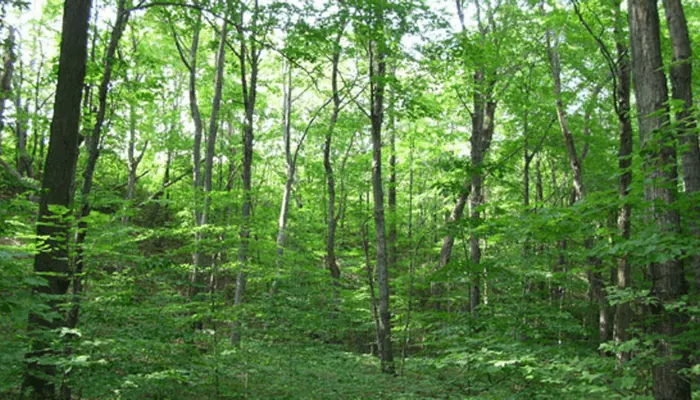
Nigeria's forests have long been viewed as a source of extraction, with timber, firewood, and charcoal being the primary focus. However, a new approach to forestry, known as a forest economy, is gaining traction. This concept connects restoration with productive enterprise, including agroforestry, sustainable timber, and ecotourism. By adopting this approach, Nigeria can unlock the economic potential of its forests while promoting environmental sustainability. A forest economy offers a range of benefits, including job creation, improved livelihoods, and enhanced biodiversity.
Agroforestry is a key component of a forest economy, allowing farmers to integrate trees with food production. This approach can improve soil health, provide shade, and diversify income streams. Across Africa, the African Forest Landscape Restoration Initiative (AFR100) has attracted commitments from 34 countries to restore over 100 million hectares of degraded landscapes by 2030. Nigeria can learn from this initiative and develop its own strategy for forest restoration and sustainable development. By doing so, the country can create new economic opportunities while addressing environmental challenges.
A forest economy can generate a range of economic benefits, from seed collection and nursery management to forest maintenance and monitoring. Communities can develop enterprises around non-timber forest products, such as honey, fruits, and medicinal plants. Technology companies can provide satellite and geospatial monitoring, while scientists can measure biodiversity and carbon emissions. By creating a forest economy, Nigeria can unlock new job opportunities and income streams for local communities. This approach can also help to promote sustainable livelihoods and reduce poverty.
Carbon finance can play a crucial role in supporting a forest economy. Well-designed restoration projects can generate measurable carbon value and attract climate finance. However, Nigeria must ensure that carbon finance is not the only focus of a forest economy. Instead, it should be one revenue stream among many, with a focus on sustainable development and environmental protection. Projects must demonstrate credible baselines, additionality, and long-term monitoring, as well as transparent benefit-sharing and strong environmental and social safeguards.
Forests also provide important health infrastructure, supporting clean air, freshwater, food, and medicines. The World Health Organisation has emphasized the importance of healthy ecosystems in supporting human wellbeing. Forest loss can have significant negative impacts on health, agricultural productivity, and livelihoods. By protecting and restoring forests, Nigeria can promote sustainable development and improve the health and wellbeing of its citizens. This approach can also help to address the country's environmental challenges, including climate change and biodiversity loss.
To build a forest economy, Nigeria needs a national strategy that connects forestry, agriculture, climate policy, industry, finance, academia, and communities. This strategy should include reliable forest inventories and data, clear land and carbon rights, and restoration standards. The country also needs incentives for agroforestry and sustainable forest enterprises, as well as financing for community businesses and stronger research partnerships. By developing a comprehensive strategy, Nigeria can unlock the economic potential of its forests while promoting environmental sustainability.
The development of a forest economy requires a long-term commitment to sustainable development and environmental protection. It involves creating new economic opportunities, improving livelihoods, and enhancing biodiversity. According to Sarah Esangbedo Ajose-Adeogun, Founder and Managing Partner of Teasoo Consulting Limited, Nigeria has the potential to build an economy that earns more from forests alive than from forests destroyed. With the right strategy and approach, the country can unlock the economic benefits of its forests while promoting sustainable development and environmental protection.
Key points
- Nigeria can build a forest economy by adopting a comprehensive strategy that connects forestry, agriculture, climate policy, industry, finance, academia, and communities.
- A forest economy can generate a range of economic benefits, including job creation, improved livelihoods, and enhanced biodiversity.
- Carbon finance can play a crucial role in supporting a forest economy, but it should not be the only focus of sustainable development efforts.