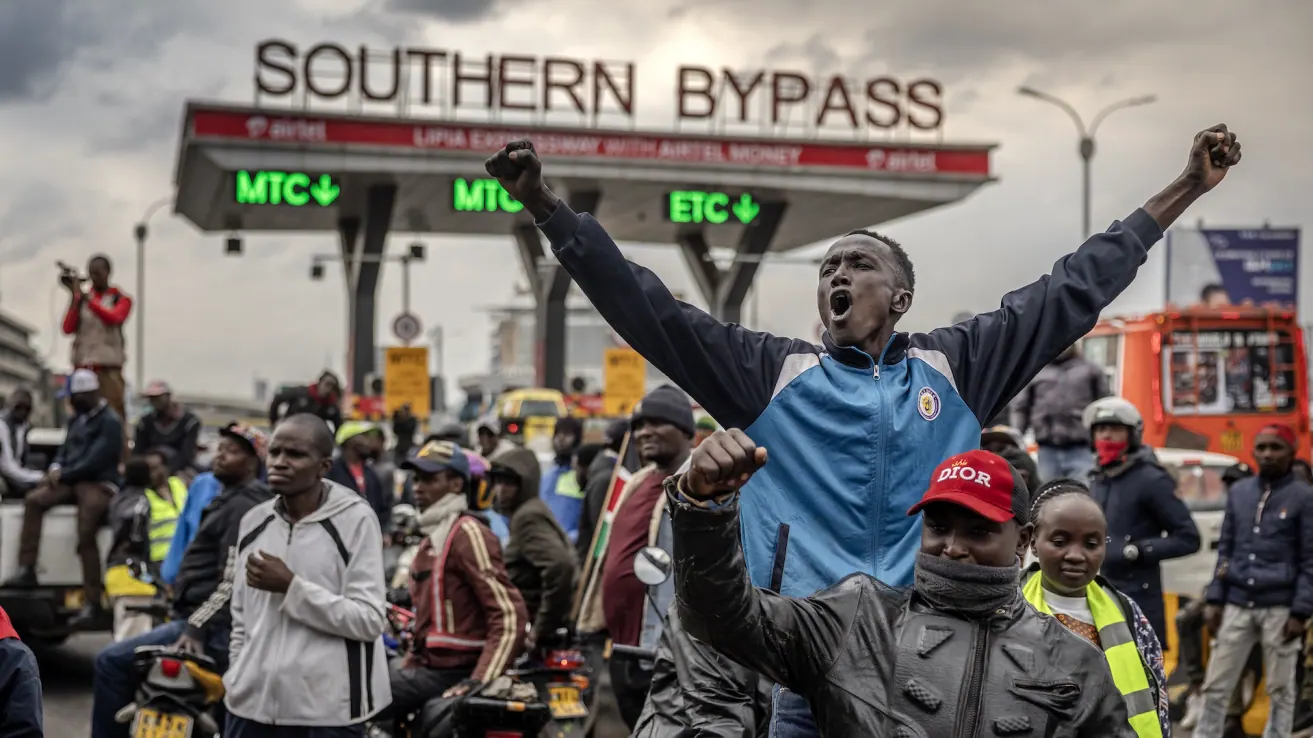
Kenya is facing a worrying trend of political intolerance as general elections approach in 2027. An attack at an opposition rally in Homa Bay, western Kenya, in August, resulted in two deaths, 46 injuries, and six vehicles being torched. The incident highlights the growing concern of 'political goonism,' where young people are enticed with money and alcohol to disrupt political functions and influence competition.
A report by the Kofi Annan Foundation's Electoral Vulnerability Index in June 2026 revealed an 84% probability of violence during the 2027 general elections. The report cited patronage competition along ethnic lines, youth mobilisation, economic grievances, and police conduct in managing protests as possible triggers. This has raised concerns about the potential for deadly electoral violence in 2027.
Politicians recruit young people, taking advantage of weak and selective police investigations, and pay them as little as $3.5-$10 to intimidate and attack their rivals' supporters. A National Crime Research Centre study found that 309 local criminal gangs operate in 11 counties alone. The goon economy offers short-term relief to the high number of unemployed youth, with political violence providing a lucrative opportunity.
Kenya's political violence dates back to discriminatory land policies during colonialism, and successive administrations have been accused of lax law enforcement against political goonism. The country has experienced violence during every ballot since multiparty democracy was introduced in 1992. The trend towards lower levels of violence during the 1997 and 2002 elections was crushed by the brutal 2007/8 post-election clashes that killed over 1,000 people.
The National Council of Churches of Kenya blamed an attack on a civil rights group meeting in Nairobi's All Saints' Cathedral in June 2026 on an unnamed government official. No one has been held accountable for the attack. In July, hooded armed men in unmarked high-end vehicles stormed polling stations during a by-election in Ol Kalou Constituency, clashing with a group of youths and assaulting journalists.
The Independent Electoral and Boundaries Commission has not disqualified candidates who resort to violence, and the National Cohesion and Integration Commission's summonses to political leaders accused of spreading hate speech have often gone unanswered. This culture of impunity persists despite Kenya's democratic gains, and it is feared that political goonism risks driving Kenya down the road to deadly electoral violence in 2027.
To mitigate this risk, the Ministry of Interior and National Administration, the National Cohesion and Integration Commission, and the National Police Service must work together to ensure that those contravening the law are arrested and prosecuted, regardless of social or political status. The government should also create community outreach support programmes with a structured platform for youth to engage in peaceful activities.
Key points
- The 2027 general elections in Kenya are at risk of being marred by violence due to the growing trend of 'political goonism.'
- Politicians who bankroll youth gangs to disrupt rallies and polling stations often go unpunished.
- To prevent electoral violence, the government must take action to address the root causes of the problem and ensure that those responsible are held accountable.