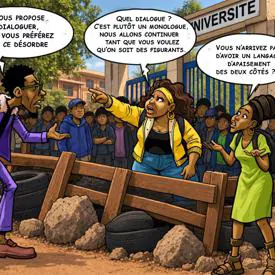
A recent episode of "C'est le ton qui fait la panique" (It's the Tone that Creates Panic) on Radio Okapi examined the consequences of using confrontational language in the Democratic Republic of Congo. Hosts Jocelyne Musau and Detyna Salumu discussed the topic with politologist Alidor Tshibanda, focusing on how such language can lead to increased tensions and violence. The conversation highlighted the importance of responsible communication in conflict resolution.
The discussion centered on the role of leaders and citizens in promoting constructive dialogue. Tshibanda emphasized that the tone used in public discourse can significantly impact the escalation of conflicts. The episode aimed to raise awareness about the dangers of inflammatory language and encourage listeners to adopt more constructive forms of expression. By exploring these issues, Radio Okapi seeks to promote a culture of peace and responsible communication.
The episode is part of a series of programs on Radio Okapi that address social and political issues in the DRC. "C'est le ton qui fait la panique" is a platform for experts and stakeholders to discuss pressing topics and offer insights into the complexities of Congolese society. By engaging with these issues, Radio Okapi aims to foster a more informed and engaged citizenry.
The use of confrontational language has been a concern in the DRC, particularly in the context of politics and social activism. The country's history has shown that inflammatory rhetoric can contribute to the escalation of conflicts, sometimes leading to violence. As a result, there is a growing recognition of the need for more constructive and respectful forms of communication.
Radio Okapi's initiative to explore these issues is part of a broader effort to promote peace and stability in the DRC. By engaging with experts and stakeholders, the radio station aims to raise awareness about the importance of responsible communication and promote a culture of dialogue and understanding. This approach is seen as essential in preventing the escalation of conflicts and promoting sustainable peace.
The discussion on "C'est le ton qui fait la panique" also touched on the role of the media in shaping public discourse. As a major source of information in the DRC, Radio Okapi recognizes its responsibility to promote responsible communication and constructive dialogue. By engaging with these issues, the radio station aims to set an example for other media outlets and contribute to a more informed and engaged public sphere.
The episode on confrontational language and violence is available online, allowing listeners to engage with the topic at their convenience. Radio Okapi encourages listeners to share their thoughts and opinions on the issue, fostering a sense of community and promoting further discussion. By engaging with these issues, Radio Okapi aims to contribute to a more peaceful and stable society in the DRC.
Key points
- The use of confrontational language can contribute to the escalation of conflicts and violence in the Democratic Republic of Congo.