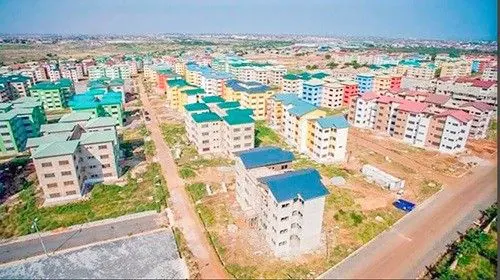
The dream of owning a home is a significant aspiration for many Ghanaians, but the challenge lies in making it affordable while ensuring sustainability and commercial viability. This pressing issue has sparked a national conversation about the feasibility of balancing these competing demands. As Ghana continues to grapple with a housing deficit, stakeholders are exploring innovative solutions to address the needs of low-income earners. The question remains whether it is possible to create affordable housing that is both sustainable and commercially viable.
According to Adwoa Yeboah Asante Afari, a prominent voice in Ghana's real estate sector, the conversation around affordable housing is gaining traction. In a recent publication, Afari pondered the possibility of creating sustainable and commercially viable affordable housing in Ghana. The article sparked a lively debate, with many stakeholders weighing in on the issue. The discussion highlights the complexities involved in addressing Ghana's housing needs, particularly in terms of affordability and sustainability.
Ghana's housing deficit is a pressing concern, with many citizens struggling to access affordable housing options. The government's efforts to address this issue have been met with mixed results, with some initiatives yielding positive outcomes while others have faced significant challenges. The private sector has also played a crucial role in providing housing solutions, but the high cost of construction and materials has limited the availability of affordable options.
The concept of green finance has gained significant attention in recent years, with many businesses and investors recognizing its importance in addressing climate change. In Ghana, green finance has become increasingly relevant, particularly in the real estate sector. By incorporating sustainable practices and materials into housing construction, developers can reduce the environmental impact of their projects while also making them more affordable.
The International Finance Corporation (IFC) has been actively involved in supporting Ghana's economic growth through strategic investments. The IFC's investment pipeline has been designed to catalyze economic expansion, with a focus on key sectors such as infrastructure and housing. By providing financing for affordable housing projects, the IFC aims to help address Ghana's housing deficit while promoting sustainable and commercially viable solutions.
The conversation around affordable housing in Ghana has significant implications for the country's economic growth and development. By prioritizing sustainable and commercially viable housing solutions, Ghana can create a more inclusive and prosperous economy. The government's efforts to promote affordable housing, combined with private sector innovation, can help address the country's housing needs while driving economic growth.
As Ghana continues to navigate the complexities of affordable housing, stakeholders must work together to develop innovative solutions that balance sustainability and commercial viability. By leveraging expertise from various sectors, including finance, construction, and policy, Ghana can create a more sustainable and equitable housing market. The outcome will have far-reaching implications for the country's economic growth, social stability, and overall development.
Key points
- Ghana's affordable housing quest raises questions about sustainability and commercial viability.
- The IFC is supporting Ghana's economic growth through strategic investments in key sectors such as infrastructure and housing.
- Green finance has become increasingly relevant in Ghana, particularly in the real estate sector, as a means of promoting sustainable practices and reducing environmental impact.