The 35th edition of the Africa Cup of Nations may finally have a conclusion after nearly ten months of controversy. On October 8, the TAS will hear the case in Lausanne, Switzerland, behind closed doors, with no decision expected on the same day. The dispute centers around the January 18 final in Rabat, where Senegal beat Morocco 1-0 in extra time, but the Moroccan Football Federation (FRMF) appealed the result.
The TAS will have to resolve the conflict between the sporting result and the disciplinary decision. The panel, comprising Gérald Simon (France), Luigi Fumagalli (Italy), and Ulrich Haas (Germany), will hear from representatives of the Senegalese Football Federation (FSF), FRMF, and the Confederation of African Football (CAF). The TAS has stated that no decision will be made on the day of the hearing, but deliberations will begin immediately after.
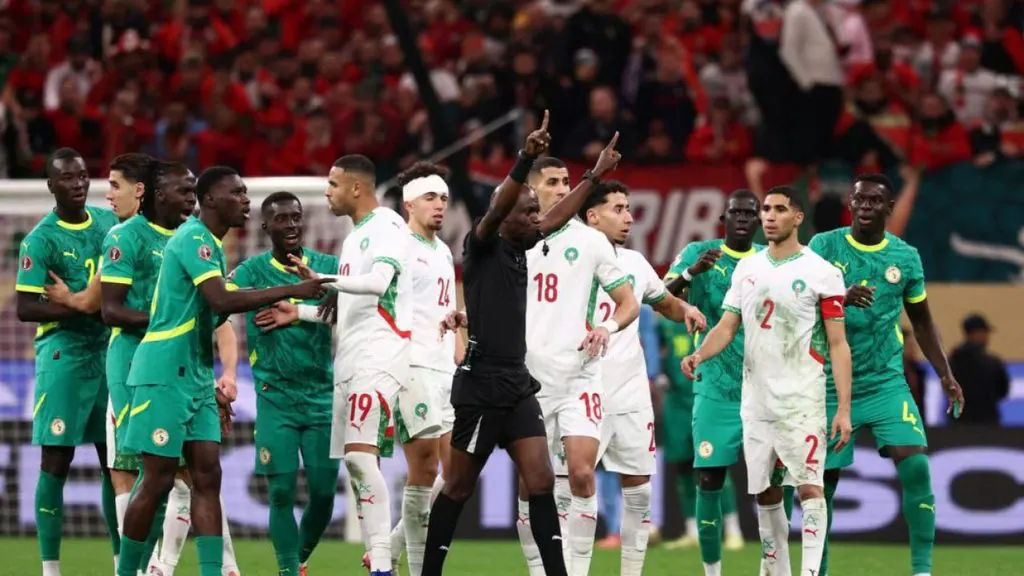
The final had descended into chaos in the last minutes of regular time, with Morocco being awarded a penalty that was contested by Senegal. Brahim Diaz missed the penalty, and some Senegalese players left the pitch before returning 15 minutes later. The match resumed, and Senegal won in extra time. However, the CAF's appeal committee decided on March 17 to award Morocco a 3-0 win due to Senegal's actions.
The Senegalese Federation strongly contested this decision, calling it an "administrative robbery." The FSF maintained that the result on the pitch should stand. The trophy was even presented to the Senegalese diaspora at the Stade de France in late March. The role of the referee, Jean-Jacques Ndala from the Democratic Republic of Congo, is also under scrutiny.
A key question is how far a disciplinary body can go when a match has resumed after an incident and the referee has validated the continuation of the game. According to Thibault Ulrich, a sports law researcher at the University of Lausanne, this case is exceptional, as it would be unprecedented for a team to be stripped of a title won on the pitch and validated by the referee.
The case also raises questions about the "doctrine of the field," which prioritizes sporting results and the authority of referees, unless there are exceptional circumstances such as fraud or corruption. The TAS will have to determine whether the CAF's disciplinary provisions justified overturning the result, despite the referee's decision to resume play.
The dispute has taken on a political and institutional dimension, with the Senegalese government requesting an international investigation into alleged corruption within CAF's governing bodies. The CAF has defended the independence of its disciplinary organs, and the case has led to changes within the organization, including the departure of a jurist working on integrity procedures.
Key points
- The TAS will decide whether the result of the CAN 2025 final should be determined by the sporting outcome or the disciplinary decision.