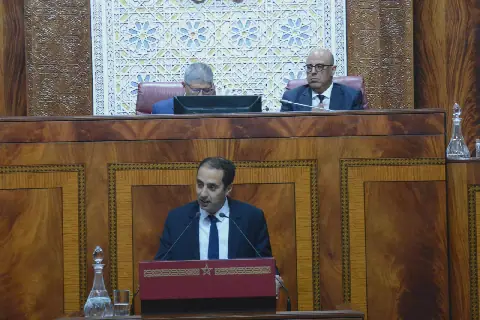
The Cameroonian government has taken a significant step towards regulating the country's traditional medicine sector. On November 2, 2026, an atelier was held at the National Assembly to strengthen the capacities of traditional practitioners. The workshop was organized by the Network of Parliamentarians for the Promotion of Health and the Valorization of Traditional Medicine. The goal is to ensure compliance with the law of December 23, 2024, which governs the exercise and organization of traditional medicine in Cameroon.
The new law aims to modernize, codify, and formally integrate traditional medicine practitioners into the national healthcare system while sanitizing the sector. To achieve this, practitioners have been given 24 months to comply with the new regulations, which include obtaining authorization from the Ministry of Public Health and creating a national order dedicated to this branch of medicine. The deadline for compliance is December 2026.
The implementation of the law is a significant development in Cameroon's healthcare sector. According to Germain Durand Mengue Mezui, president of the Parliamentary Network, the goal is to successfully transition traditional practitioners into the new regulatory framework. This requires collaboration among all stakeholders, including parliamentarians, traditional practitioners, and government officials.
Mary Muyali Meboka, vice-president of the National Assembly, officially opened the workshop and emphasized the importance of traditional medicine in Cameroon's healthcare system. She encouraged modern medicine practitioners to comply with the new regulations, highlighting the government's commitment to integrating traditional medicine into the national healthcare system.
The sector faces significant challenges, including the need to standardize norms and ensure that traditional practitioners operate within a well-defined regulatory framework. The government aims to create a more formalized and integrated healthcare system, with traditional medicine playing a vital role. The new regulations are expected to improve the quality of care provided by traditional practitioners and enhance the overall healthcare experience for Cameroonians.
The atelier is part of a broader effort to promote traditional medicine and improve healthcare outcomes in Cameroon. The government has demonstrated its commitment to the sector by enacting legislation that recognizes the importance of traditional medicine. With the support of parliamentarians and other stakeholders, traditional practitioners are expected to play a more significant role in the country's healthcare system.
The implementation of the new law is expected to have a positive impact on the lives of Cameroonians. By integrating traditional medicine into the national healthcare system, the government aims to improve access to healthcare services, particularly in rural areas where traditional medicine is often the primary source of care. The sector's transformation is expected to enhance the overall quality of healthcare in Cameroon.
Key points
- The Cameroonian government has set a deadline of December 2026 for traditional medicine practitioners to comply with new regulations.
- The new law aims to modernize and integrate traditional medicine practitioners into the national healthcare system.
- The implementation of the law is expected to improve the quality of care provided by traditional practitioners and enhance the overall healthcare experience for Cameroonians.