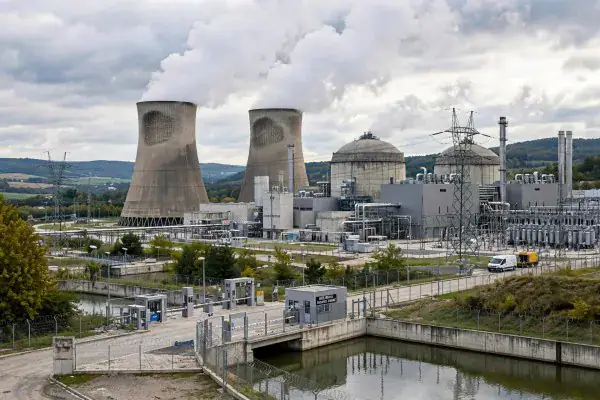
The Cameroonian government is studying the possibility of adopting nuclear energy to diversify its power sources and address the country's recurring electricity shortages. This move comes as the nation faces growing demand for electricity driven by population growth, urbanization, and industrial needs. Prime Minister Joseph Dion Ngute has given relevant administrations three months to produce a concrete schedule for the nuclear energy option.
The proposal to explore nuclear energy has sparked debate, with proponents arguing that it would provide a stable and large-scale source of electricity, unaffected by climate variations that impact hydroelectric power during dry seasons. However, critics contend that the priority should be to harness the country's significant hydroelectric potential, estimated at around 25 GW, which is currently underutilized. They question whether investing in costly and demanding nuclear technology is justified.
The Cameroonian government emphasizes the importance of diversification in securing long-term energy supply. The country's current energy infrastructure is struggling to meet demand, resulting in frequent power outages. Exploring nuclear energy is part of a broader strategy to ensure a stable energy supply, similar to approaches taken by other African countries. The government stresses that this is a planning exercise, not a decision to build a nuclear power plant.
Critics of the nuclear option highlight the challenges associated with this technology, including high costs, lengthy construction periods, and stringent safety requirements. They argue that the focus should be on optimizing existing hydroelectric resources, reducing power losses, and improving maintenance before considering new technologies. The debate raises fundamental questions about the best strategy to guarantee reliable and affordable electricity for Cameroon.
Nuclear energy presents three significant challenges worldwide: high costs requiring substantial investments over extended periods, long construction times, and strict safety regulations. Additionally, managing radioactive waste is a critical concern, requiring secure storage facilities for decades or even centuries. These factors make the decision particularly complex for a developing country like Cameroon.
The government's study aims to assess the feasibility, conditions, and timelines for adopting nuclear energy. The outcome will determine whether this option is viable and under what circumstances. In the meantime, the discussion on Cameroon's energy priorities continues, with the possibility of investing in quicker and less expensive alternatives like hydroelectricity, solar power, and grid rehabilitation being considered.
The Cameroonian government's exploration of nuclear energy reflects the country's efforts to address its energy needs and ensure a stable power supply. The three-month study period will provide insight into the potential for nuclear energy to play a role in meeting these needs. Ultimately, the decision will depend on a careful evaluation of the benefits and challenges associated with this technology.
Key points
- The Cameroonian government is exploring nuclear energy to address frequent power outages and increasing demand.
- Critics argue that the priority should be to harness the country's significant hydroelectric potential.
- The government aims to assess the feasibility, conditions, and timelines for adopting nuclear energy within three months.