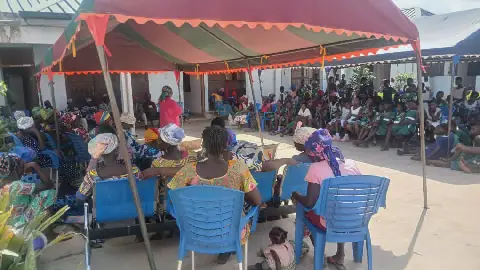
A regional workshop aimed at strengthening collaboration and facilitating information sharing between civil society organizations and law enforcement agencies concluded in Bertoua, East Cameroon, on Thursday, November 2, 2026. The World Wildlife Fund organized the event to improve the detection and reporting of environmental crimes, including illegal logging, poaching, and wildlife trafficking. Participants discussed ways to enhance cooperation and joint efforts to protect the environment.
The workshop focused on the role of civil society organizations in environmental protection, their capacity to detect and report suspected environmental crimes, and possibilities for strengthened collaboration. The goal is to improve the quality, reliability, and relevance of information on environmental crimes, ensuring it reaches competent institutions in a timely and secure manner while protecting sources and individuals involved. Civil society organizations play a crucial role in detecting, documenting, and reporting environmental crimes.
According to the World Wildlife Fund, civil society organizations are vital in detecting and reporting environmental crimes due to their proximity to communities and in-depth knowledge of the terrain. They serve as valuable relays in identifying incidents, documenting facts, and transmitting pertinent information to competent institutions. However, this role also exposes them to risks, emphasizing the need for rigor, confidentiality, and responsible data management.
The workshop aimed to address these challenges by fostering cooperation and information sharing between civil society organizations and law enforcement agencies. Participants explored ways to mitigate risks associated with reporting sensitive information, ensuring the security of individuals and organizations involved. The event was attended by representatives from various organizations and government agencies.
Environmental crimes, such as illegal logging and wildlife trafficking, pose significant threats to Cameroon's ecosystems and biodiversity. Strengthening collaboration between civil society organizations and law enforcement agencies is crucial in addressing these issues. The workshop's outcomes are expected to enhance the effectiveness of environmental crime reporting and prosecution in Cameroon.
The World Wildlife Fund's initiative aligns with Cameroon's efforts to combat environmental crimes and promote sustainable development. The country's rich biodiversity and natural resources are essential for its economic and ecological well-being. Effective collaboration between stakeholders is necessary to protect these resources for future generations.
The regional workshop in Bertoua demonstrated Cameroon's commitment to addressing environmental crimes through collaborative approaches. The event's success will be measured by the effectiveness of the partnerships and information-sharing mechanisms established, ultimately contributing to a safer and more sustainable environment for the country's citizens.
Key points
- The workshop aimed to strengthen collaboration between civil society organizations and law enforcement agencies in reporting and addressing environmental crimes.