When Gavin Newsom became governor of California in 2019, the state's homelessness crisis was intensifying. Emergency shelters were overflowing, encampments were proliferating, and drug overdoses were rising. Newsom vowed to fix the problem with an aggressive battle plan, dedicating more state money to homelessness and affordable housing initiatives than any governor in state history. The state's nonpartisan Legislative Analyst's Office reported that Newsom has invested about $40 billion in homelessness and affordable housing initiatives since 2019.
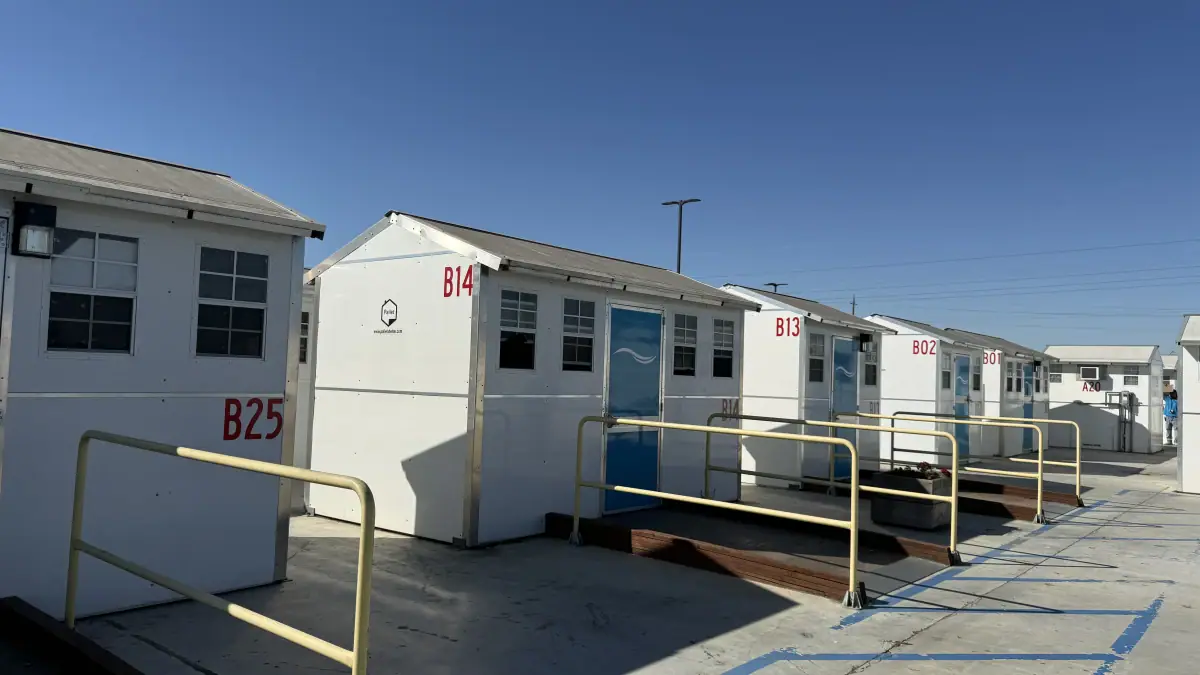
Under Newsom's leadership, California has added tens of thousands of beds in shelters, transitional housing sites, and permanent units, with many of those slots reinforced by robust supportive services such as counseling and food assistance. Despite some recent success, homelessness in California rose 20.3% from 2019 to 2025, according to the most recent federal data. The state's homelessness crisis has gotten worse, with 64% of the homeless population unsheltered, the highest rate in the nation.
The latest federal tally estimated that nearly 182,000 people are homeless in California, representing nearly a quarter of the nation's overall homeless population. Jeff Olivet, who led the U.S. Interagency Council on Homelessness during the Biden administration, said that while Newsom's policies have gotten people successfully housed, new people become homeless all the time, and the problem is that there aren't enough places for them to go.
Newsom's decision to put homelessness at the forefront of his agenda could be a key vulnerability as the Democrat emerges as a likely White House contender. Republicans have criticized Newsom for failing to fix the crisis, arguing that providing people experiencing homelessness with taxpayer-subsidized housing is overly generous and too costly. They also argue that the "housing first" strategy, which prioritizes housing without requiring sobriety or treatment, doesn't work.
Service providers continue to struggle to move people off the streets, and Californians aren't convinced that the money or Newsom's policies are working. In an October poll, 72% of registered voters said the governor had not handled the homelessness issue well over the past eight years. Newsom acknowledged the enormity of the crisis that persists, saying he's not naive about the frustration that people feel and the work ahead.
Newsom pointed to a 6% reduction in overall homelessness in California within the past two years and a 12.8% reduction in unsheltered homelessness, according to preliminary estimates released by his administration. He argued that the state has begun to make meaningful progress at solving homelessness and that he's proud of his record and is fulfilling his promises.
Despite the challenges, Newsom's policies have improved lives, with some formerly homeless people kicking their drug habits, improving their health, and gaining employment. The state still faces a housing deficit, with an estimated shortage of nearly 1.3 million available affordable homes in California for low-income renter households in 2024. The Trump administration is targeting California's approach to homelessness, pushing a "treatment first" policy that prioritizes treatment over housing.
Key points
- California's homelessness crisis has worsened despite a $40 billion investment and efforts by Gov. Gavin Newsom to address the issue.
- The state's homelessness crisis has resulted in 182,000 people being homeless, representing nearly a quarter of the nation's overall homeless population.
- Newsom's policies have improved lives, but the state still faces a housing deficit and criticism from Republicans and some Californians.