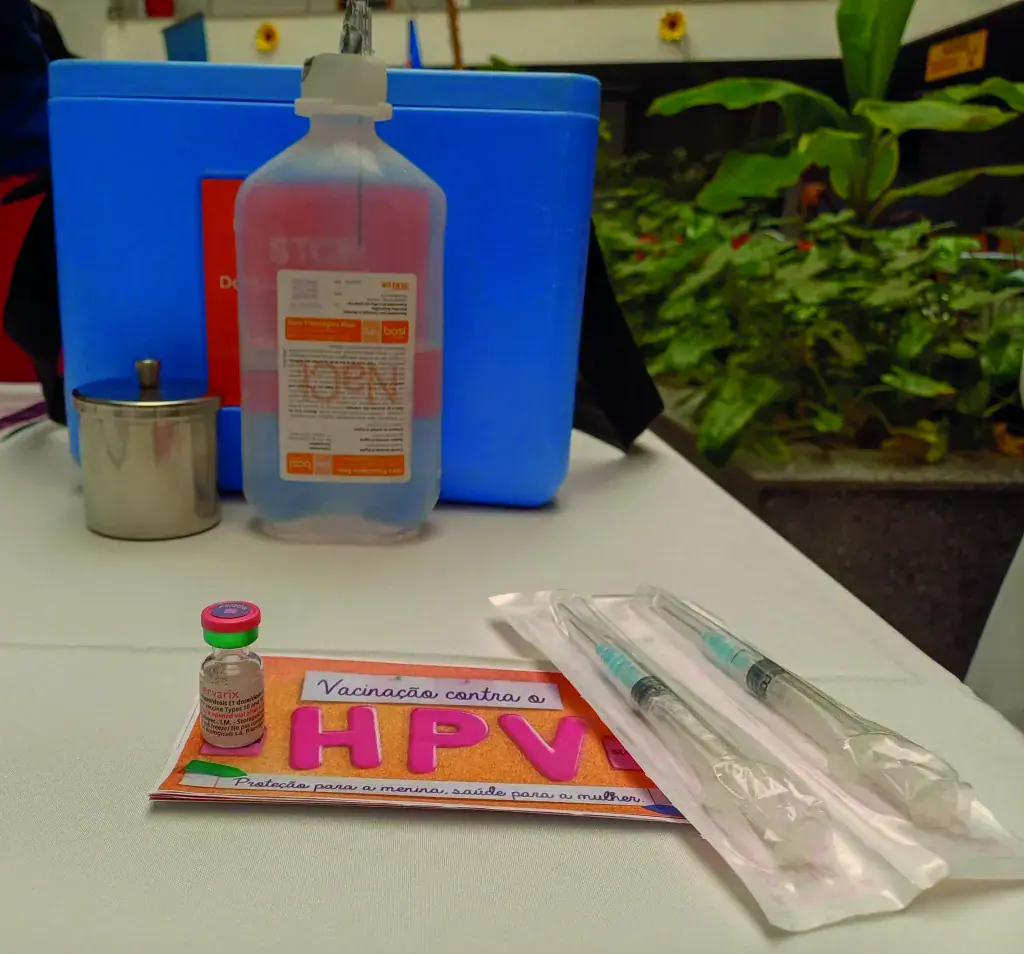
Cabo Verde is set to broaden its vaccination program against the Human Papillomavirus (HPV) to include women and men up to age 30 by January 2027. This expansion will include individuals with pre-cancerous lesions and will be supported by over 40,000 doses provided through a bilateral partner. According to Evanilda Santos, national coordinator of the Expanded Vaccination Program, the new phase aims to build on the country's existing vaccination efforts.
Since the introduction of the HPV vaccine into the national vaccination calendar in 2021, Cabo Verde has achieved significant coverage, with 95.6% of girls and boys aged 10-14 vaccinated as of 2025. The vaccination program initially targeted 10-year-old girls, then expanded to adolescents aged 10-13, and later to boys aged 10-14. In 2025, the program was further extended to young people aged 15-19, with approximately 26,000 individuals vaccinated.
The HPV vaccination program in Cabo Verde has received recognition from the World Health Organization (WHO). In 2023, the UN system reported that Cabo Verde had vaccinated 4,600 10-year-old girls, corresponding to a coverage of 92.75% in this population. More recently, the Ministry of Health reported that the country achieved a vaccination coverage of 99% among adolescents aged 10-14 in 2024.
Despite these achievements, the health sector has identified the need to strengthen other components of cancer prevention. According to the Second National Survey on Risk Factors for Non-Communicable Diseases (IDNT II), conducted in 2020, only 52.2% of women aged 30-49 had undergone at least one cervical cancer screening test. The survey also revealed disparities between urban (53.5%) and rural (49.4%) areas.
The WHO has highlighted the challenges posed by Cabo Verde's archipelago condition, including difficulties in referring patients between health structures and ensuring continuity of care. While the HPV vaccination is a crucial measure in preventing cervical cancer, it does not replace the need for screening, which remains essential for identifying cellular abnormalities and pre-cancerous lesions.
Misconceptions about the HPV vaccine have been identified as a challenge to vaccination efforts. Evanilda Santos noted that false information circulating on social media has led some to associate the vaccine with infertility or the promotion of early sexual behavior. The vaccination program is working to address these concerns through education and awareness campaigns.
The impact of the HPV vaccination program on cervical cancer rates in Cabo Verde will only be visible in the long term. According to Evanilda Santos, the effects of vaccination will need to be evaluated over a period of 15 to 20 years, through screenings and cancer registries. The expectation is that the program will reduce HPV infections and pre-cancerous lesions in vaccinated populations.
Key points
- Cabo Verde aims to expand its HPV vaccination program to women and men up to age 30 by January 2027.
- The country has achieved significant vaccination coverage, with 95.6% of girls and boys aged 10-14 vaccinated as of 2025.
- The HPV vaccination program has received recognition from the World Health Organization (WHO) for its efforts in preventing cervical cancer.