As the presidential election in Cabo Verde approaches, three candidates have come forward to present their visions for the country's future. Casimiro de Pina, who finished third in the 2021 presidential election, has announced his candidacy, focusing on defending the Constitution and the rule of law. He criticizes the intervention of political parties in the presidential election and accuses former President José Maria Neves of overstepping his constitutional powers. De Pina aims to transform his previous "bronze medal" into a "gold medal" with a presidency centered on control mechanisms and a commitment to the Constitution.
Joana Rosa, the first woman to run for president in Cabo Verde, advocates for an independent presidency that ensures balance among the branches of government, fosters trust in institutions, and brings the state closer to its citizens. Her vision for the presidency emphasizes dialogue, defense of the Constitution, and addressing the country's significant challenges, including youth issues and inter-island cohesion. Rosa promises that if elected, she will do things differently, ensuring the presidency intervenes without substituting the government's role.
Incumbent President José Maria Neves, seeking re-election under the slogan "Cabo Verde, Vencer Juntos" (Cabo Verde, Let's Win Together), evaluates his five-year term positively. He describes himself as a "true arbiter" and dismisses allegations of institutional tensions. Neves highlights the lessons learned during his tenure, which he believes have prepared him for the current challenges facing the country. He outlines his priorities for a potential second term, focusing on continued progress and development.
In a related development, a report on the prevalence of heart disease in Cabo Verde reveals a significant shift in the country's cardiovascular disease profile over the past four decades. While rheumatic fever and heart valve diseases predominantly affected children and young people in the 1980s, current major concerns include artery blockages, hypertension, obesity, diabetes, and sedentary lifestyles. This report coincides with World Heart Day, observed on September 29, and emphasizes the ongoing challenges in prevention and treatment.
Prime Minister Francisco Carvalho recently participated in the 81st United Nations General Assembly, marking his debut in the organization's general debate. During his visit to New York from September 21 to 26, Carvalho engaged in a series of high-level meetings. This participation underscores Cabo Verde's active role in international affairs and its commitment to global cooperation.
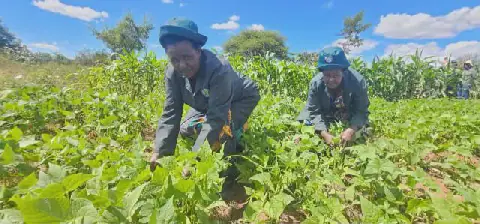
The agricultural sector in Santo Antão is facing difficulties due to late and insufficient rainfall, threatening the year's harvest. The dry conditions in August and September have resulted in reduced yields and increased family expenses. Stakeholders are calling for more proactive public responses to mitigate the impacts of such climatic challenges before they escalate.
Cabo Verde is set to participate once again in the FIRST Global Challenge, a robotics competition, with a new generation of young participants and a robot built in São Vicente. This year's event, which Cabo Verde has been part of since its inception in 2017, demonstrates the country's ongoing commitment to fostering innovation and technological advancement among its youth.
Key points
- Casimiro de Pina, Joana Rosa, and José Maria Neves present distinct visions for Cabo Verde's presidency.
- The country faces challenges in healthcare, particularly with a shift in cardiovascular disease profiles.
- Cabo Verde engages actively in international forums, such as the UN General Assembly, and promotes innovation through participation in robotics competitions.