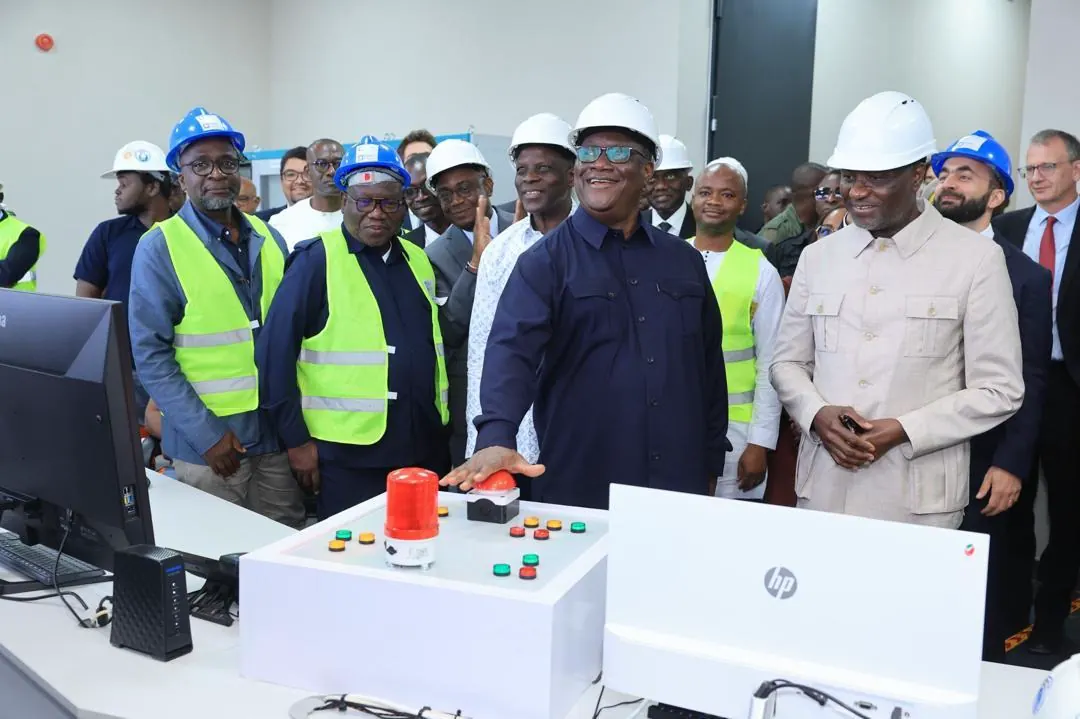
Côte d’Ivoire is advancing its transition to renewable energy with the Ferké Solar power plant in the northern Tchologo region. The plant, located in Ferkessédougou, has an installed capacity of 52.4 megawatts and features over 73,000 photovoltaic panels. This development demonstrates how private investment can support Africa’s growing demand for cleaner and more reliable electricity. The project represents an investment of CFA41 billion, developed with 100% Ivorian capital.
The Ferké Solar facility is expected to generate over 90 gigawatt-hours of electricity annually, enough to support more than 370,000 households. Spread across approximately 50 hectares, the solar plant adds to Côte d’Ivoire’s expanding renewable-energy infrastructure. It strengthens the role of domestic private capital in the country’s energy transition. For northern Côte d’Ivoire, the project carries significance beyond electricity generation, as greater access to dependable power can support businesses, schools, and healthcare facilities.
The development reflects a wider transformation in Côte d’Ivoire’s electricity sector. Government figures show that national access to electricity has risen from 33.1% in 2011 to over 90% today. The country is now seeking to expand renewable energy further as demand for electricity increases. Côte d’Ivoire has set a target of increasing the share of renewable energy in its electricity mix to 46.3% by 2035.
Côte d’Ivoire aims to increase installed solar capacity to over 1,300 megawatts by 2035, signalling a long-term shift towards a more diversified energy system. Ferké Solar is part of that broader pipeline, with additional solar projects planned or under development in several parts of the country. This expanding network could help reduce pressure on conventional power sources while extending renewable generation beyond the country’s major urban centres.
The project highlights the growing importance of African capital in financing the continent’s infrastructure needs. With Ferké Solar financed entirely with Ivorian capital, the development provides an example of how domestic investors can participate directly in strategic sectors such as energy. Beyond its immediate electricity output, renewable projects like Ferké Solar can contribute to broader economic development.
Reliable power is fundamental to manufacturing, agriculture, digital services, education, and healthcare, making energy infrastructure a foundation for productivity across multiple sectors. The plant is also expected to help reduce carbon emissions, with Côte d’Ivoire’s government estimating that Ferké Solar will avoid approximately 39,000 tonnes of carbon dioxide emissions each year, or over one million tonnes over its operating life.
Africa’s energy transition will require much larger investments, but projects like Ferké Solar demonstrate the potential of combining renewable technology, domestic capital, and long-term national planning. As Côte d’Ivoire expands its solar capacity, the Ferké project offers a glimpse of how renewable energy can contribute simultaneously to electricity access, economic activity, environmental sustainability, and greater energy resilience.
Key points
- The Ferké Solar power plant has an installed capacity of 52.4 megawatts and features over 73,000 photovoltaic panels.
- The project represents an investment of CFA41 billion, developed with 100% Ivorian capital.
- Côte d’Ivoire aims to increase the share of renewable energy in its electricity mix to 46.3% by 2035.