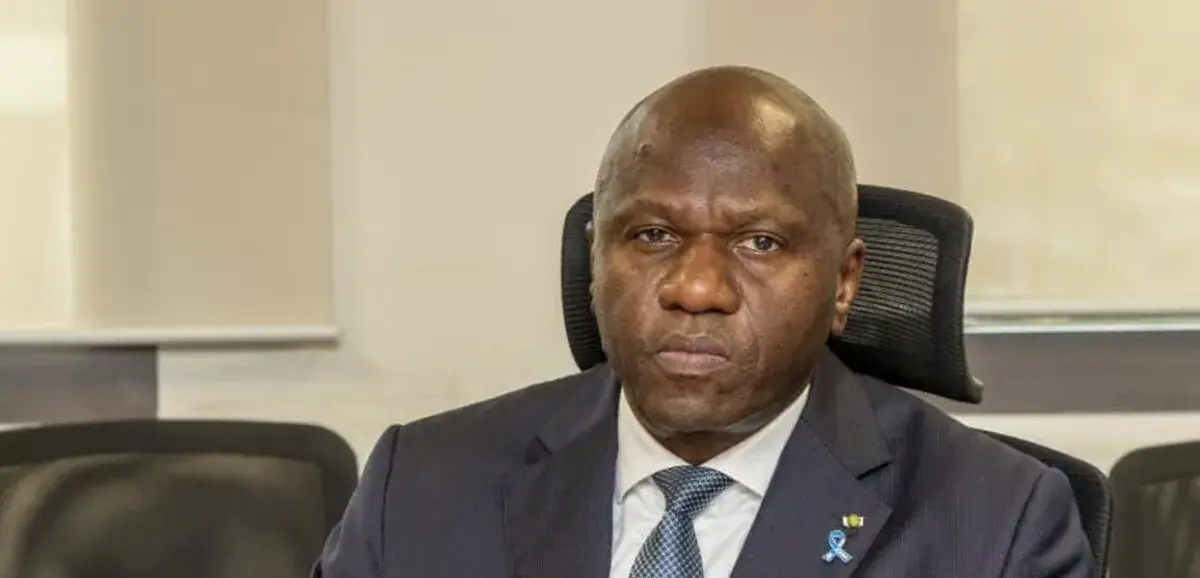
The Côte d'Ivoire government is calling for the early release of the Intergovernmental Panel on Climate Change's (IPCC) upcoming report. Environment Minister Abou Bamba stated that the report should be published "as soon as possible" to inform decision-making with scientific data. This statement was made on the sidelines of the 31st Conference of the Parties (COP31) in Antalya, Turkey. Bamba emphasized the importance of basing decisions on scientific facts rather than emotions or political calendars.
The IPCC's seventh report is a highly anticipated publication, with countries divided on its release date. Some nations, such as those in Europe, are advocating for the report to be published by 2028, while others, including India, Saudi Arabia, and China, prefer a later release in 2029. The report's findings will play a crucial role in shaping climate policies and informing future COP meetings, including COP33. Bamba's comments highlight the urgency felt by some countries in accessing the report's conclusions.
Côte d'Ivoire's push for an early release is motivated by the country's significant energy challenges. With over 700 million Africans lacking access to electricity, Bamba sees an opportunity to promote renewable energy sources, particularly solar power. He notes that Africa is rich in sunlight, which can be harnessed to reduce dependence on volatile fossil fuel markets. By investing in solar energy, Côte d'Ivoire and other African nations can mitigate the risks associated with fluctuating global energy prices.
The country's reliance on imported fossil fuels is a concern for Côte d'Ivoire. Bamba pointed out that the country's economy is vulnerable to fluctuations in global oil prices, citing the impact of potential conflicts or disruptions to oil supplies. Developing domestic renewable energy sources can help mitigate these risks and ensure a more stable energy future. Côte d'Ivoire is also exploring ways to develop its own hydrocarbon production, although it does not rival the major producers in the region.
Côte d'Ivoire's energy challenges are part of a broader narrative about Africa's energy landscape. The continent is home to some of the world's fastest-growing economies, but many countries struggle to provide reliable access to electricity for their populations. The promotion of renewable energy sources, such as solar and wind power, is seen as a key strategy for addressing these challenges and promoting sustainable development.
The IPCC report is expected to provide critical guidance on the global response to climate change. Its findings will inform decision-making at the national and international levels, influencing climate policies and investments in the years to come. By pushing for an early release of the report, Côte d'Ivoire and other countries are seeking to ensure that their voices are heard and their needs are taken into account in the global response to climate change.
As COP31 continues in Turkey, countries are working to find common ground on key issues, including climate finance, adaptation, and mitigation. The early release of the IPCC report is just one of the many pressing issues on the agenda. With the global climate landscape continuing to evolve, the report's findings will play a crucial role in shaping the international response to climate change and promoting sustainable development.
Key points
- Côte d'Ivoire urges IPCC to publish next climate report ASAP to inform decision-making with scientific data.