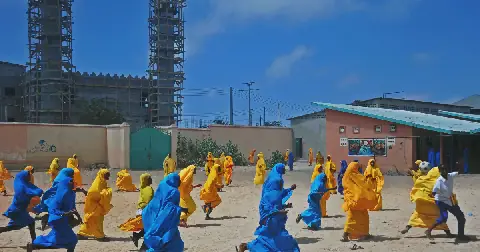
The African continent is on the cusp of a significant demographic shift, with its population projected to reach 2.5 billion by 2050. This growth will make Africa the primary driver of global population growth. Côte d'Ivoire, along with other nations, is facing the challenge of harnessing this growth to drive development. A high-level continental dialogue was held in Abidjan, bringing together policymakers, international organizations, and youth representatives to discuss this issue.
The dialogue, themed "Tirer parti des changements démographiques pour la prospérité, la résilience et l’inclusion," aimed to explore ways to leverage demographic changes for the benefit of African nations. Côte d'Ivoire's Prime Minister, Robert Beugré Mambé, emphasized the need for significant investments in education, healthcare, training, and employment to ensure that the growing youth population becomes a force for development.
According to projections, Africa will account for over a quarter of the global population by 2050, with a large and youthful workforce. Prime Minister Mambé stressed that this demographic shift presents both opportunities and responsibilities for nations. He called for the transformation of African economies, with a focus on sectors such as agriculture, industry, digital technology, and services, which can generate substantial employment.
Côte d'Ivoire's Minister of Planning and Development, Souleymane Diarrassouba, highlighted the country's own demographic dynamics, with its population growing from 6.7 million in 1975 to 29.4 million in 2021. He noted that 75.6% of the population is under the age of 35. The minister emphasized the need for governments to prioritize human capital in their policies and introduced the National Population Office, which will oversee the implementation of the national demographic policy.
The UNFPA Executive Director, Diene Keita, urged policymakers to take urgent action to address the demographic challenge. She noted that Africa is expected to contribute over half of the global population growth over the next 25 years, with nearly 900 million additional inhabitants. Keita stressed the importance of investing in education, healthcare, and infrastructure to ensure that the growing youth population can contribute to the economy.
The high-level dialogue also highlighted the progress made in education, with primary school completion rates increasing from 55% in 2000 to around 85% today. However, participants emphasized the need for sustained efforts in healthcare, infrastructure, and social protection to support the growing population. The importance of reliable demographic data in informing public policy was also underscored.
The dialogue concluded with a call for collective action to address the demographic challenge. Participants emphasized the need for governments, the private sector, researchers, and international partners to work together to harness the potential of Africa's growing youth population and ensure that they contribute to the continent's development.
Key points
- Africa's population is projected to reach 2.5 billion by 2050, making it the primary driver of global population growth.
- Côte d'Ivoire and other African nations must invest in education, healthcare, training, and employment to harness the potential of their growing youth populations.
- The demographic shift presents both opportunities and responsibilities for nations, requiring a coordinated and sustained response to ensure that the growing population contributes to development.