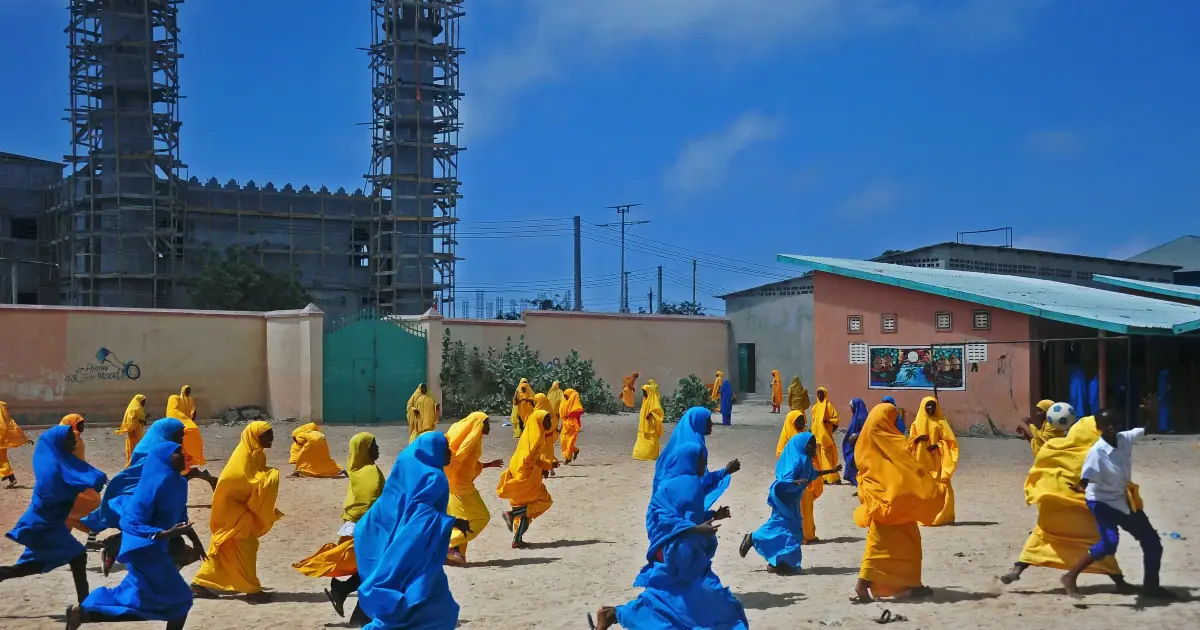
A new global study has revealed that a significant majority of teenagers worldwide are not engaging in sufficient physical activity, with far-reaching implications for their health and wellbeing. According to the World Health Organization (WHO), adolescents should spend at least one hour a day exercising moderately to vigorously. However, data from over 3 million adolescents in 140 countries shows that only 14% of teenagers meet this recommendation. The study, co-authored by Fiona Bull, head of the physical activity unit at the WHO, found that one in four teenagers reported no days of moderate-to-vigorous exercise.
The study, which drew on data from surveys conducted over the past 15 years, also revealed significant disparities in physical activity levels between girls and boys, as well as between adolescents from different income countries. Girls were consistently less active than boys, with nearly 30% reporting no exercise at all during the week, compared to 22% of boys. Additionally, adolescents from middle- and lower-income countries reported lower levels of physical activity than their peers from wealthier Western countries. These findings suggest that environmental and cultural factors may be contributing to these disparities.
Researchers point to a range of factors contributing to the low levels of physical activity among teenagers, including the increasing popularity of screen-based activities and the lack of safe and accessible spaces for physical activity. In many lower-income countries, the environment in which adolescents live, go to school, and play often restricts opportunities for physical activity. In urban areas, in particular, the design of cities can make it difficult for teenagers to engage in physical activity, with many parents concerned about safety and air pollution.
The study's findings have significant implications for the health and wellbeing of adolescents, both in the short and long term. According to Solveig Cunningham, a global health researcher at Emory University, habits formed during adolescence can have a lasting impact on health outcomes in adulthood. "As an adolescent, if your baseline is zero days of physical activity, that's going to be your baseline as you go into adulthood," she notes. Changing these trends will require a sustained effort from policymakers, educators, and parents.
Experts suggest that schools may provide a practical starting point for interventions aimed at increasing physical activity among teenagers. Data suggests that countries with higher levels of adolescent exercise tend to have more structured time for sport during or after the school day. Building up such programs in other countries could help close the gap, particularly if done in ways that make sport accessible and affordable. However, this will require sustained attention from policymakers, who face competing interests and priorities.
The study's findings also highlight the need for a more nuanced understanding of the cultural and environmental factors that influence physical activity among adolescents. In some contexts, cultural norms around physical activity may discourage girls from engaging in certain types of exercise, while in others, the lack of safe spaces for physical activity may be a major barrier. Addressing these challenges will require a tailored approach that takes into account the specific needs and circumstances of different communities.
Ultimately, the study's authors argue that increasing physical activity among teenagers will require a multifaceted approach that involves policymakers, educators, parents, and communities. By working together to create environments that support and encourage physical activity, it may be possible to reverse the trend of declining physical activity among teenagers and promote healthier habits that last a lifetime.
Key points
- Only 14% of teenagers worldwide engage in at least 60 minutes of moderate-to-vigorous physical activity daily.
- Girls and adolescents from lower-income countries are disproportionately affected by low levels of physical activity.
- Schools and policymakers may provide key opportunities for interventions aimed at increasing physical activity among teenagers.