In rural Côte d'Ivoire and agro-food transformation units, organic waste is being repurposed as a source of energy and fertilizer. The country's Ministry of Animal Resources and Fisheries (MIRAH) and the Alliance for Biodigesters in West and Central Africa (AB-AOC) are promoting biodigester technology. This innovation converts organic waste into biogas and digestate, offering a sustainable solution for energy production and soil fertilization.
The biodigester technology involves fermenting organic matter in a hermetically sealed container, producing biogas and digestate. Biogas is primarily composed of methane and can be used for cooking, lighting, or electricity generation. Digestate serves as an organic fertilizer, enhancing soil quality and reducing reliance on chemical fertilizers. According to Dr. Dagnogo Komissiri, a technical advisor at MIRAH, this technology transforms waste into a valuable resource.
The biodigester addresses multiple challenges faced by agriculture and livestock farming, including waste management, organic matter valorization, and energy needs. Dr. Tré Bi Tré Christian, Director of Animal Productions and national focal point for AB-AOC in Côte d'Ivoire, highlights the technology's potential to support rural development. By providing a local source of energy, biodigesters can help reduce energy constraints and maintain value-added activities in rural areas.
In Bohoussoukro, women producing attiéké, a traditional Ivorian dish, are using biogas for cooking, reducing their reliance on firewood and mitigating exposure to smoke. The digestate is also used in market gardening. According to Sylvie Yameogo, an Account Manager at AB-AOC, a four-cubic-meter biodigester can save around four tons of CO2 emissions per year. This technology offers energy, environmental, and economic benefits, particularly for households with sufficient organic waste.
Beyond households and cooperatives, biodigesters have potential applications in abattoirs and agro-food units, which generate significant amounts of organic waste. MIRAH plans to valorize certain by-products from slaughterhouse activities, using biogas for heat-requiring operations and treating waste in suitable technical conditions. A large-scale biodigester is being built at the SIVAC abattoir in Yopougon.
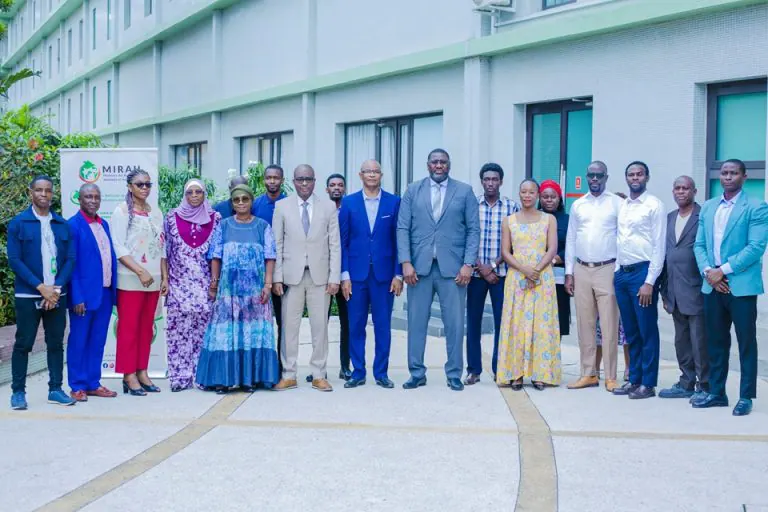
The development of biodigesters requires a suitable institutional and financial framework. An information and awareness workshop was held for parliamentarians to discuss the convention establishing AB-AOC. Côte d'Ivoire has signed the convention and adopted the bill authorizing its ratification, but completion of this procedure is necessary to access the organization's cooperation and support mechanisms.
The MIRAH and AB-AOC will continue to promote biodigester technology through awareness-raising, training, and demonstration activities. This multisectoral approach aims to unlock the potential of biodigesters in Côte d'Ivoire, supporting rural development and environmental sustainability.
Key points
- Côte d'Ivoire promotes biodigester technology to convert organic waste into energy and fertilizer.
- The technology has potential applications in rural areas, abattoirs, and agro-food units.
- A suitable institutional and financial framework is necessary for the development of biodigesters.