The United Nations Day for South-South Cooperation, celebrated on September 19, 2026, emphasizes the vital role of solidarity among developing countries in accelerating economic and social progress. This year's theme, "Solidarity in Action: Global Alliance for Inclusive and Innovative Development," coincides with the launch of the Global Alliance for South-South and Triangular Cooperation. The platform connects countries seeking solutions with partners offering expertise and technical support.
The initiative acknowledges that many development solutions already exist in Southern countries. In Africa, nations have gained valuable experience in food security, nutrition, school feeding, social protection, and resilience building. However, these experiences often remain confined to their national context and do not benefit other countries that could learn from them. The Centre of Excellence for Regional Food Security and Nutrition (CERFAM) helps bridge this gap by identifying, documenting, and promoting promising practices.
According to the 2026 report on the State of Food Security and Nutrition in the World, nearly 309 million people faced hunger in Africa in 2025. Over half of the continent's population, 56.6%, experienced moderate or severe food insecurity. While progress has been made in reducing stunting in children, from 34% in 2012 to 30% in 2024, challenges persist. Anemia among women of reproductive age continues to rise, reaching 35.9% in 2023.
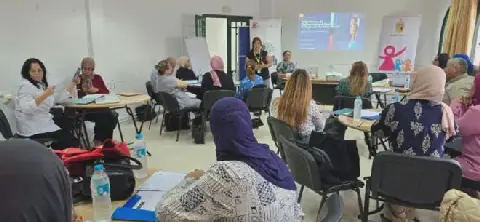
Despite these challenges, governments, technical institutions, local organizations, and communities continue to experiment with and implement innovative solutions. The main challenge is no longer finding new solutions but rather mobilizing and adapting existing knowledge. Zambia has introduced innovative hydroponic systems to improve school meal nutrition, producing fresh vegetables in resource-limited environments. A 2022 study visit facilitated by CERFAM allowed Libyan representatives to learn from Zambia's model.
Côte d'Ivoire has established itself as a regional hub for learning and technical cooperation in food security and nutrition. Through CERFAM and national institutions, the country has hosted study visits, technical missions, and peer learning initiatives. In 2022, a Gambian delegation visited Côte d'Ivoire to examine national experiences in school feeding and support for small-scale farmers. The country has also shared its expertise with other African states.
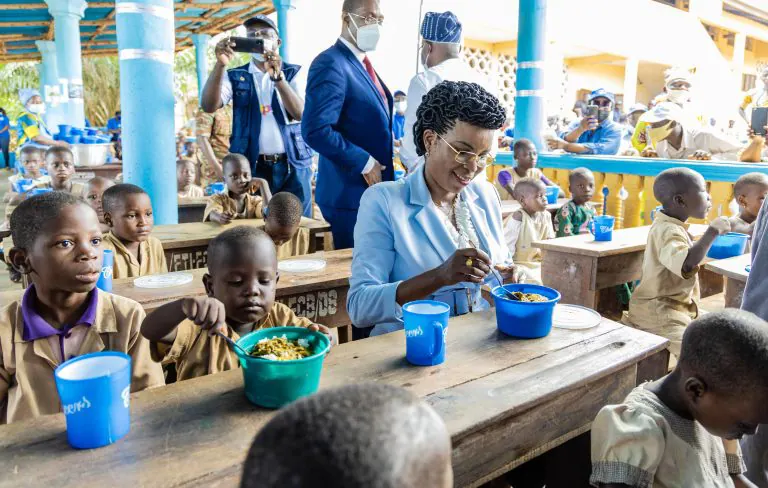
The Benin Republic has developed a recognized school feeding model, combining school canteens, local agricultural production, and community involvement. This program improves child nutrition and supports rural economic development. In 2021, a Burundian delegation, led by the First Lady, visited Benin to learn from the Integrated National School Feeding Program. The experience highlights the potential for regional cooperation and knowledge sharing.
To strengthen solidarity through knowledge sharing, three priorities are identified: validating and disseminating best practices through regional platforms; enhancing knowledge sharing mechanisms using digital tools and partnerships; and promoting South-South and triangular exchanges through technical missions and regional workshops. These efforts aim to leverage existing solutions and expertise to address development challenges in Africa.
Key points
- Africa has developed innovative solutions to address food security and nutrition challenges.
- The Centre of Excellence for Regional Food Security and Nutrition (CERFAM) plays a key role in promoting knowledge sharing and cooperation.
- South-South cooperation is essential for accelerating economic and social progress in developing countries.