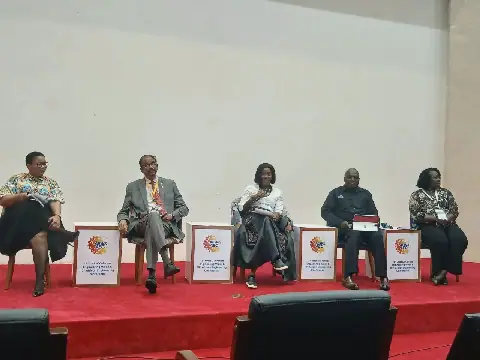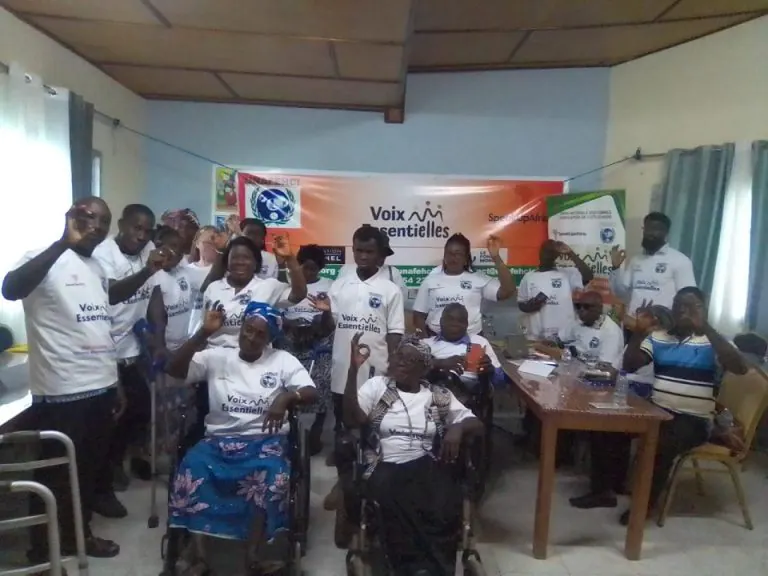
Twenty leaders of associations representing people with disabilities in Côte d'Ivoire have undergone training in Yamoussoukro on techniques to prevent malaria and the care pathways for those affected. The training, which took place on September 18, 2026, was organized by the National Union of Women with Disabilities of Côte d'Ivoire (UNAFEHCI), in partnership with Speak Up Africa's "Voix Essentielles" project. The initiative aims to equip association leaders with the skills to sensitize, guide, and mobilize their members in the fight against malaria.
The training focused on raising awareness and engaging people with disabilities in the fight against malaria. According to UNAFEHCI President Anne-Cécile Konan, people with disabilities have been implementing an inclusive malaria campaign for nearly three years, focusing on participation in health instances, leadership strengthening, and sensitization of specific groups. Konan emphasized that it is crucial not only to sensitize people with disabilities but also to train them to adopt preventive measures against malaria, given their increased vulnerability to the disease.
The training brought together association leaders from various locations, including Attiégouakro, Tiébissou, Didiévi, Toumodi, and Yamoussoukro. The participants were selected to ensure representation of different types of disabilities, including motor, visual, auditory, albinism, and dwarfism. The training covered malaria prevention measures, the importance of environmental sanitation, and care pathways for those affected.
The initiative also explored the link between malaria prevention and the green economy. Konan noted that better waste management and recycling can contribute to disease prevention while providing income-generating activities. The training provided an opportunity to strengthen inclusion through specific support, including the distribution of assistive devices such as white canes, wheelchairs, and solar creams.
A total of five white canes were distributed to visually impaired individuals, two wheelchairs to people with reduced mobility, and three solar creams to people with albinism. Konan stated that the meeting enabled the reinforcement of inclusion through targeted support, ultimately enhancing the participation of people with disabilities in malaria prevention efforts.
UNAFEHCI plans to continue its awareness-raising actions in the Yamoussoukro district and surrounding areas to bring malaria prevention messages closer to people with disabilities and strengthen their involvement in the fight against the disease. The organization aims to build on the momentum generated by the training to promote a more inclusive approach to malaria prevention.
The training is part of a broader effort to address the impact of malaria on people with disabilities in Côte d'Ivoire. According to Konan, malaria can further limit the access of people with disabilities to economic opportunities, education, and daily activities. By empowering association leaders with the skills and knowledge to prevent malaria, UNAFEHCI hopes to reduce the vulnerability of people with disabilities to the disease.
Key points
- The training was organized by UNAFEHCI in partnership with Speak Up Africa's "Voix Essentielles" project.
- The initiative distributed assistive devices to people with disabilities, including white canes, wheelchairs, and solar creams.
- UNAFEHCI plans to continue its awareness-raising actions in the Yamoussoukro district and surrounding areas.