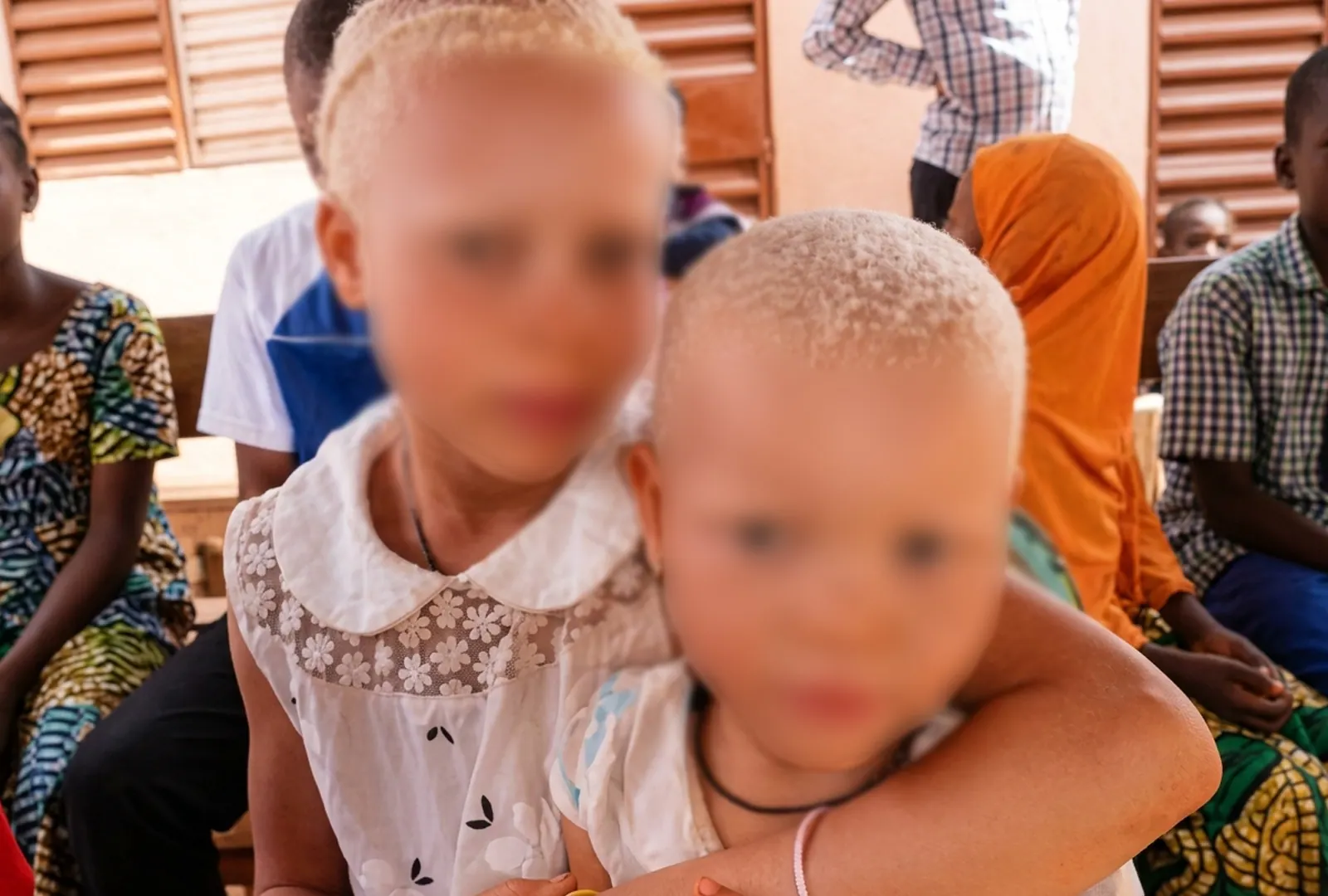
As the 2026-2027 school year commenced, Côte d'Ivoire's education system welcomed children with albinism, a condition affecting approximately 10,000 people in the country. According to Mamidou Coulibaly, president of the NGO Bien-être des albinos de Côte d'Ivoire (BEDACI), around 4000 children and students with albinism are enrolled in schools. Despite being considered differently abled, they generally receive equal treatment as other students.
However, children with albinism encounter specific difficulties, primarily related to their vision and skin. The harsh sunlight can cause severe burns and skin problems, while their visual impairment can hinder their academic performance. To mitigate these issues, the Fondation Pierre Fabre provides free consultations, glasses, and skin care products to children with albinism through BEDACI.
Unfortunately, prejudice against children with albinism persists, particularly in rural areas. Some teachers display a lack of understanding and empathy towards these students' needs. For instance, they may request that children with albinism cover their hair, which can exacerbate their skin problems. BEDACI intervenes to educate these teachers about the condition and its implications.
The situation in rural areas contrasts with that in the economic capital, Abidjan, where awareness and sensitization efforts have been more successful. Nevertheless, much work remains to be done to protect and integrate children with albinism into mainstream education. The BEDACI president emphasizes the need for sustained awareness campaigns in rural areas to combat deeply ingrained prejudices.
Côte d'Ivoire has made significant strides in protecting people with albinism, particularly in terms of employment opportunities. Since 2015, 60 individuals with albinism have benefited from a special recruitment program in the public sector. This development demonstrates the government's commitment to promoting inclusivity and equal opportunities.
The challenges faced by children with albinism in Côte d'Ivoire highlight the importance of continued support and advocacy. BEDACI and other organizations are working to ensure that these students receive the necessary care and accommodations to succeed academically and socially. By addressing the unique needs of children with albinism, Côte d'Ivoire can foster a more inclusive and equitable education system.
As the school year progresses, efforts to promote awareness and understanding of albinism will be crucial in creating a supportive environment for children with the condition. By working together, stakeholders can help bridge the gap in education and social integration for Côte d'Ivoire's 4000 children with albinism.
Key points
- Côte d'Ivoire has approximately 10,000 people with albinism, with 4000 being school-age children.
- The country has made progress in protecting people with albinism, including a special recruitment program in the public sector.
- Prejudice and lack of understanding about albinism persist in rural areas, highlighting the need for sustained awareness campaigns.