Businesses in Tanzania are facing growing pressure to develop products and services that respond to changing consumer expectations while maintaining quality and competitiveness. The warning comes from business leaders who emphasize that innovation is becoming increasingly important across the business value chain. With technological change accelerating, companies can no longer afford to treat it as a distant development.
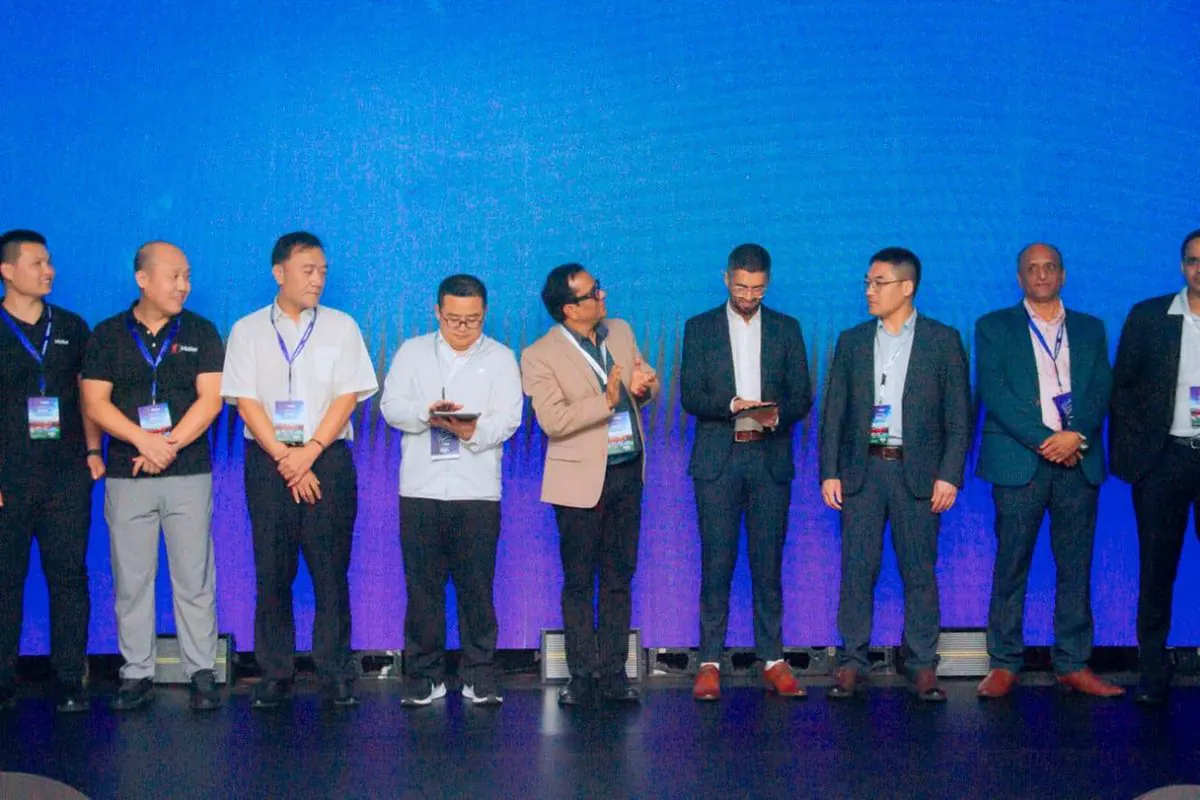
MeTL Group's marketing director, Fatema Dewji, stated that businesses that fail to keep pace with technological changes will be left far behind. She made these comments during an event marking a partnership between MeTL Group and Haier Tanzania. The partnership aims to combine technological innovation with product quality to respond to evolving consumer needs in Tanzania's home-appliance market.
The growing adoption of artificial intelligence (AI) has raised concerns about job security, but Dewji argues that technology should not be viewed as a replacement for human creativity and thinking. Instead, AI can support employees, including those working in production, by improving efficiency and productivity. This perspective reflects a broader shift in how businesses approach AI, exploring ways to enhance human capabilities rather than replacing them.
Haier Tanzania Country Director, Liu Chi, noted that the local home-appliance market is undergoing significant changes, with consumers increasingly prioritizing product quality. Companies must ensure that their products deliver value and respond to consumers' changing needs. This shift in consumer behavior is likely to intensify competition among manufacturers and distributors.
As consumers become more informed, they are comparing products based on performance, durability, and features. To maintain market share, businesses will need to understand consumer preferences and adapt their products and operations accordingly. This requires not only expanding distribution networks but also leveraging technological advances to improve productivity, product quality, and customer experience.
The partnership between MeTL Group and Haier Tanzania exemplifies how established businesses are responding to these changes through collaboration. By working together, companies can turn technological advances into practical improvements, driving innovation and competitiveness in the market. This approach is critical for Tanzanian companies to remain competitive in a rapidly changing business landscape.
Ultimately, the challenge for Tanzanian companies is to quickly translate technological advances into tangible benefits, including improved productivity, product quality, and customer experience. By doing so, they can retain the human creativity needed to drive innovation and stay ahead of the competition. The emphasis on technological innovation and quality is set to reshape the business landscape in Tanzania.
Key points
- Businesses in Tanzania risk falling behind if they fail to adapt to rapid technological changes, including the growing use of artificial intelligence.
- The growing adoption of AI has raised concerns about job security, but technology can support employees by improving efficiency and productivity.
- Companies must prioritize product quality and respond to evolving consumer needs to remain competitive in Tanzania's home-appliance market.