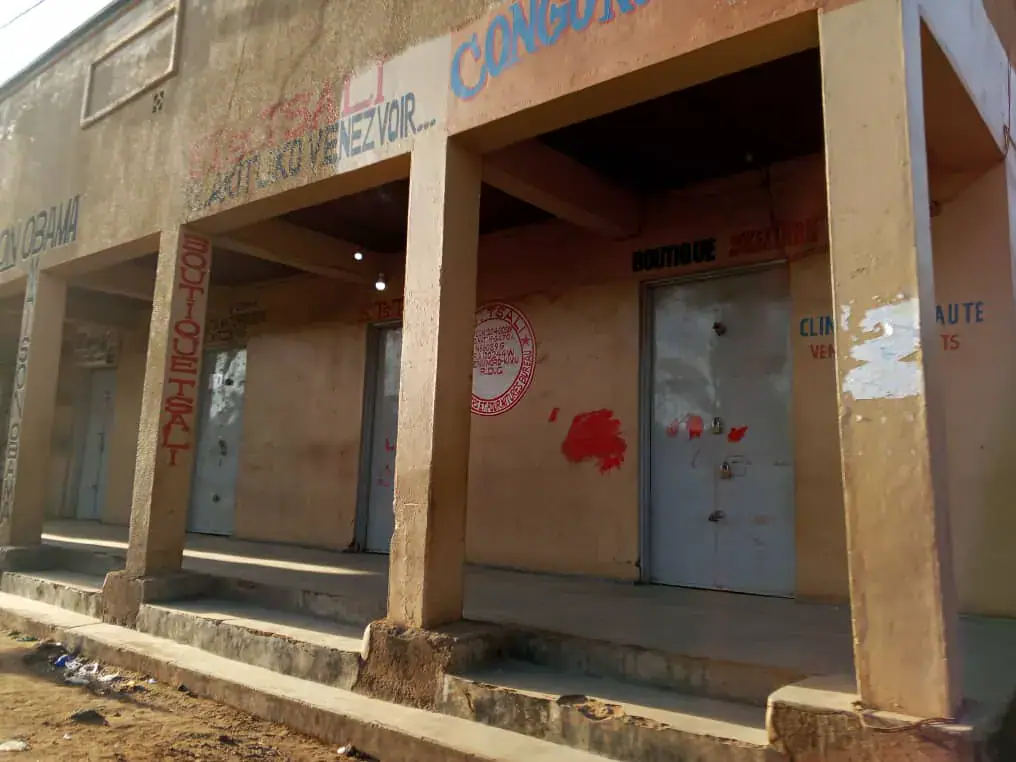
The city of Beni, located in the North Kivu province of the Democratic Republic of Congo, has been experiencing significant disruptions to its socio-economic activities since Monday, October 26. This situation arose from a strike initiated by local business owners. They are protesting certain taxes and fiscal obligations that they find difficult to bear, especially in a context marked by persistent insecurity.
The strike began with pharmacists, who were the first to suspend their activities. Their decision followed the closure of several large pharmacies in the central market of Kilokwa by law enforcement agencies, acting on instructions from tax authorities. The dispute centers around issues such as the annual professional tax, income tax on benefits and profits (IBP), value-added tax (TVA), and various fiscal declarations required from economic operators.
Business owners in Beni argue that these fiscal charges heavily burden their activities, especially considering the impact of insecurity in the region over the past several years. Many operators have reported significant losses due to armed attacks, looting, and disruptions to the local economic fabric. They recall that the annual professional tax had previously been eased under the administration of the former military governor of North Kivu.
The persistence of this tax, despite previous adjustments, has raised questions among business owners. They are calling for the authorities to strengthen security and protection mechanisms for property and investments before imposing further tax pressures. Until a resolution is reached, business associations and the Federation of Congolese Enterprises (FEC) are continuing discussions with competent authorities to find a compromise that would allow for the normal resumption of economic activities in Beni.
The strike, whose duration remains indeterminate, has left many businesses closed. This situation reflects the delicate balance between fiscal obligations and the survival of businesses in challenging operational environments. The grievances of the business community highlight the complexities of managing economic activities in regions affected by insecurity and the need for nuanced policy approaches.
According to Radio Okapi, over 200 vehicles were immobilized following a transporters' strike on the Bunia-Kasenyi axis, indicating the broader impact of such protests on regional mobility and trade. The situation in Beni underscores the interconnectedness of security, economic stability, and fiscal policy in conflict-affected areas.
As negotiations continue, stakeholders are hopeful for a resolution that addresses both the security concerns and the fiscal challenges faced by businesses in Beni. The outcome of these discussions could have implications for other regions facing similar challenges, highlighting the importance of finding sustainable solutions that balance the needs of the state with those of the business community.
Key points
- The strike in Beni is a protest against tax obligations that business owners find unbearable given the region's persistent insecurity.
- Business owners are demanding that authorities strengthen security and protection mechanisms before imposing further tax pressures.
- The situation highlights the need for nuanced policy approaches to balance fiscal obligations with the survival of businesses in challenging operational environments.