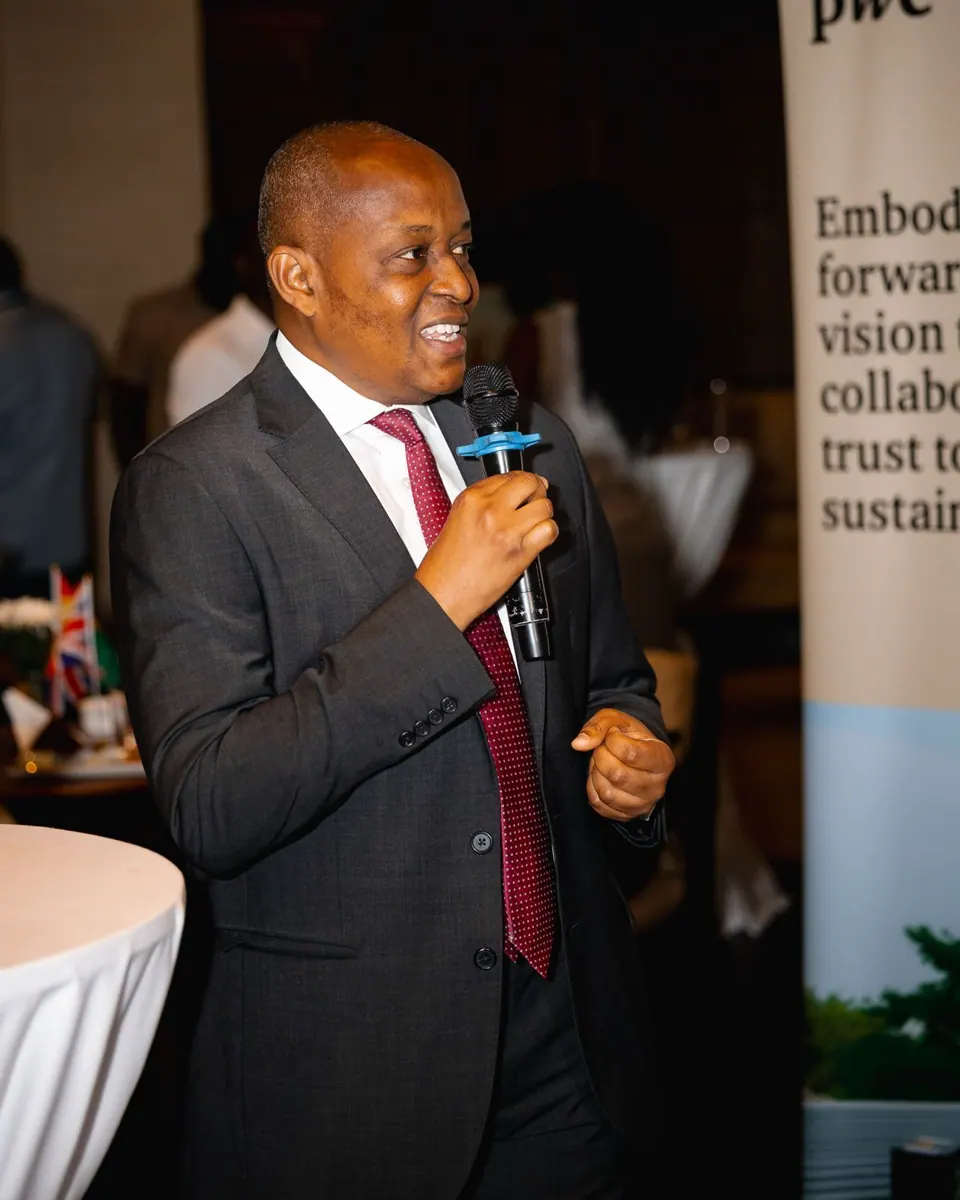
The business environment in Ghana is at a critical juncture, with the private sector poised to play a greater role in driving growth and development. According to Vish Ashiagbor, Country Senior Partner at PricewaterhouseCoopers (PwC) Ghana LTD, businesses must adapt their internal processes, relationships, and market strategies to capitalize on emerging opportunities. This call to action comes as the Ghanaian economy continues to evolve, presenting new challenges and opportunities for businesses to navigate.
Ashiagbor's comments highlight the need for businesses in Ghana to be proactive and responsive to changes in the market. With the business environment remaining positive and dynamic, companies must be willing to innovate and adjust their strategies to stay ahead of the curve. This involves not only adapting to new technologies and trends but also building strong relationships with stakeholders and partners. By doing so, businesses can position themselves for success in a rapidly changing market.
The Ghanaian economy has been experiencing significant growth in recent years, driven in part by the private sector. The country's business environment has been improving, with various initiatives aimed at promoting entrepreneurship and investment. However, challenges persist, including infrastructure deficits and regulatory hurdles. As such, businesses must be strategic and forward-thinking in their approach, identifying opportunities for growth and development while navigating the complexities of the market.
In related news, Tullow Ghana Limited has lost a tax arbitration case against the Republic, with an international tribunal dismissing the company's claims and upholding the Ghana Revenue Authority's US$393.09 million tax assessment in full. The case highlights the importance of businesses being aware of their tax obligations and ensuring compliance with relevant regulations. This development also underscores the need for businesses to engage with regulatory bodies and stakeholders in a transparent and constructive manner.
The UK-Ghana Chamber of Commerce (UKGCC) has launched the UK-Ghana Trade Resource Centre, a practical market-access platform designed to help businesses identify opportunities, navigate export requirements, and build commercial partnerships between Ghana and the United Kingdom. This initiative aims to boost UK-Ghana trade and investment relations, providing a valuable resource for businesses looking to expand their operations in the UK and Ghana.
Other business and economic developments in Ghana include MTN Ghana's health walk in Tamale, aimed at promoting physical fitness, raising awareness of non-communicable diseases, and expanding access to preventive eye care. Additionally, Advans Ghana has more than doubled its outreach to 160,000 clients over the past five years, with a predominantly female customer base. These initiatives demonstrate the private sector's commitment to driving growth, innovation, and social responsibility in Ghana.
As Ghana's business environment continues to evolve, businesses must remain agile and responsive to emerging opportunities and challenges. By adapting their strategies and building strong relationships with stakeholders, companies can position themselves for success in a rapidly changing market. With the private sector poised to play a greater role in driving growth and development, Ghana is well-positioned to capitalize on emerging opportunities and achieve sustainable economic growth.
Key points
- Businesses in Ghana must adapt their internal processes, relationships, and market strategies to take full advantage of emerging opportunities.
- The private sector is poised to play a greater role in driving growth and development in Ghana.
- The Ghanaian economy continues to evolve, presenting new challenges and opportunities for businesses to navigate.