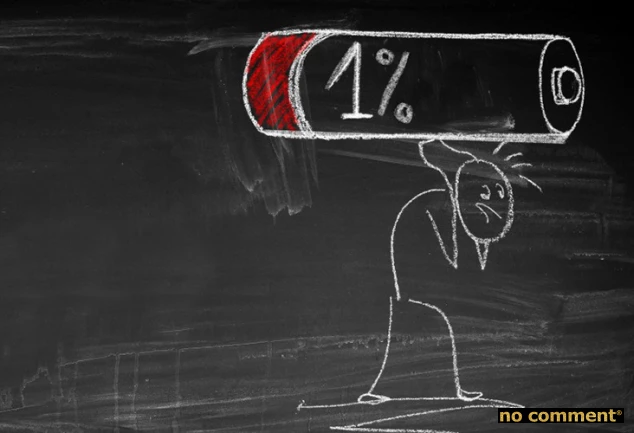
Burn-out is a state of emotional, mental, and physical exhaustion caused by prolonged stress, overwork, and lack of balance in life. In Madagascar, the culture of being busy and constantly connected can make it difficult to recognize the signs of burn-out. According to the World Health Organization (WHO), burn-out is characterized by three main facets: emotional exhaustion, cynicism, and reduced performance. It is considered a workplace phenomenon rather than a medical condition.
The signs of burn-out can be subtle at first, including chronic fatigue, irritability, and decreased motivation. However, if left unchecked, burn-out can lead to more severe symptoms such as depression, anxiety, and sleep disorders. In Madagascar, where the work culture often prioritizes long hours and dedication, it can be challenging for individuals to acknowledge their limitations and seek help. Dr. Hary Andrianjafimora emphasizes that burn-out is not a sign of weakness, but rather a signal that something needs to change.
Research has shown that burn-out can have serious consequences on both physical and mental health. A study analyzing 17 studies found that burn-out is associated with difficulties in attention, working memory, and decision-making. Furthermore, the WHO and the International Labor Organization (ILO) reported that working 55 hours or more per week is linked to an increased risk of stroke and heart disease. In Madagascar, where the work culture often demands long hours, it is essential to recognize the risks of burn-out and take proactive steps to prevent it.
Preventing burn-out requires a multifaceted approach that involves individuals, organizations, and society as a whole. Dr. Andrianjafimora suggests that individuals prioritize self-care, set realistic goals, and seek support from colleagues, friends, and family. Organizations can also play a crucial role by promoting a healthy work-life balance, providing resources for stress management, and encouraging open communication. By working together, it is possible to create a culture that values well-being and productivity.
In Madagascar, there is a growing need for awareness and education about burn-out. The media and healthcare professionals can play a vital role in promoting healthy lifestyles and providing resources for those affected by burn-out. By sharing personal stories and experiences, individuals can help reduce the stigma associated with burn-out and encourage others to seek help.
The consequences of burn-out can be severe, not only for individuals but also for organizations and society as a whole. Burn-out can lead to decreased productivity, absenteeism, and turnover, ultimately affecting the economy and overall well-being. By prioritizing prevention and support, Madagascar can mitigate the effects of burn-out and promote a healthier and more productive workforce.
As Madagascar continues to navigate the challenges of modern life, it is essential to prioritize well-being and recognize the signs of burn-out. By working together and promoting a culture of balance and self-care, individuals and organizations can reduce the risk of burn-out and promote a healthier and more productive society.
Key points
- Burn-out is a growing concern in Madagascar, where being busy is often seen as a sign of success, but it can lead to chronic stress, fatigue, and decreased productivity.